Bill Gates Warns AI Could Deepen Inequality as World Struggles to Prepare
Bill Gates says artificial intelligence could widen inequality and disrupt employment unless governments build stronger protections and institutions.

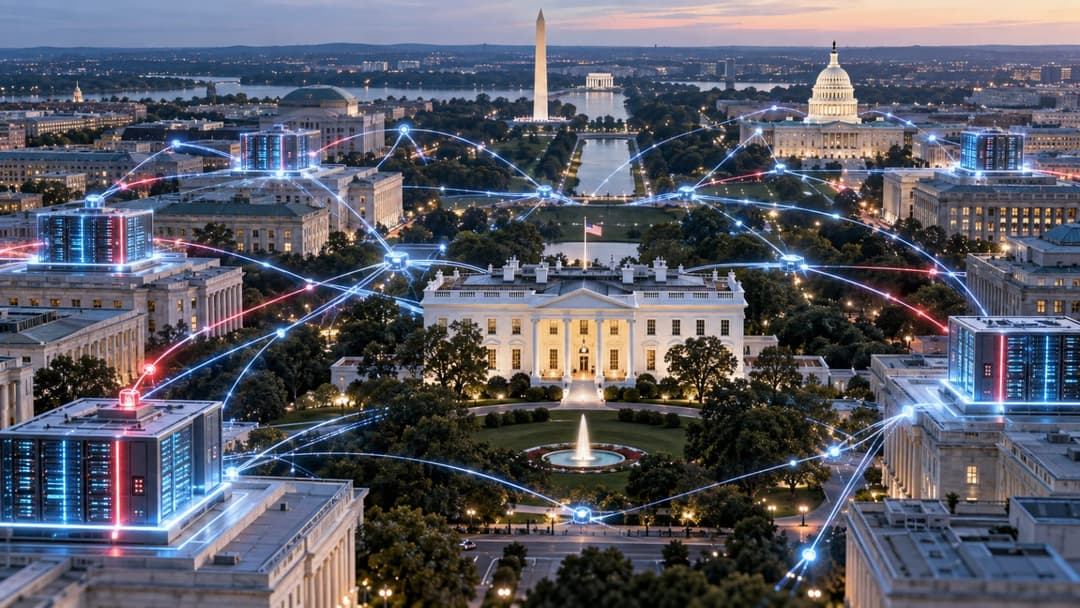
Image credit: AI-generated editorial illustration by Novexa News
WASHINGTON, August 26, 2026: Microsoft co-founder Bill Gates has issued a stark warning about the rapid expansion of artificial intelligence, arguing that governments, businesses and societies are moving into the AI era without a clear strategy for managing its economic and social consequences.
In a detailed essay published on his personal website, Gates described the coming transformation as one of the most disruptive periods in modern history. While recognising AI's enormous potential to improve productivity and expand access to services, he cautioned that the technology could also create serious challenges if its development continues without adequate safeguards and preparation.
Employment disruption is a central concern
Gates argued that the biggest concern is the impact of AI on employment. Unlike earlier technological revolutions, he said, advanced AI has the ability to perform tasks that traditionally depended on human reasoning and decision-making. This could affect a wide range of professions, including law, medicine, software development, customer services and manufacturing.
Young workers and people at the beginning of their careers could face particular difficulties as companies increasingly rely on AI systems for tasks traditionally assigned to entry-level employees. Gates also warned that the impact would eventually extend beyond office-based professions as robotics becomes more capable and affordable, potentially affecting industries such as construction and hospitality.
Rather than resisting technological progress, Gates suggested that societies should consider ways to ensure human workers continue to have meaningful opportunities. He raised the possibility of deliberately preserving certain roles for people even where machines could perform the same work more cheaply or efficiently.
Cybersecurity and critical infrastructure risks
Another major concern highlighted by Gates is the potential misuse of AI by criminals and other malicious actors. He warned that increasingly sophisticated AI tools could strengthen cyberattacks and make it easier for attackers to exploit weaknesses in critical systems.
Hospitals, financial institutions, electricity networks and water systems could all become more vulnerable if defensive technologies fail to develop at the same pace as offensive capabilities. The challenge, he suggested, is no longer simply about developing powerful AI but ensuring society can safely control how that power is used.
Effects on relationships and young people
Gates also drew attention to the less visible effects of AI on human relationships, particularly among children and young people. He expressed concern that AI chatbots designed to constantly satisfy users may encourage excessive dependence and reduce opportunities for genuine human interaction.
Meaningful relationships often involve disagreement, frustration and emotional challenges that help people develop communication and social skills. AI systems that always provide agreeable responses could potentially deprive young users of some of these experiences.
Despite his concerns, Gates did not portray artificial intelligence as an entirely negative force. He argued that AI could become a powerful tool for reducing inequality if its benefits are distributed fairly. It could expand access to education, healthcare and other essential services, particularly in communities that have historically lacked adequate resources.
Governments face pressure to prepare
The central challenge is not whether the world should embrace AI, but how it should manage the transition. Gates warned that intense competition among governments and technology companies is encouraging rapid development, leaving limited time for societies to establish effective policies and protections.
His remarks add to a growing international debate over the future of artificial intelligence, particularly its effect on employment, cybersecurity, education and human interaction. As AI systems become increasingly integrated into everyday life, governments will face mounting pressure to develop regulations that encourage innovation while protecting workers and the public.
Gates's warning ultimately points to a broader question: whether technological progress will be accompanied by equally strong investment in human skills, social protections and responsible governance. The decisions made today, he suggests, could determine whether AI becomes a tool that broadens opportunity or a force that widens existing inequalities.
Source links
Comments
No approved comments yet.