Bilawal Rejects Indian Narrative, Urges Dialogue
Pakistan Peoples Party Chairman Bilawal Bhutto-Zardari has rejected India's attempt to link Pakistan with terrorism and has urged New Delhi to return to dialogue on outstanding issues between the two countries. ##…
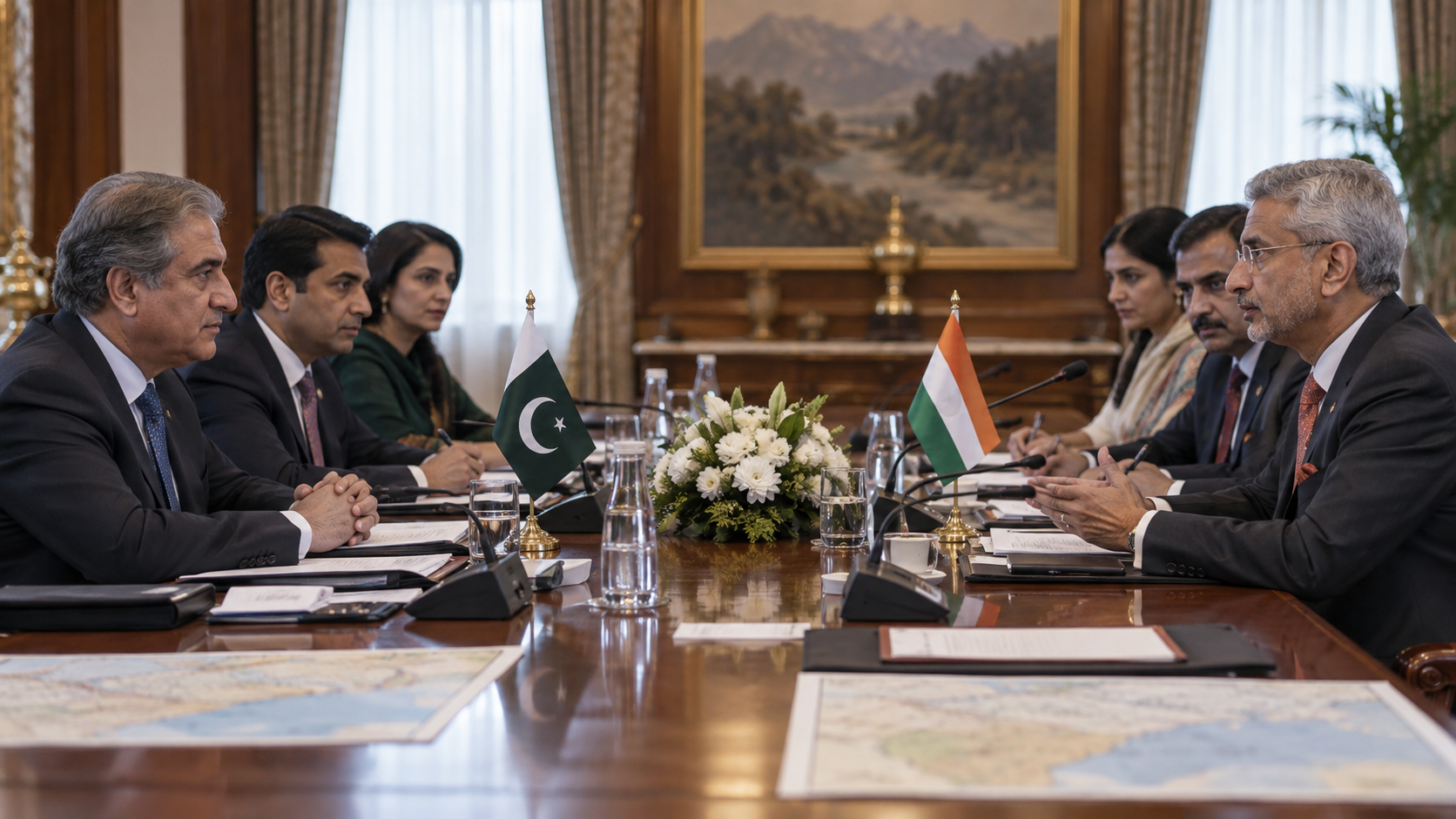
Image credit: AI-generated editorial image / Novexa News
Pakistan Peoples Party Chairman Bilawal Bhutto-Zardari has rejected India's attempt to link Pakistan with terrorism and has urged New Delhi to return to dialogue on outstanding issues between the two countries.
Response to the Indian media narrative
Bilawal made the remarks after Malaysian Prime Minister Anwar Ibrahim was asked during an Indian television interview about terrorism, the Israel-Hamas war and the Pahalgam attack in Indian-administered Kashmir. The interviewer's attempt to draw a comparison with alleged Pakistani involvement in attacks against India did not receive the endorsement New Delhi's media narrative appeared to seek.
Anwar said accusations of that kind should be based on solid evidence. He also said Malaysian intelligence had not provided information linking Pakistan to state-sponsored terrorism. Those remarks drew attention in Pakistan, where Bilawal described them as a sign that India's narrative is being watched more carefully outside the region.
Pahalgam and Pakistan's position
Pakistan has denied involvement in the April 2025 Pahalgam attack and has called for an impartial and transparent investigation. Bilawal repeated that position, saying India had failed to persuade the wider world with its claims and that the events after the attack exposed weaknesses in New Delhi's account.
The Pahalgam incident sharply worsened Pakistan-India relations. The crisis escalated in May 2025 after India struck targets in Pakistan and Azad Jammu and Kashmir. Pakistan responded militarily, and both sides exchanged strikes before a ceasefire was reached on May 10 after diplomatic intervention by the United States.
Call for dialogue
Bilawal said India should honour its ceasefire commitments and resume talks with Pakistan on all disputes. His argument was that confrontation and competing media narratives cannot provide a durable path for two nuclear-armed neighbours.
The call for dialogue reflects Islamabad's broader position that security concerns, terrorism allegations, Kashmir and other unresolved issues should be addressed through structured engagement rather than public accusation campaigns. Pakistan has repeatedly said that third-party claims should be tested through evidence and investigation.
Why Anwar Ibrahim's remarks mattered
The Malaysian prime minister's comments were significant because he avoided accepting an allegation without proof. In diplomatic terms, that distinction matters. It means that even countries with strong relationships with India may still expect evidence before endorsing claims about state responsibility.
For Pakistan, this is useful in countering an international narrative it considers one-sided. For India, it shows the limits of media-driven framing when foreign leaders are asked to comment on disputed security incidents.
Regional stakes remain high
Relations between Pakistan and India remain fragile after the 2025 confrontation. Both countries have military capabilities that make escalation dangerous, and periods of silence between the two sides often leave room for miscalculation.
Dialogue does not guarantee agreement, but it creates channels for crisis management. Without those channels, incidents such as Pahalgam can quickly become military and diplomatic crises. Bilawal's remarks were therefore aimed at shifting the debate from accusation to engagement.
What comes next
The immediate question is whether either side is prepared to reopen a structured conversation. India continues to focus on cross-border terrorism allegations, while Pakistan continues to deny the charges and demand independent investigation.
Bilawal's statement does not remove those differences, but it restates the diplomatic option. At a time when regional tensions remain high, the message from Islamabad is that peace and stability in South Asia require evidence-based discussion, respect for ceasefire commitments and a serious return to talks.
Comments
No approved comments yet.