Arab States Condemn Ben-Gvir Visit to Al-Aqsa Compound
Jordan, Saudi Arabia, Kuwait and regional bodies condemn Itamar Ben-Gvir's Al-Aqsa compound visit and warn against changing the status quo.
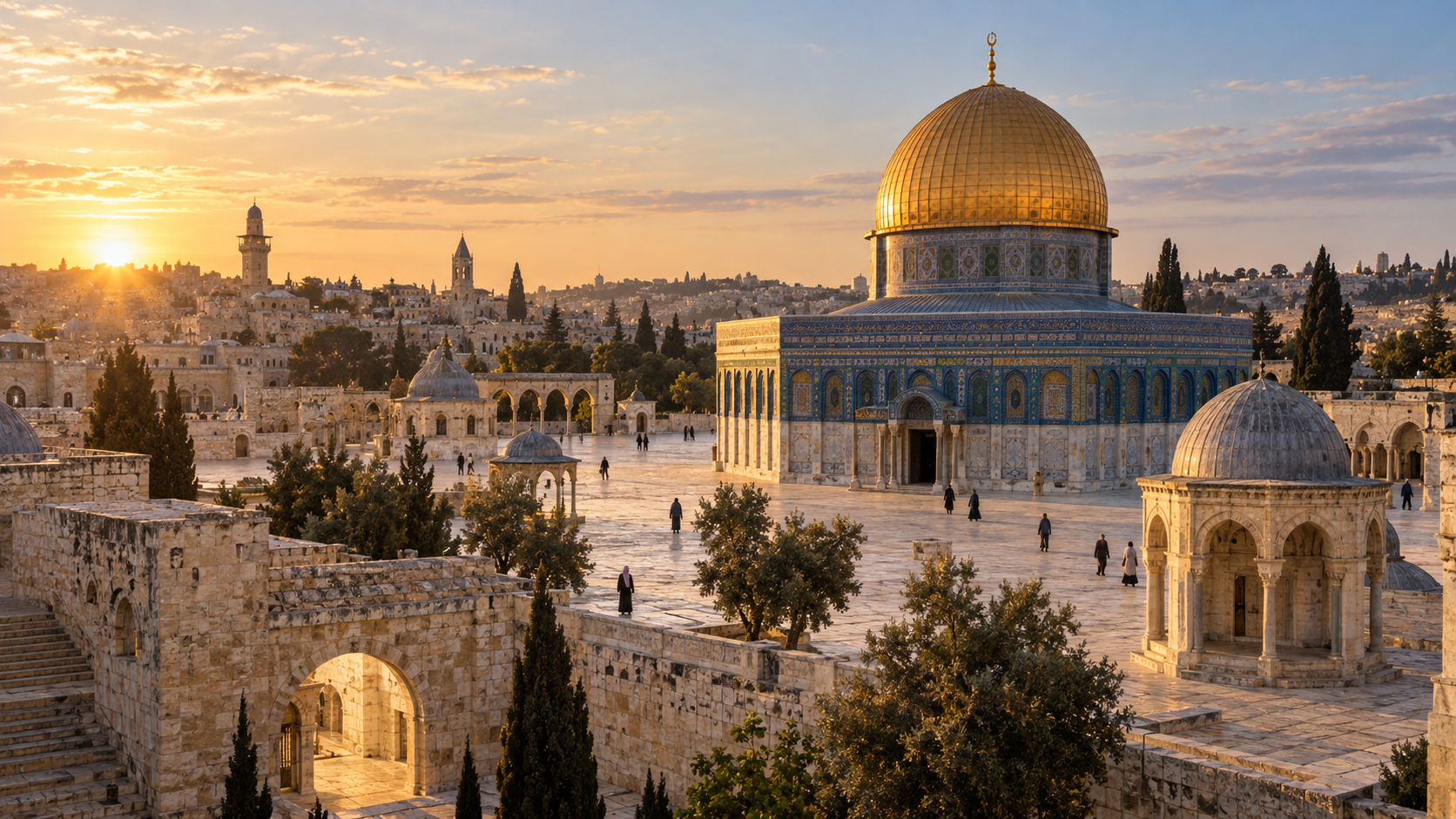
Image credit: AI-generated editorial illustration by OpenAI
Jordan, Saudi Arabia, Kuwait and other Arab and Islamic bodies have condemned Israeli National Security Minister Itamar Ben-Gvir's visit to the Al-Aqsa Mosque compound in occupied East Jerusalem, warning that repeated official visits could undermine the site's established arrangements and increase regional tension.
Ben-Gvir entered the compound with groups of Jewish visitors under Israeli police protection during the period around Yom Kippur. The site is known to Muslims as Al-Haram al-Sharif and to Jews as the Temple Mount, making any change in access or worship practices intensely sensitive.
Jordan's Foreign Ministry called the visit an unacceptable provocation and a violation of the historical and legal status quo. The Jordan News Agency, Petra, reported that Amman also rejected attempts to establish a temporal or spatial division of the compound.
Israel says it remains committed to the status quo. Under the longstanding arrangement, the Jordan-linked Islamic Waqf administers the compound, while Israeli police control external security. Non-Muslims may visit during specified periods but prayer by Jewish visitors has traditionally been restricted, though enforcement and political rhetoric have changed over time.
Jordan stresses custodial role
Jordan said the entire 144-dunum compound is a Muslim place of worship and that the Jerusalem Awqaf and Al-Aqsa Mosque Affairs Administration is the legal authority responsible for its management and access arrangements.
Amman also said Israel has no sovereignty over occupied East Jerusalem or its Muslim and Christian holy sites. Israel captured East Jerusalem in 1967 and later annexed it in a move not recognised by most of the international community.
The Hashemite custodianship gives Jordan a direct diplomatic role at the site. Visits by senior Israeli officials can therefore become disputes not only with Palestinians but also with a neighbouring state that has a peace treaty with Israel.
A Jordanian royal committee later criticised activity involving Prime Minister Benjamin Netanyahu, Ben-Gvir and other visitors around the Old City, the Western Wall and Al-Aqsa. Petra reported the committee's warning against unilateral changes to Jerusalem's identity.
Saudi and Kuwaiti statements
Saudi Arabia renewed its rejection of what it called provocative and unlawful actions by Israeli officials against Palestinians and holy sites. It urged the international community to act against violations of international law and international humanitarian law.
Kuwait also condemned the visit and restated its support for a Palestinian state on the 1967 borders with East Jerusalem as its capital. The Gulf Cooperation Council and Muslim World League issued related criticism, according to a Petra summary of regional reactions.
Qatar had separately condemned continuing settler entries into the compound, saying unilateral action threatened calm and regional stability. These statements reflect a shared concern even among governments with different relationships with Israel.
The Arab League also denounced the latest visit and called for respect for Jordan's custodial role. Its statement linked the Al-Aqsa dispute with restrictions and raids elsewhere in the occupied West Bank.
Netanyahu and Hamas statements
Hamas criticised Netanyahu over his reported presence at the Western Wall and nearby tunnel and excavation areas. The group described the activity as an attempt to alter the identity and status of Al-Aqsa.
The Western Wall is adjacent to the compound and is Judaism's holiest prayer site. Israeli officials reject claims that visits there establish control over the Muslim-administered sanctuary above. The physical proximity, archaeological disputes and competing national narratives nevertheless make activity around the wall politically charged.
Al Jazeera reported the latest visits and Palestinian criticism during the Jewish holiday period.
Descriptions of people entering the site vary sharply by source. Israeli accounts commonly refer to visitors, while Palestinian and Arab statements often use terms such as settlers or incursions. This report attributes those positions and focuses on the confirmed presence of the minister and the diplomatic response.
Al-Aqsa has repeatedly become a flashpoint because a seemingly limited action can be interpreted as evidence of a permanent policy change. Clear enforcement of agreed access rules and communication with the Waqf are essential to preventing rumours and confrontation.
The latest condemnations do not by themselves change conditions at the compound, but they raise the diplomatic cost of further official visits. With world leaders gathering for the UN General Assembly, Jerusalem's holy sites are likely to remain part of wider discussions on Palestinian rights, regional stability and a future political settlement.
Source links
Comments
No approved comments yet.