Young Protesters Explain Why India’s Streets Are Filling With Anger
Across India, a new wave of protest is being shaped not just by slogans or party politics, but by the voices of younger demonstrators saying they have run out of patience. In reporting from The New York Times, several…

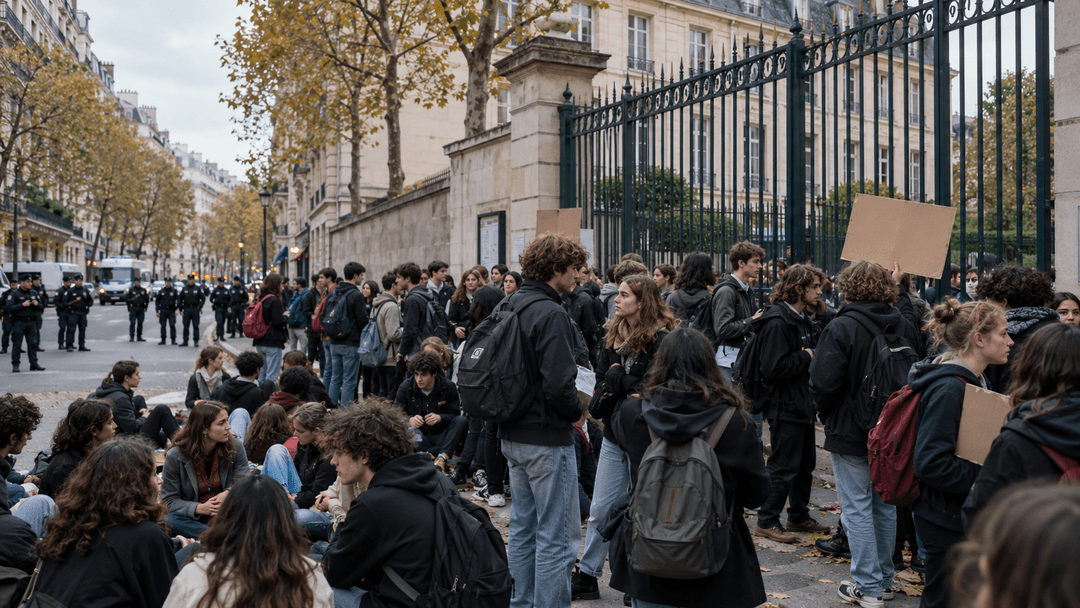
Across India, a new wave of protest is being shaped not just by slogans or party politics, but by the voices of younger demonstrators saying they have run out of patience. In reporting from The New York Times, several young people describe anger, frustration and a desire to be heard as they join a movement now testing Prime Minister Narendra Modi’s government. What stands out in this moment is not only the scale of the public anger, but who is expressing it. Young Indians have been central to many recent political movements around the world, and this one appears no different: students, first-time activists and other young adults are stepping into the streets to press their concerns and make their dissatisfaction visible. The specific grievances vary, but the broader picture is familiar. Protesters say they feel ignored, constrained or shut out of the decisions shaping their future. For many in this generation, the demonstrations are about more than a single issue. They reflect a wider sense that opportunities are limited and that official channels are not delivering answers quickly enough. That matters in a country as large and politically consequential as India. Protests there often become a test of both public patience and government response, especially when they gather momentum among younger people who are more willing to challenge the status quo in public. When a movement attracts that kind of energy, it can become a signal of deeper discontent, not just a temporary burst of street politics. The New York Times report suggests that the protests are also personal. Some of the young demonstrators are speaking openly about the emotions behind their decision to join in, including frustration with how long they have waited for change and how little control they feel they have over their own circumstances. That personal dimension can give a protest movement staying power, because it is rooted in lived experience rather than only in party organizing. At the same time, the full shape of the movement remains unclear from the available details. The source report does not identify a single trigger, nor does it spell out how large the demonstrations are, how widely they are spreading or how the government is responding day to day. What is clear is that the protests have become significant enough to draw national attention and to put pressure on Modi’s administration. For readers watching India, the key question is whether this is a passing surge of anger or the start of a broader generational challenge. Young protesters often bring visibility and urgency to a movement, but they also face an uneven path: sustaining momentum, building leadership and translating street energy into lasting political change. For now, the story is less about a single rally than about a mood. The young people speaking to The New York Times are helping explain why they are out there, and their answers point to a deeper unease that extends beyond one protest or one policy fight. In that sense, the demonstrations may be as much a referendum on whether India’s political system is responding to younger citizens as they are on any immediate issue in the streets.
Source: New York Times World - https://www.nytimes.com/2026/07/25/world/asia/india-protests-profiles.html
Image credit: Photo by Nothing Ahead on Pexels - https://www.pexels.com/photo/old-paper-map-with-continents-and-oceans-6564830/
Comments
No approved comments yet.