WHO Urges Faster Community Response to DRC Ebola
WHO and Africa CDC are calling for faster detection, contact follow-up and community-led action as the Ebola response in the DRC faces severe pressure.
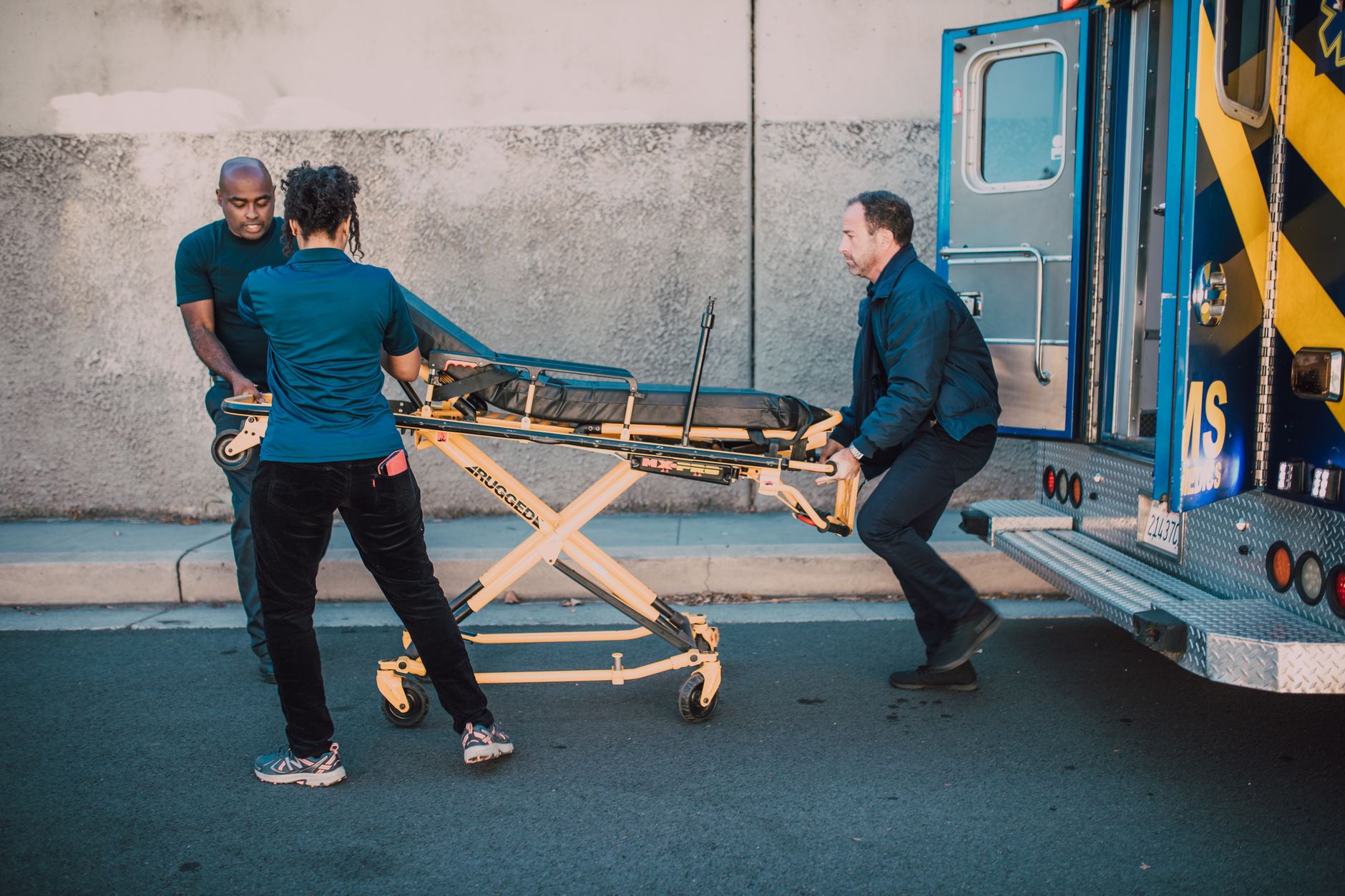
Image credit: Photo by RDNE Stock project on Pexels
The DRC Ebola response needs faster detection, stronger contact follow-up and deeper community involvement as transmission places growing pressure on health services, according to a joint assessment from the World Health Organization and Africa Centres for Disease Control and Prevention.
The organisations issued their call after a high-level mission to Uganda and the Democratic Republic of the Congo on August 4 and 5. The delegation visited Kampala, Bunia and Kinshasa, meeting national and provincial officials, health workers, response coordinators and community representatives.
DRC Ebola response faces operational gaps
WHO and Africa CDC said the mission identified delayed case detection, limited access to care, shortages of essential supplies and insufficient support for frontline teams. Insecurity, difficult roads, population movement and misinformation are also complicating work in affected communities.
The official update reported 3,973 confirmed cases and 1,801 deaths in the DRC as of August 4, with 776 recoveries across 51 health zones in five provinces. Those figures are a dated snapshot and may change as surveillance records are updated.
Ituri Province accounted for nearly 90 percent of confirmed cases, with Bunia, Rwampara and Mongbwalu among the most affected health zones. Treatment-centre occupancy in North Kivu had reached 139 percent, indicating that demand had exceeded ordinary bed capacity.
Contact follow-up stood at 75 percent. The agencies said the operational target should be at least 95 percent so response teams can identify transmission chains and detect illness among known contacts more quickly.
Uganda's containment offers practical lessons
The mission also reviewed Uganda's experience after the country declared the end of its outbreak on July 28. Uganda recorded 20 confirmed cases and two deaths, while all listed contacts completed their follow-up periods.
WHO and Africa CDC pointed to early detection, rapid tracing, coordinated national action, trusted communication and cross-border surveillance as important parts of that outcome. They cautioned that preparedness must continue because transmission in the neighbouring DRC still creates regional risk.
The contrast between the two responses does not mean the countries face identical conditions. Eastern DRC has significant security and access challenges that can delay testing, referrals and treatment. The lesson is that basic response systems work best when communities trust them and teams can reach people quickly.
Why community trust matters
Ebola control depends on people recognising symptoms, reporting concerns early and seeking care without fear. Community, religious, women and youth leaders can help explain response measures and address rumours in language that residents understand.
The agencies said communities should participate in surveillance, referrals, treatment decisions and safe, dignified burials. These measures are medically important but can fail when imposed without trust or sensitivity to local practices.
The response priorities include expanding laboratory, ambulance and treatment capacity; protecting and paying frontline workers on time; maintaining routine health services; and improving access to areas affected by insecurity. WHO and Africa CDC also called for committed financing to reach frontline operations without delay.
What happens next
The organisations continue to advise against unnecessary travel or trade restrictions. Their recommendation is for neighbouring countries to strengthen surveillance, laboratory readiness and cross-border coordination instead.
The most important indicators will be whether contact follow-up approaches the 95 percent target, whether treatment occupancy falls and whether new cases are linked to known transmission chains. Updated official outbreak reports should be used for current figures.
The joint mission's conclusion is direct: medical capacity matters, but communities must remain at the centre of the response. The agencies also emphasised maintaining essential health services while the emergency continues, including care unrelated to Ebola. Faster resources, reliable information and supported health workers will determine whether authorities can interrupt transmission.
Source links
Comments
No approved comments yet.