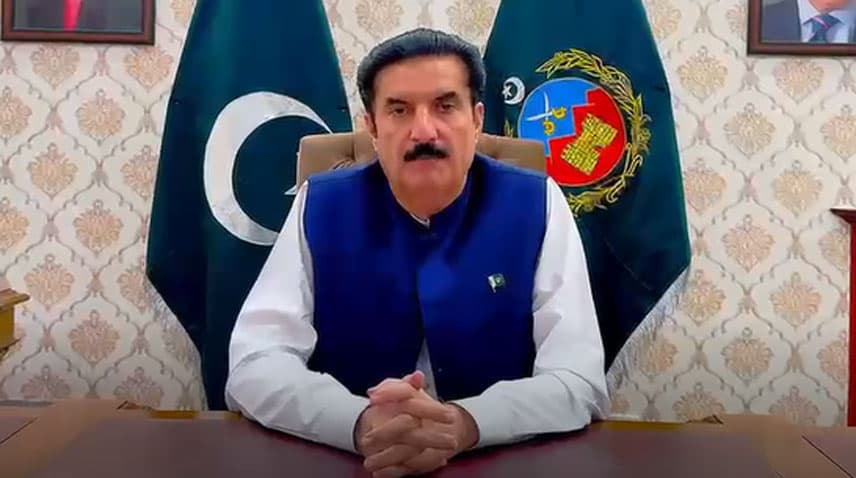
US Treasury Chief Bessent Praises Pakistan's Economic Reform Push
US Treasury Secretary Scott Bessent met Finance Minister Muhammad Aurangzeb and welcomed Pakistan's progress on economic reforms and its path back to international capital markets.
A meeting between two finance chiefs in Washington carried real symbolic weight this week, as US Treasury Secretary Scott Bessent used a sit-down with Pakistan's Finance Minister Muhammad Aurangzeb to publicly welcome the country's economic reform progress.
What Was Said
Bessent met Aurangzeb and offered praise for Pakistan's progress in implementing economic reforms, along with the groundwork Islamabad has been laying for a return to international capital markets. That kind of endorsement from a sitting US Treasury Secretary is not just diplomatic courtesy, it is a signal international investors and credit rating agencies pay attention to when assessing whether a country's reform commitments are being taken seriously by major economic powers.
Why "Return To Capital Markets" Matters So Much
Pakistan has spent recent years largely locked out of affordable international bond markets, relying instead on multilateral lenders like the IMF and bilateral support from allies to manage its external financing needs. A credible path back to issuing eurobonds or other international debt on reasonable terms would mark a meaningful shift, reducing Pakistan's dependence on emergency-style multilateral lending and giving Islamabad more room to manage its own fiscal calendar. Bessent's comments suggest Washington sees that path as increasingly plausible, which matters both practically and as a confidence signal to other potential lenders and investors.
The Reform Track Record Behind The Praise
Getting this kind of acknowledgment from a US Treasury Secretary typically follows a sustained period of policy commitments, fiscal consolidation efforts, tax base broadening, energy sector reforms and the kind of structural changes international lenders have pushed Pakistan toward for years, often amid real domestic political difficulty. Aurangzeb, as finance minister, has been the face of that reform push internationally, and this meeting effectively puts a US stamp of approval on the direction, if not yet the full completion, of that effort.
Why This Matters Beyond One Meeting
Diplomatic praise alone does not lower Pakistan's borrowing costs or attract capital inflows on its own, but it does shape the broader narrative international investors use when deciding whether Pakistan is a credible destination for capital again. Coming from the US Treasury specifically, rather than just multilateral institutions Pakistan already works closely with, this kind of endorsement carries extra weight in Western financial circles. Whether it translates into actual market access on favorable terms will depend on Pakistan sustaining the reform pace that earned the praise in the first place, rather than treating the meeting itself as the finish line.
Rating agencies and institutional investors tend to move cautiously even after positive diplomatic signals like this one, waiting for a track record of consistent policy delivery rather than reacting to a single meeting alone. For Aurangzeb, the challenge going forward is translating this kind of high-level goodwill into concrete outcomes, whether that means an improved credit outlook, renewed interest from international bond investors, or further multilateral support that reinforces rather than substitutes for a genuine return to market-based financing. Islamabad's own financial officials know that reputational goodwill fades quickly if delivery falters, which is exactly why sustaining this momentum matters more than the meeting itself.
Comments
No approved comments yet.