US Strikes Hit Iran's Qeshm Island as Civilian Toll Emerges
Strikes on Iran's Qeshm Island damaged civilian and military sites, with Iranian reports saying a family was killed in a residential building.
A wave of United States strikes caused extensive damage on Iran's Qeshm Island, according to footage and accounts carried by regional media, as conflicting early reports gave way to claims of civilian deaths. The island's location in the Strait of Hormuz gives any attack there significance beyond the immediate blast sites.
Iranian media reported that a couple and their two-year-old child were killed when a residential building was hit. Earlier accounts had described injuries, illustrating how casualty information can change during the first hours after an attack. The deaths were reported by Iranian outlets and should be understood as attributed claims while independent access to affected areas remains limited.
What was targeted on Qeshm
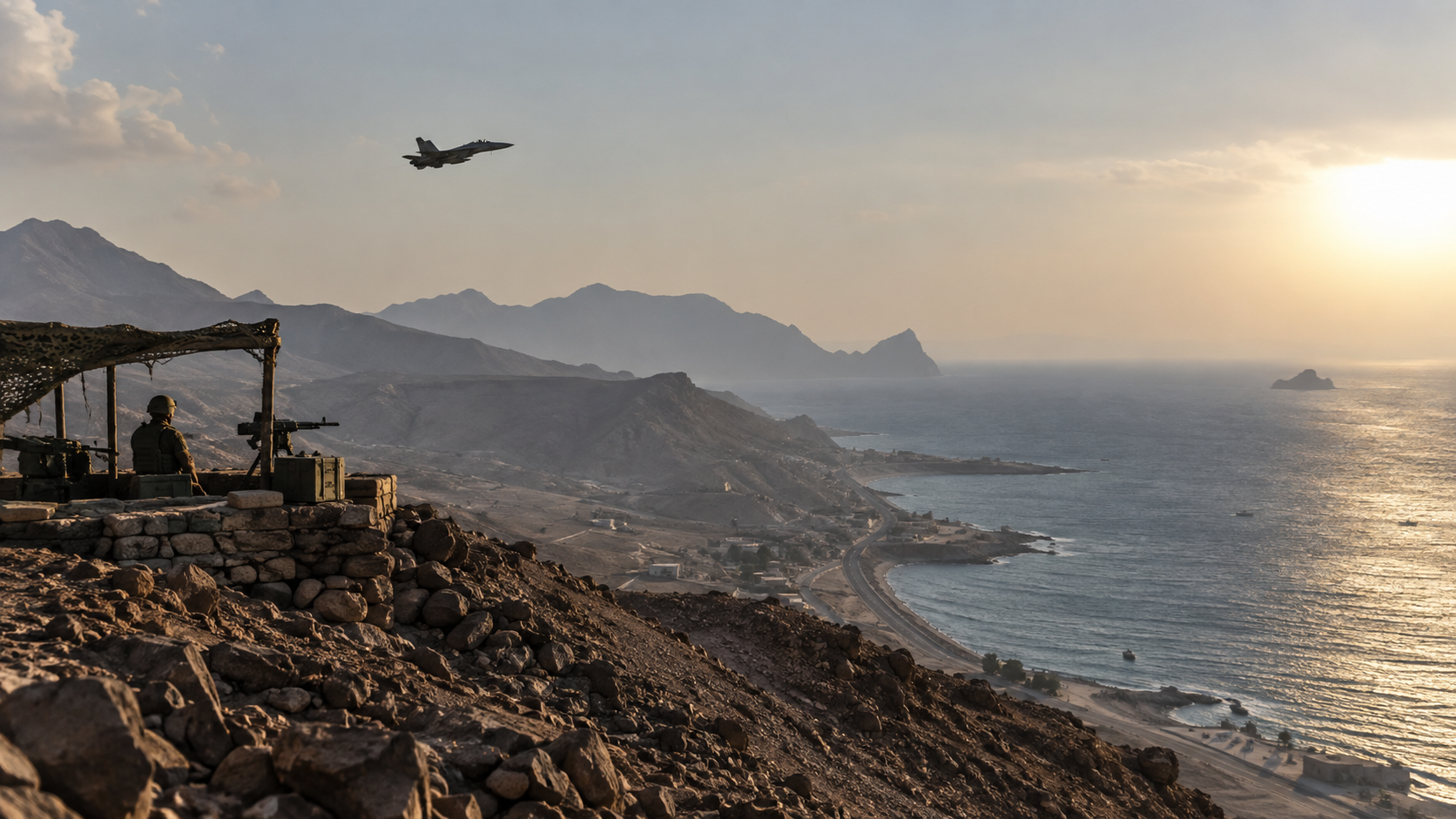
The US military said a broader operation struck command facilities, missile and drone infrastructure, coastal surveillance systems, air defenses and maritime targets linked to Iran's Islamic Revolutionary Guard Corps. Qeshm was one of several locations in southern Iran mentioned during reporting on the operation.
Iranian media also reported that three Revolutionary Guard personnel were killed at another site. Images from Qeshm showed damaged structures and smoke, but visual material alone cannot establish the complete target list or confirm every casualty claim.
Qeshm is a populated island with ports, businesses and residential areas as well as a strategically important position near one of the world's busiest energy routes. That mixture increases the risk to civilians when military sites or surveillance systems are attacked near communities.
Why the island matters
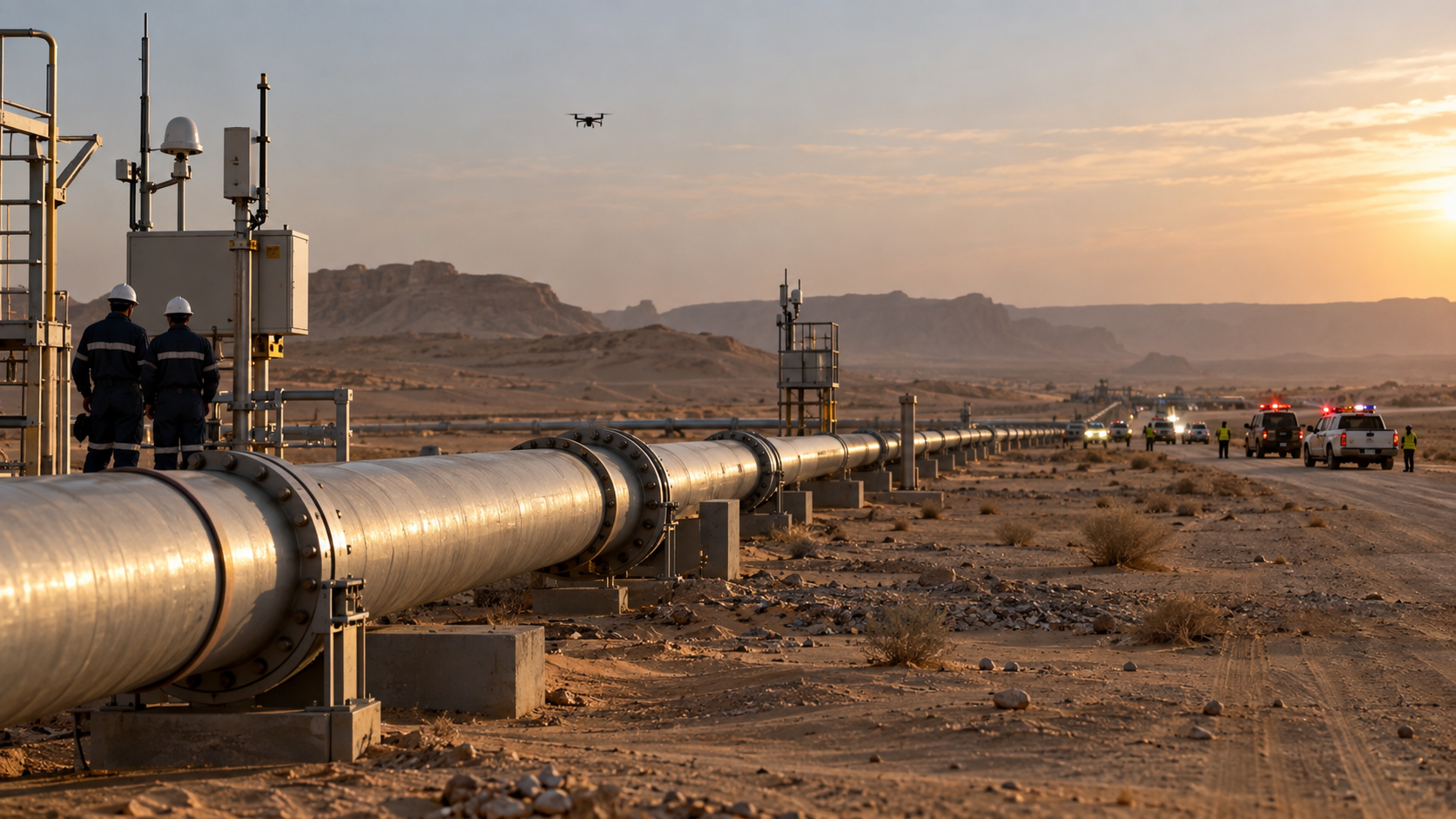
The Strait of Hormuz connects Gulf producers with international markets. A significant share of globally traded oil passes through the waterway, making security incidents around Qeshm closely watched by governments, shipping companies and insurers.
Damage to coastal military infrastructure can alter Iran's monitoring capacity, but an attack can also increase uncertainty for commercial vessels. Shipping risk is influenced not only by whether a port is directly damaged, but by the possibility of retaliation, navigation restrictions, electronic interference or higher insurance costs.
The Qeshm Island strikes were part of a larger US response following an attack on an American base in Jordan that Washington attributed to Iran. Tehran has disputed or framed elements of US accounts during the wider confrontation. Each side's military statements serve an operational and political purpose, so claims about targets destroyed or intentions achieved require corroboration.
Civilian harm remains the critical question
International humanitarian law requires parties to distinguish military objectives from civilians and civilian objects and to take feasible precautions. The presence of a military facility in a populated area does not remove those obligations. At the same time, determining whether a particular strike complied with the law requires information about the target, expected military advantage, weapons used and precautions taken.
The reported death of a young family has therefore become one of the most consequential elements of the Qeshm account. It moves the story beyond a list of military targets and raises questions about where the strike landed, what warning was available and whether the residence was the intended object.
What remains unconfirmed
An authoritative public damage assessment was not immediately available. The number of affected buildings, the status of local services and the full civilian toll may change as rescue teams inspect the area. Claims circulated through official and state-aligned channels should not be treated as independently established simply because they are repeated widely.
The clearest verified outline is that US forces conducted a broad strike operation in southern Iran, Qeshm sustained visible damage, and Iranian reports described civilian and military deaths. Further confirmation from hospitals, local authorities, satellite imagery or independent reporters will be needed to establish the complete impact.
For residents, the immediate concerns are rescue work and safety. For the wider region, the Qeshm strikes add another source of pressure around the Strait of Hormuz, where a local attack can rapidly produce consequences for diplomacy, shipping and energy markets.
Source links
Comments
No approved comments yet.