US Launches Broad Strikes on Iran After Attack on Jordan Base
The United States carried out a two-hour wave of strikes against Iranian military targets after an attack on an American base in Jordan.
The United States carried out a broad wave of strikes against targets in Iran after Washington blamed Tehran for an attack on an American military base in Jordan. The operation marked a serious escalation in a confrontation already affecting regional security, shipping and diplomatic efforts.
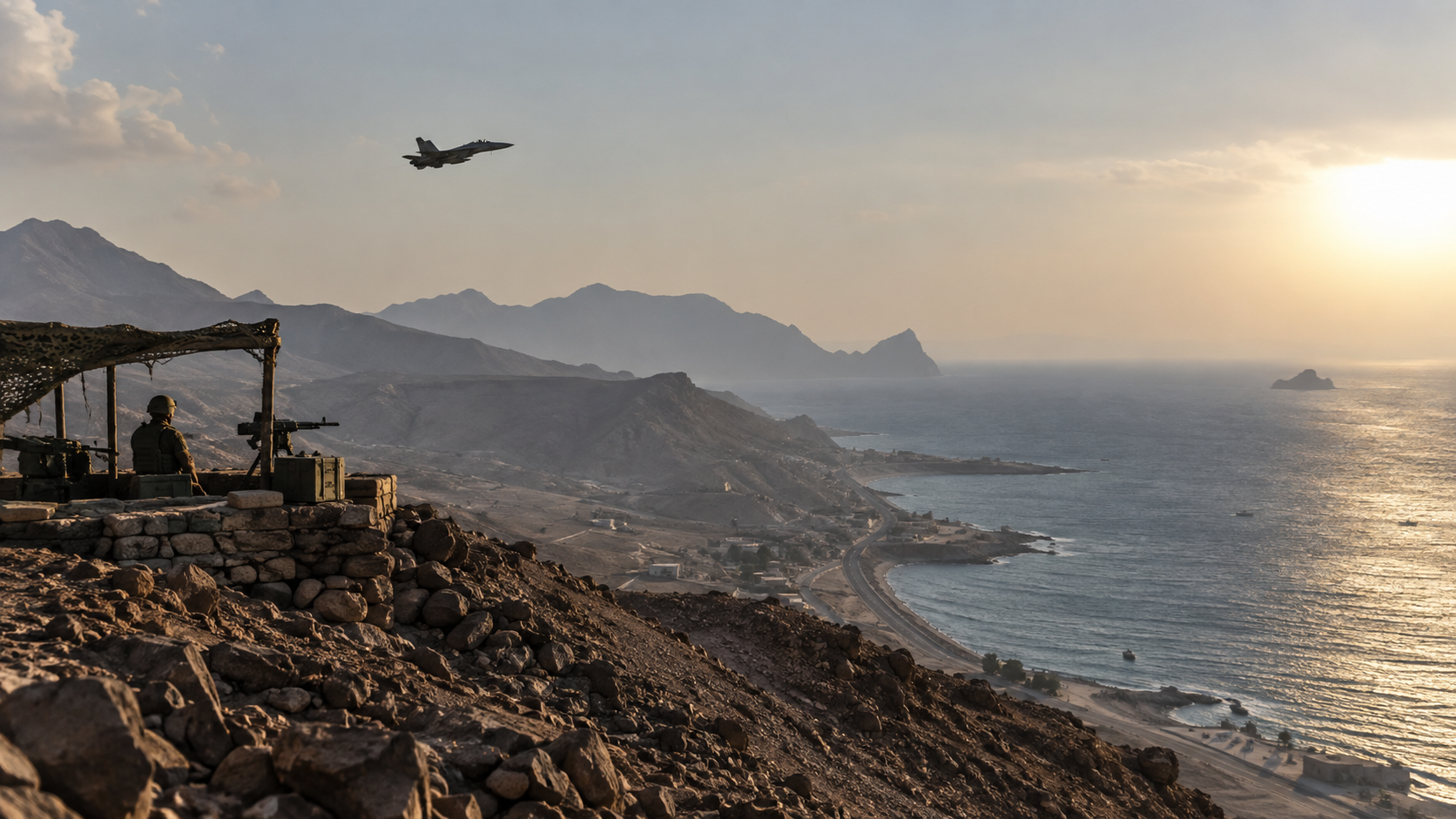
US Central Command said the strikes lasted more than two hours and hit dozens of sites associated with Iran's Islamic Revolutionary Guard Corps. Its target list included command centers, missile and drone facilities, coastal surveillance and air-defense systems, and maritime assets.
Iranian media reported explosions and casualties in several southern locations, including Qeshm, Ahvaz, Abadan, Bushehr and Fars. Because access was restricted and reports emerged during an active military operation, the complete number of casualties and the extent of damage were not immediately independently verified.
Washington links operation to Jordan attack
US officials presented the action as a response to the strike on the American base in Jordan. The attribution is central to Washington's justification, but public military statements do not by themselves provide all the intelligence used to assign responsibility.
The scale of the response suggested that the United States intended to damage more than the unit believed to have carried out the Jordan attack. By targeting command, missile, drone and coastal systems, the operation addressed Iran's ability to coordinate further attacks and monitor strategically important waters.
US and Saudi operations had also targeted Iran-backed armed groups in Iraq. Reports said 20 fighters and six Iranian advisers were killed in those attacks. Those figures came from reporting during a rapidly changing conflict and may be revised as authorities release further information.
Risk spreads beyond military sites
The strikes created immediate dangers for civilians near targeted facilities. Iranian media later reported civilian deaths on Qeshm Island after a residential building was hit. That incident is covered separately by Novexa News because the civilian impact requires its own careful assessment.
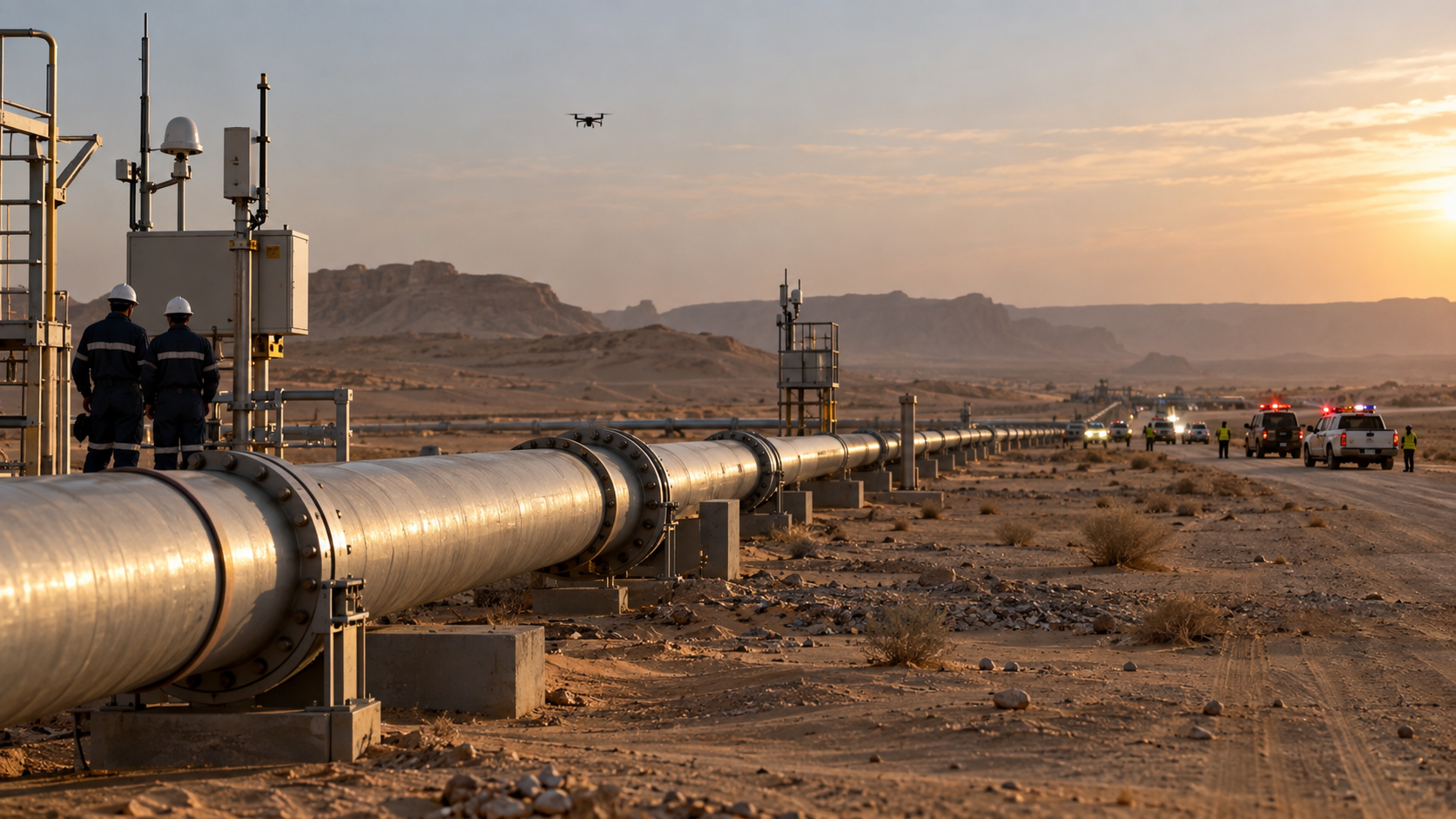
The wider consequences extend to commercial shipping. Coastal surveillance and maritime targets sit near routes used by oil tankers and cargo vessels. Even when merchant ships are not directly attacked, escalation can lead to rerouting, port delays and higher insurance premiums.
Reports of drone-related fires on vessels near Egypt's Damietta added to the uncertainty, although responsibility for those incidents was not immediately clear and no injuries were reported. It is important not to assign blame without evidence connecting those events to the same operation.
What international law requires
Any use of force raises questions under international law, including the legal basis claimed by the attacking state and the duties to distinguish military targets from civilians. Washington described the strikes as a response to an attack on its forces. Iran was expected to challenge that account and the proportionality of the operation.
A legal assessment requires more than competing official statements. It depends on the facts of the Jordan attack, evidence of attribution, the immediacy of any continuing threat and the selection of targets. Civilian harm must also be investigated.
Diplomacy becomes harder
Military action can be designed to deter another strike, but it can also produce retaliation. Governments across the region therefore faced pressure to prevent a cycle in which each response becomes the reason for the next operation.
The practical indicators to watch include any Iranian military response, changes to US force protection, shipping advisories and communication through intermediaries. Verified casualty assessments will also shape the diplomatic reaction.
The US strikes on Iran were substantial in duration and target range. What they achieved cannot be measured only by the number of sites hit. The longer test is whether the operation reduces attacks on American personnel or deepens a conflict whose costs are already reaching civilians and regional trade.
Source links
Comments
No approved comments yet.