Trump Claims Russia-Ukraine Energy Truce, but No Deal Is Confirmed
Donald Trump says Russia and Ukraine agreed to halt attacks on energy infrastructure, but neither side confirmed a mutual deal and strikes continued.
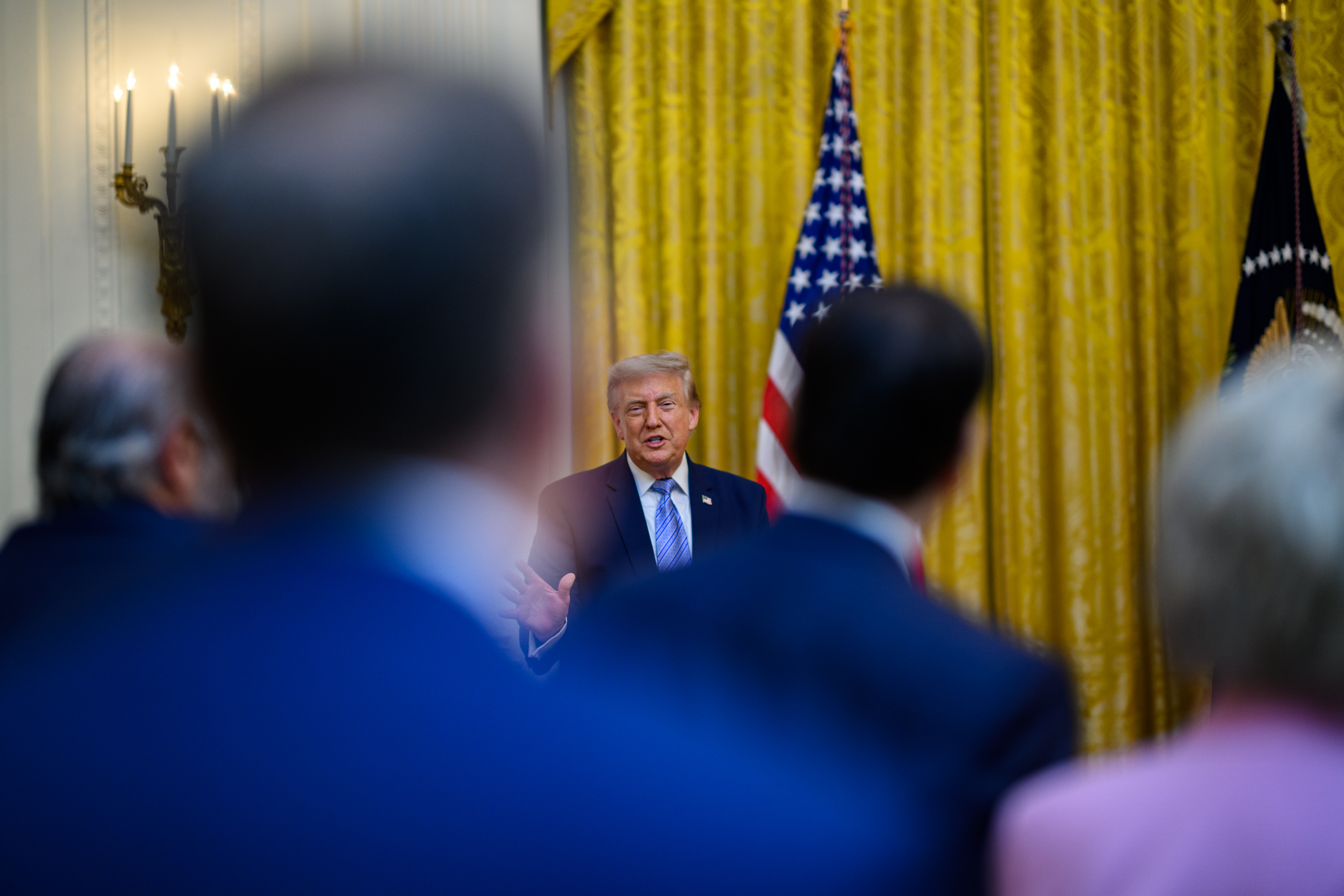
Image credit: Daniel Torok / The White House, via Wikimedia Commons. Public domain. File photo, July 16, 2026.
WASHINGTON, September 15, 2026: US President Donald Trump said Russia and Ukraine had agreed not to attack each other's energy infrastructure, but subsequent statements from Kyiv and Moscow stopped short of confirming that a mutual agreement was in force.
Trump made the claim Monday on Truth Social without providing terms, a start date or a monitoring mechanism. His announcement followed public criticism of Ukrainian strikes on Russian oil refineries, which he linked to shortages and higher global diesel prices.
Ukrainian President Volodymyr Zelenskyy said Kyiv was prepared to halt such attacks if its partners could secure a genuine Russian commitment to stop striking Ukraine's electricity system, energy facilities, critical infrastructure and food-supply routes.
That response described a conditional proposal, not confirmation that both sides had accepted an operational ceasefire. Russia did not immediately confirm Trump's account, according to the Associated Press.
Strikes Continue After the Claim
By Tuesday, Zelenskyy said Russian attacks on Ukraine's energy sector, logistics and other critical infrastructure had continued. He said Ukraine responded by striking an oil refinery in Syzran, western Russia.
The Kremlin described the idea of an energy-infrastructure ceasefire as positive, but did not announce a completed mutual pact. Kremlin spokesman Dmitry Peskov also disputed Trump's explanation of global fuel pressures, arguing that restrictions on Russian exports, tanker navigation and sanctions were central factors.
The continued attacks demonstrated that Trump's post had not yet produced a verifiable halt. Previous attempts to establish limited ceasefires have also broken down amid disputes over their scope and alleged violations.
Energy Sites Remain Central to the War
Ukraine has intensified long-range strikes on Russian refineries in an effort to reduce revenue and disrupt fuel supplies used by Moscow's war effort. Russia, meanwhile, has repeatedly attacked Ukrainian power generation and distribution infrastructure, causing outages and damage to essential services.
S&P Global Energy reported that almost half of Russia's primary refining capacity was offline at the end of August. It also noted that Russia had restricted diesel and other fuel exports, while Middle East supply disruptions, depleted stocks, refinery maintenance and seasonal demand were also tightening global markets.
Those factors make it difficult to attribute the rise in diesel prices to a single conflict or set of strikes. Both the war in Ukraine and disruption to Middle Eastern oil flows have affected supply, with their relative impact varying by product and market.
A Proposal Still Awaiting Terms
A reciprocal halt on attacks against energy infrastructure could reduce damage to civilian services and ease one source of market risk. For it to become a functioning agreement, however, Russia and Ukraine would need to accept common terms and show that their forces were observing them.
As of Tuesday, the public record supported describing Trump's announcement as a claim or proposal rather than a confirmed truce. The continuing strikes and the conditional language from Kyiv left implementation unresolved.
Source links
Comments
No approved comments yet.