Dar: Peace, Stability Only Possible by Eliminating Terrorism From Afghanistan
Pakistan's deputy prime minister used a major regional security forum to deliver a pointed message about the source of instability he believes continues to threaten the entire region. H2: What Dar Told The SCO Speaking
Pakistan's deputy prime minister used a major regional security forum to deliver a pointed message about the source of instability he believes continues to threaten the entire region.
What Dar Told The SCO
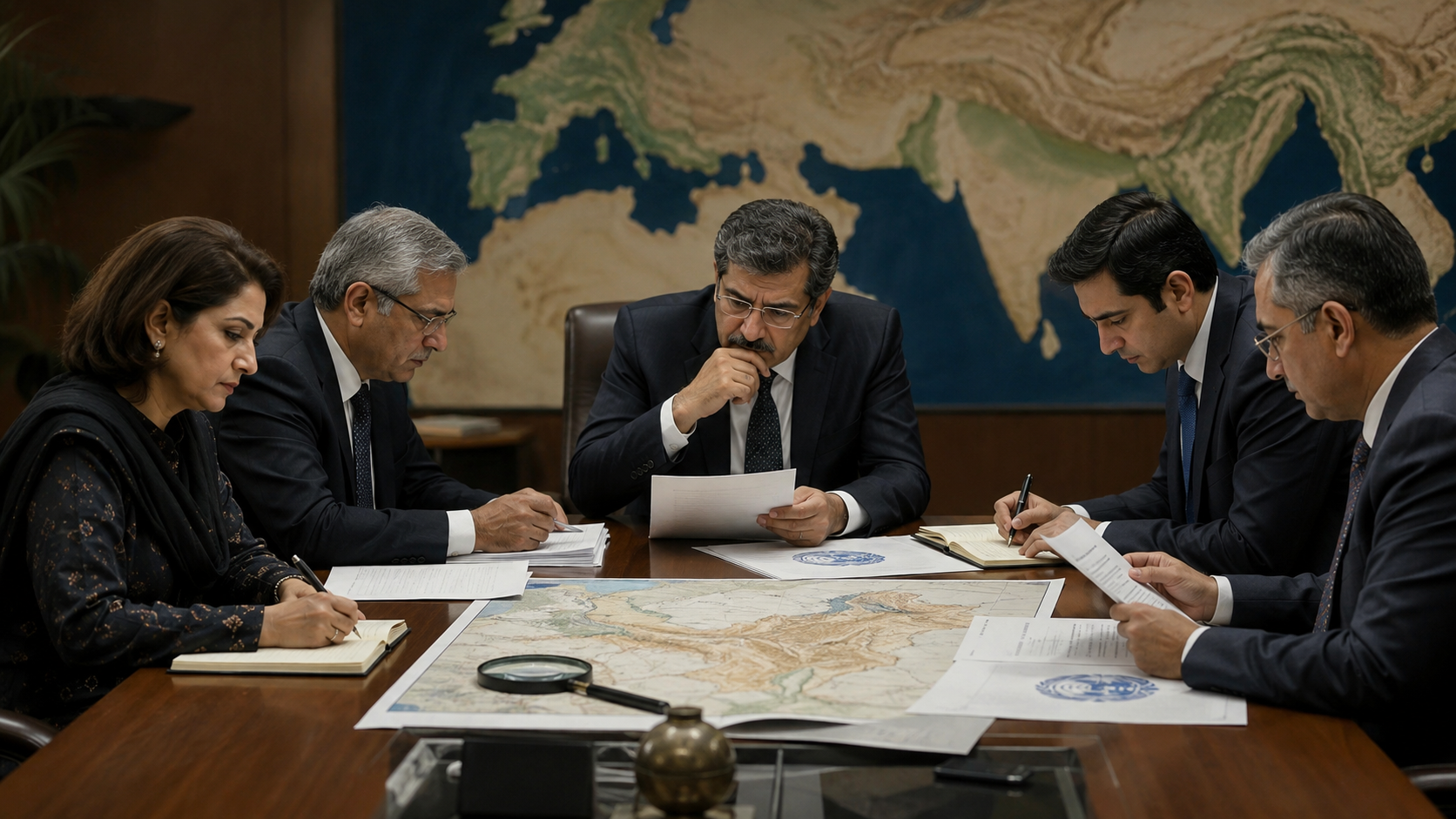
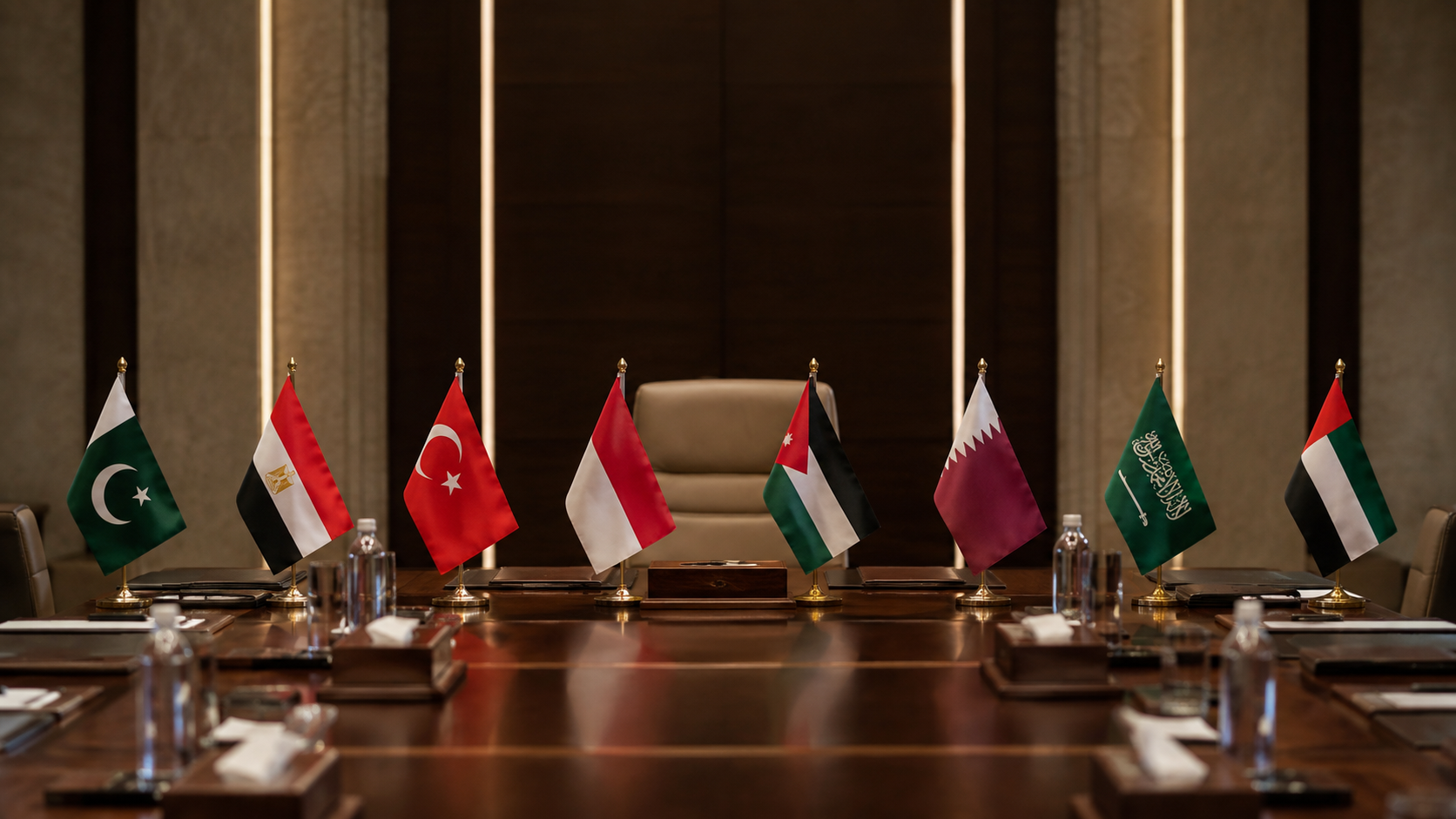
Speaking at a Shanghai Cooperation Organisation meeting, Deputy Prime Minister and Foreign Minister Ishaq Dar said durable peace and stability in the region can only be achieved by eliminating the threat of terrorism emanating from neighbouring Afghanistan. Choosing the SCO platform specifically for this message matters, since the organisation brings together major regional powers, including China, Russia and Central Asian states, giving Dar's comments an audience well beyond Pakistan's immediate bilateral relationship with Kabul.
The Longstanding Afghanistan-Pakistan Security Dispute
Pakistan has repeatedly accused militant groups operating from Afghan territory of launching attacks across the border, a grievance that has strained Islamabad's relationship with the Afghan Taliban government despite Pakistan's own historical role in supporting Taliban forces prior to their return to power. Dar's comments reflect this now-persistent Pakistani position, framing Afghan-based militancy as the central obstacle to regional stability rather than one factor among several.
Why Raising This At An SCO Meeting Matters
Multilateral forums like the SCO give Pakistan a platform to internationalize what might otherwise remain a narrower bilateral grievance with Kabul, seeking broader regional consensus and pressure on Afghanistan's government to act against groups operating from its territory. Framing the issue in terms of durable peace and stability, rather than purely Pakistan's own security concerns, positions Islamabad's argument as a shared regional interest rather than a one-sided complaint, a rhetorical strategy aimed at building wider support from other SCO member states.
How Afghanistan Is Likely To Respond
Afghanistan's Taliban government has consistently denied allowing its territory to be used for attacks against neighboring countries, meaning Dar's comments are likely to draw pushback rather than agreement from Kabul, continuing a familiar pattern of dispute between the two governments over responsibility for cross-border militant activity. That persistent disagreement over basic facts, whether Afghan territory is genuinely being used to stage attacks, has made resolving the underlying security dispute difficult regardless of how many times either side restates its position.
The Regional Stakes Beyond Pakistan And Afghanistan
Other SCO members, particularly Central Asian states and China, have their own direct interests in regional stability and counter-terrorism cooperation, giving them practical reasons to take Dar's comments seriously even without necessarily being drawn into the specific Pakistan-Afghanistan dispute. China in particular has significant economic interests tied to regional stability given its investments across the region, making Beijing a potentially influential voice in any broader push for coordinated regional counter-terrorism cooperation.
What Comes Next
Whether Dar's comments at this SCO meeting translate into any concrete new multilateral pressure on Afghanistan, or simply restate a now-familiar Pakistani grievance without shifting the underlying dynamic, will depend on how other regional powers choose to engage with the issue going forward. Pakistan will likely continue raising this concern at every available multilateral platform, betting that sustained, repeated pressure eventually shifts regional consensus even if no single statement produces an immediate breakthrough.
Comments
No approved comments yet.