Pakistan and Syria Look to Deepen Defense and Strategic Collaboration
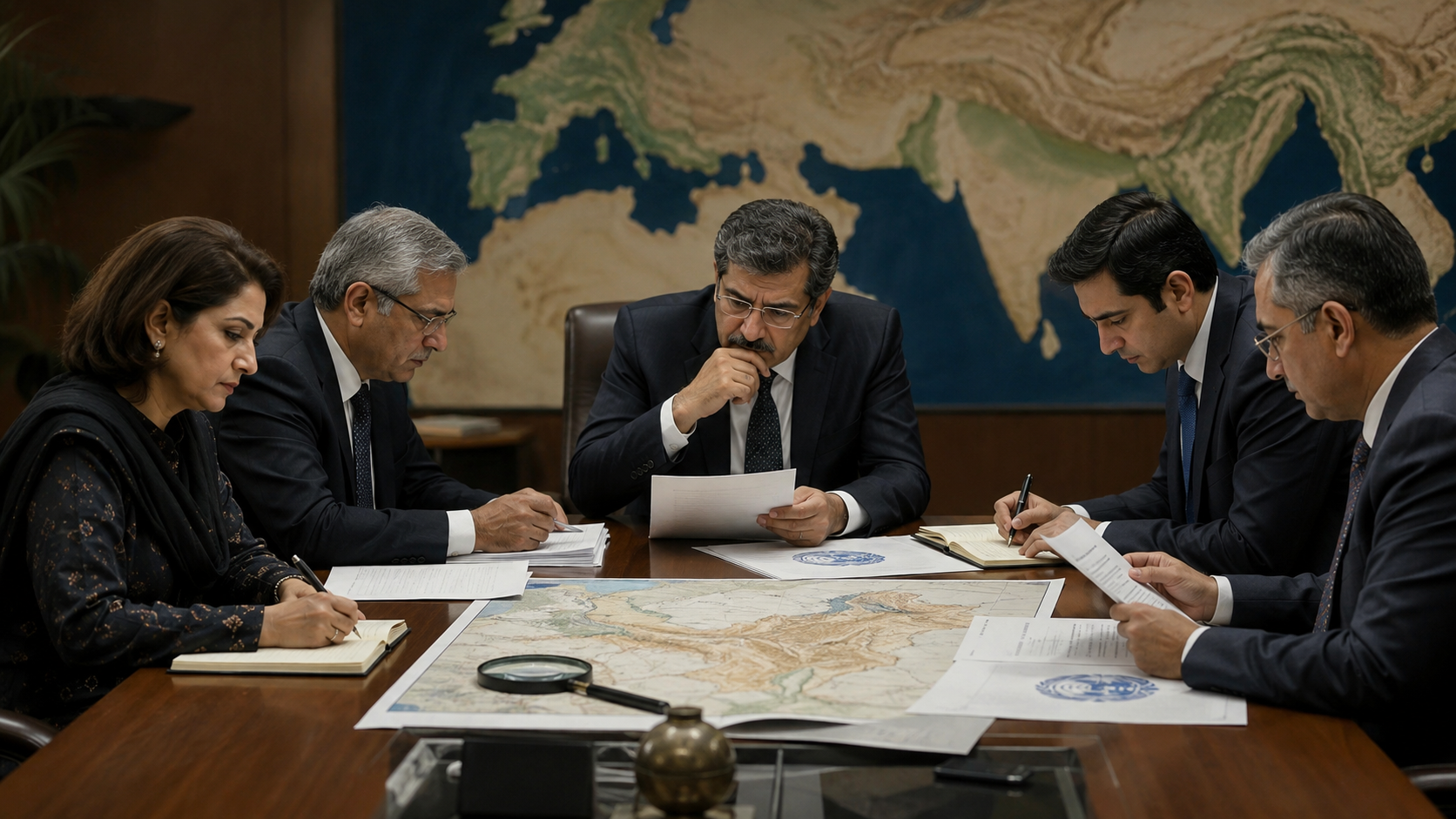
Pakistan and Syria discussed defense and strategic cooperation as Syrian Foreign Minister Asaad Hassan al-Shaibani met Field Marshal Asim Munir at GHQ Rawalpindi.
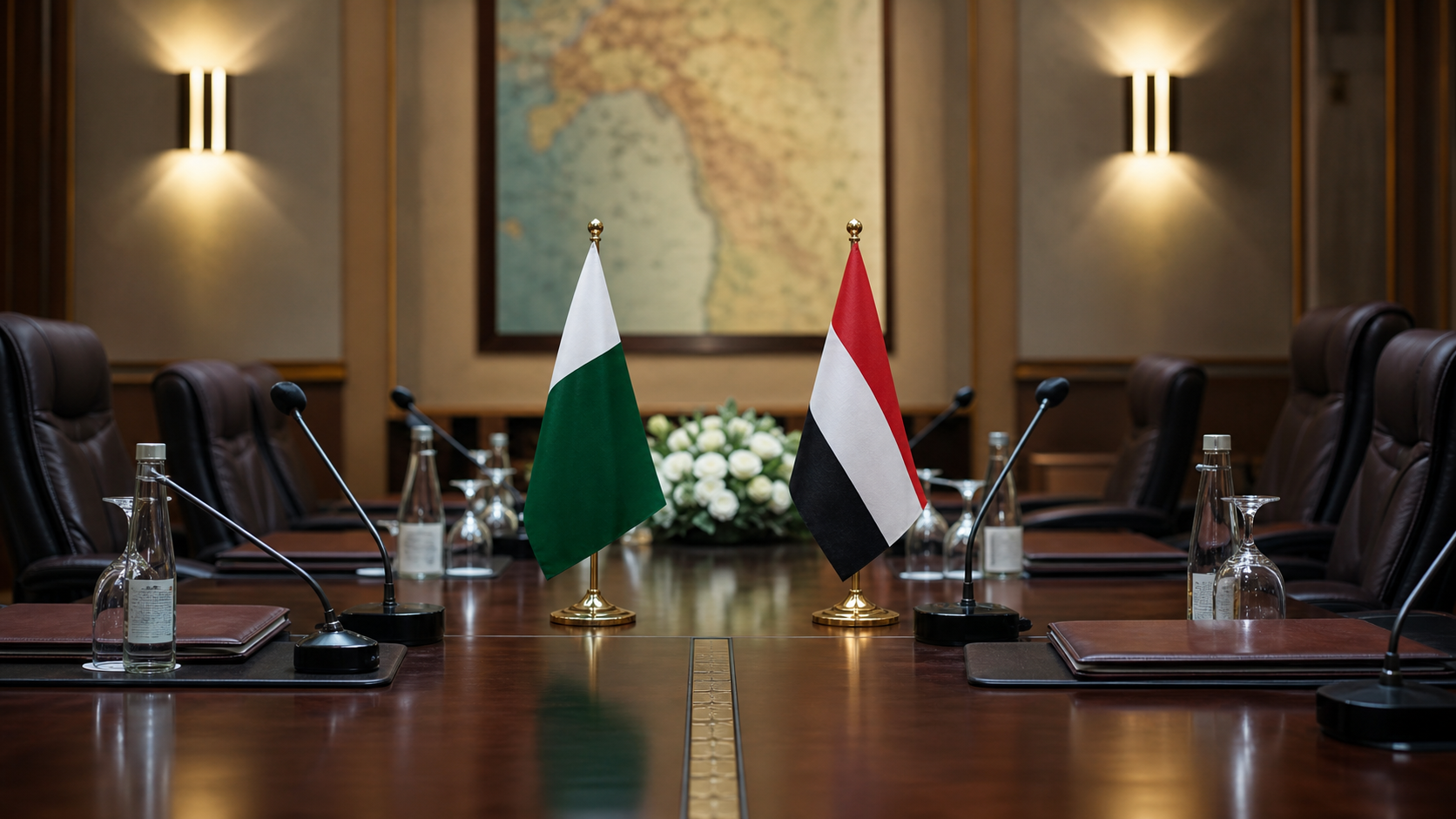
Image credit: AI-generated image / Novexa News
Pakistan and Syria are looking to expand defense and strategic collaboration after Syrian Foreign Minister Asaad Hassan al-Shaibani met Chief of Defence Forces and Chief of Army Staff Field Marshal Asim Munir at General Headquarters in Rawalpindi.
The meeting focused on matters of mutual interest, the changing regional security environment and possible areas where the two countries could increase cooperation in defense and security. According to the source draft, Field Marshal Munir highlighted Pakistan's fraternal relations with Syria and shared Islamabad's view on regional and global peace.
The contact is significant because it adds a military and security dimension to the wider diplomatic engagement taking place between Islamabad and Damascus. Syria's foreign minister has already held meetings with Deputy Prime Minister and Foreign Minister Ishaq Dar and Prime Minister Shehbaz Sharif during his Pakistan visit, making the trip broader than a routine diplomatic courtesy call.
Defense cooperation remains one of the sensitive but important areas in Pakistan's relationships with friendly countries. During the GHQ meeting, both sides discussed interaction between their armed forces and ways to cooperate on issues of mutual concern. The conversation reflected a shared interest in stability, though no new formal defense agreement was announced.
Field Marshal Munir underlined the importance of joint efforts in the face of emerging security threats. Syria, for its part, acknowledged the professional role of Pakistan's armed forces in supporting peace and stability. That language suggests both countries are exploring practical channels for engagement without immediately presenting the meeting as a binding military pact.
The timing matters. Syria is going through a phase of political and security transition, while Pakistan is trying to maintain a wider diplomatic balance across the Middle East. Greater contact with Damascus allows Islamabad to keep communication open with a country that remains central to regional security debates involving Palestine, the Golan Heights, Israel, Iran and broader Arab politics.
Pakistan's approach appears to be built around a familiar principle: support for sovereignty, dialogue and peaceful settlement of regional disputes, combined with selective cooperation where national interests overlap. In Syria's case, that could include counter-terrorism exchanges, security consultations, military training, diplomatic coordination and future institutional contact if both sides decide to move in that direction.
The Syrian foreign minister's wider visit also included discussion of political, trade, investment, education and human resource development ties. Prime Minister Shehbaz Sharif said both countries should turn their long-standing relationship into practical cooperation across different fields. That message gives the defense conversation a wider civilian and economic frame.
Economic cooperation was another important part of the visit. Syria proposed forming a Pakistan-Syria Joint Business Council to encourage direct engagement between business communities. Such a council could help identify trade and investment opportunities, especially as Syria looks toward reconstruction and economic recovery. Pakistan has experience in construction, pharmaceuticals, agriculture, textiles and skilled human resources, all of which could become relevant if bilateral trade channels improve.
The visit is also historically notable because it marks the first trip by a Syrian foreign minister to Pakistan since Walid al-Mouallem visited Islamabad in May 2007. That long gap makes the current round of meetings a possible reset point for official engagement. The new contacts suggest both sides want to review old ties and build a more active relationship.
For Pakistan, closer relations with Syria fit a broader diplomatic effort to maintain positive engagement with Middle Eastern countries. For Syria, better contact with Pakistan may open space for cooperation in diplomacy, economic recovery, training and security dialogue. The relationship will still depend on follow-up steps, because high-level meetings only matter if they produce working channels afterward.
The main takeaway is that Pakistan-Syria relations are moving beyond symbolic statements into a more structured discussion of defense, security, trade and strategic cooperation. The GHQ meeting between Field Marshal Asim Munir and Asaad Hassan al-Shaibani does not announce a new alliance, but it does show that both countries are testing how far practical cooperation can go in a changing regional environment.
Source links
Comments
No approved comments yet.