Pakistan Reaffirms Support for Syria's Sovereignty During Foreign Minister's Visit
Pakistan has reaffirmed support for Syria's sovereignty as Foreign Minister Asaad Hassan al-Shaibani visited Islamabad for talks with Deputy Prime Minister Ishaq Dar.

Image credit: Unsplash
Pakistan has reaffirmed its support for Syria's sovereignty and territorial integrity as Syrian Foreign Minister Asaad Hassan al-Shaibani arrived in Islamabad for an official visit aimed at strengthening bilateral relations. The visit signals a renewed push by both countries to rebuild high-level diplomatic engagement after years of limited contact.
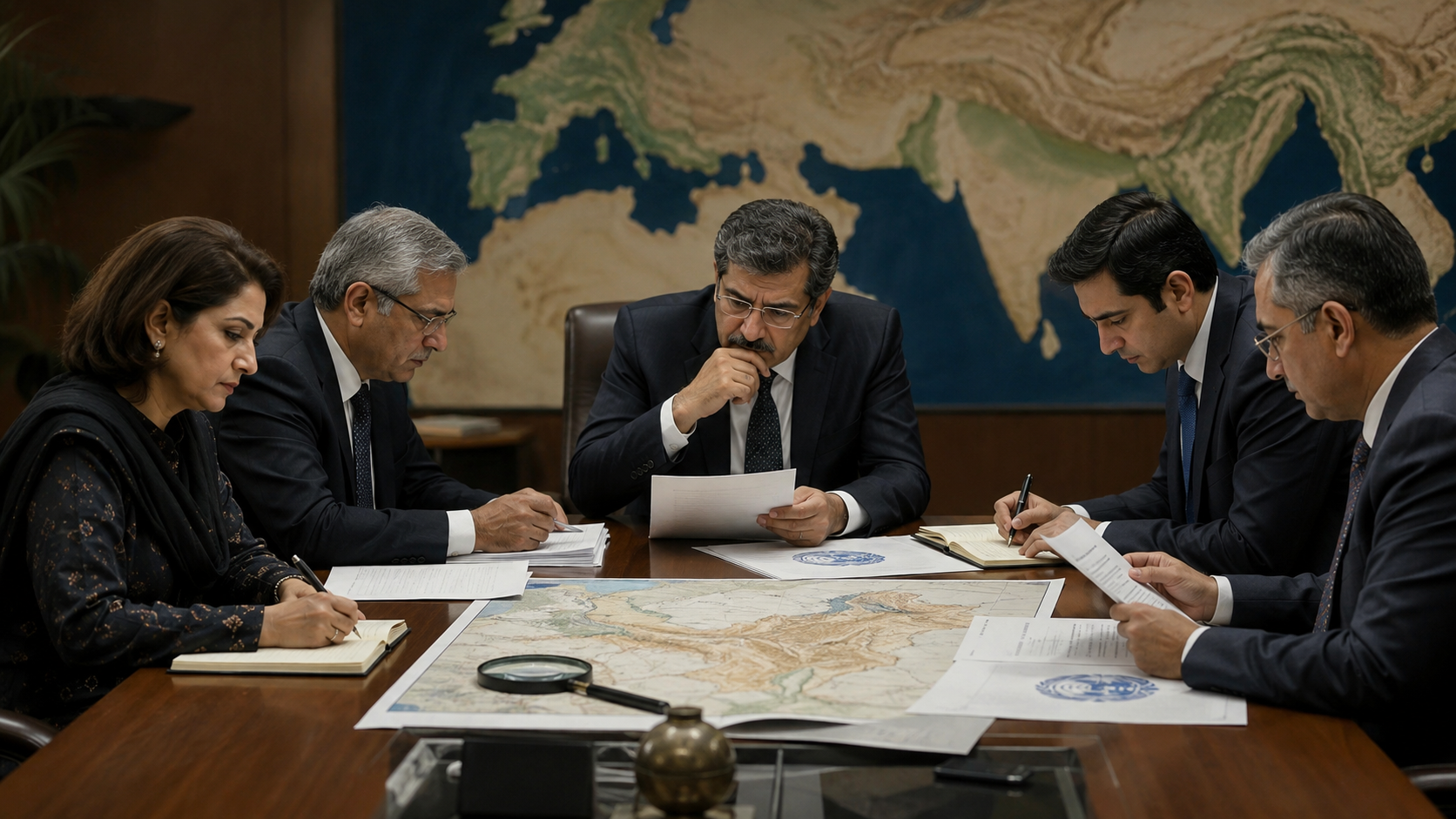
Deputy Prime Minister and Foreign Minister Senator Mohammad Ishaq Dar met his Syrian counterpart in Islamabad and discussed bilateral cooperation, regional developments and wider international issues. The talks were held against the background of long-standing Pakistan-Syria ties and Islamabad's stated preference for dialogue, diplomacy and respect for sovereignty in regional disputes.
During the meeting, Dar restated Pakistan's position in support of Syria's sovereignty and territorial integrity. The message came a day after Pakistan expressed concern over an Israeli attack on a Syrian airbase, giving the visit a sharper regional context. Islamabad has repeatedly said that state sovereignty and peaceful conflict resolution should remain central principles in foreign policy.
The two foreign ministers also discussed Palestine, the Golan Heights, Afghanistan, South Asia and the broader Middle East. Both sides agreed on the need for continued engagement and closer cooperation to support peace, stability and prosperity in the region. The breadth of the agenda showed that the visit was not only symbolic but also connected to active diplomatic concerns.
The Syrian foreign minister's visit is being seen as an important step in giving new momentum to Pakistan-Syria relations. Officials from both sides reviewed possible areas where cooperation could be expanded, including political coordination and diplomatic engagement on regional matters. Before delegation-level talks, Dar and al-Shaibani also held a closed-door meeting.
The visit carries historical weight because it is the first trip by a Syrian foreign minister to Pakistan since the regime change in Damascus. The last Syrian foreign minister to visit Islamabad was Walid al-Mouallem in May 2007. That long gap makes the current engagement notable for both countries and suggests an attempt to reopen a more regular channel of high-level contact.
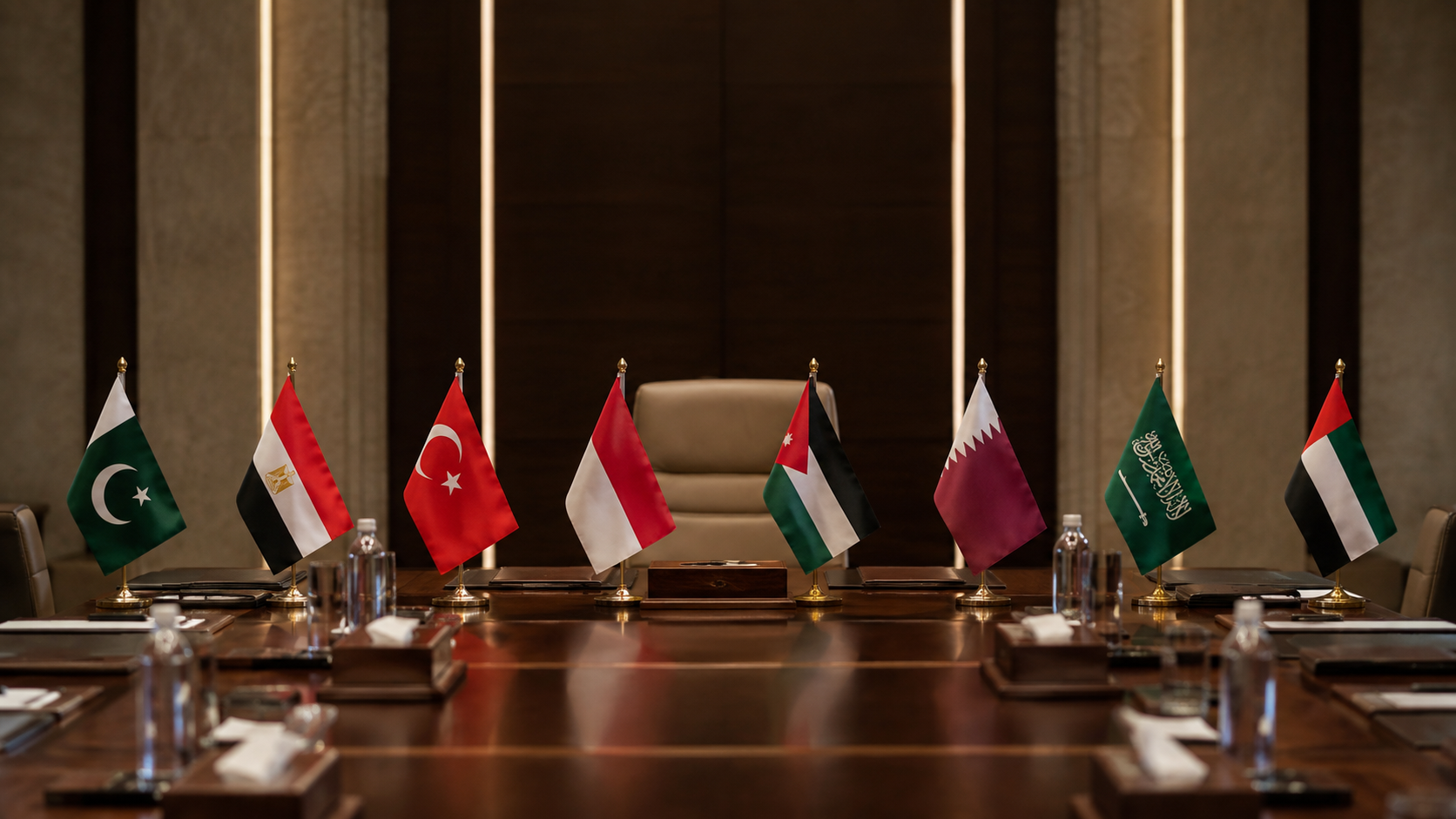
Al-Shaibani also appreciated the signing of the Makkah Joint Defence Agreement and acknowledged Pakistan's role in regional peace and stability, according to the draft material. His remarks placed Pakistan's Middle East diplomacy in a broader frame, where Islamabad is trying to maintain relationships across a region shaped by conflict, security concerns and shifting alliances.
For Pakistan, the meeting fits into a wider diplomatic pattern. Islamabad has been trying to increase engagement with Middle Eastern countries while continuing to call for negotiated solutions to regional crises. The emphasis on Syria's territorial integrity also aligns with Pakistan's public position on international law and respect for recognized borders.
The discussions also matter because the Middle East remains closely connected to Pakistan's economic, security and diplomatic interests. Millions of Pakistanis live and work in the region, energy markets affect domestic prices, and regional instability can quickly shape security calculations. That gives Islamabad a reason to keep communication open with multiple governments.
At the same time, Pakistan will need to balance its Syria outreach with the concerns of other regional partners. Diplomacy in the Middle East often requires careful language, especially when issues such as Palestine, the Golan Heights and Israeli military action are part of the conversation. The meeting with Syria therefore sits inside a complicated regional map rather than a simple bilateral reset.
The main takeaway is that Pakistan and Syria are trying to revive diplomatic engagement at a senior level. The visit does not by itself transform the relationship, but it creates a platform for further talks and cooperation. If follow-up meetings produce practical agreements, the Islamabad visit could become an important marker in the rebuilding of Pakistan-Syria ties.
For now, Pakistan's message is clear: it supports Syria's sovereignty, wants regional issues handled through diplomacy and sees continued engagement as necessary for peace and stability. The next test will be whether both sides can turn this high-level visit into sustained contact in the coming months.
Source links
Comments
No approved comments yet.