Pakistan Orders Fuel and Spending Cuts Under New Austerity Measures
Pakistan orders a 50% cut in official-vehicle fuel, a 5% reduction in non-employee spending, and new travel and procurement restrictions.
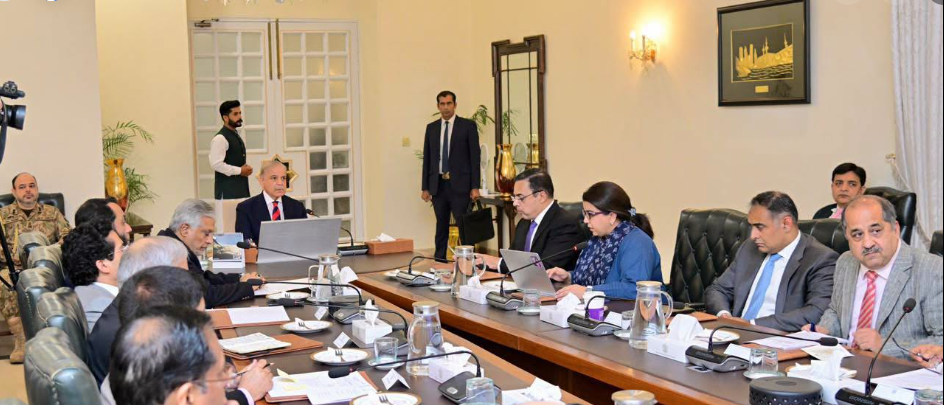
Image credit: Prime Minister's Office via Associated Press of Pakistan
ISLAMABAD, September 18, 2026: Pakistan's federal government has ordered a new round of austerity and fuel-conservation measures, turning proposals reviewed earlier in the week into immediate restrictions on official fuel use, public spending, overseas travel and procurement.
The package was approved by Prime Minister Shehbaz Sharif on the recommendations of the Committee for Monitoring and Implementation of Fuel Conservation and Additional Austerity Measures. A Cabinet Division notification dated September 17 sets out the measures and their exemptions.
The most direct fuel-saving step is a 50 per cent reduction in fuel provided to official vehicles for three months. Operational vehicles used by the armed forces, civil armed forces, law-enforcement agencies, essential services and the Federal Board of Revenue are exempt. Administrative and non-operational vehicles belonging to those institutions remain subject to the reduction, while vehicles assigned to development projects are also excluded from the restriction.
The decision follows the government's earlier review of possible fuel-saving measures. At that stage, a four-day workweek and wider limits on official transport were among options reported to be under consideration. The new notification confirms a different set of measures and does not announce a four-day working week.
Five Per Cent Cut in Non-Employee Spending
The government has also ordered a five per cent reduction in the Non-Employee Related Expenses budget for the full 2026-27 financial year. The reduction is to be applied through monthly deductions and covers federal government entities as well as Pakistan's foreign missions and personnel posted abroad.
Rent, education fees and medical-care obligations for overseas missions and employees will continue to be met, according to the notification. The measure is therefore aimed at controllable operating expenditure rather than salaries, allowances or the specified essential commitments.
A complete ban has been placed on purchases of vehicles of all types. Procurement of durable goods is also prohibited, except for information-technology equipment and services. Development projects are exempt from both restrictions, preserving purchases that form part of approved project work.
Official foreign visits and travel have been suspended for three months, including visits described as obligatory. The exemptions include scholarships offered by international development partners and training or courses arranged through the Economic Affairs Division or under institutional agreements with the government.
Pakistan's ambassadors or high commissioners are expected to represent the country at obligatory and important events during the suspension. Where a visit is considered unavoidable, ministers, advisers, ministers of state, special assistants, parliamentarians and government officials must travel in economy class.
Meetings, Events and Business Hours
Federal bodies have been directed to rely on video or teleconferencing for official meetings where possible. Official dinners are barred except when required for visiting foreign delegations. Government-funded seminars, training programmes and conferences are also prohibited; unavoidable events must be held in government auditoriums, committee rooms or other official facilities rather than commercial venues.
The package retains the commercial closing hours notified on June 19. Shops, markets, shopping malls, bazaars, departmental stores, grocery stores, general stores and kiryana shops are to close by 9pm. Marriage halls, marquees and other venues hosting festive events must close by 10pm, while restaurants, cafes, eateries, food outlets and standalone fruit and vegetable shops may remain open until 11pm. Takeaway and home-delivery services are exempt.
Pharmacies, medical-supply stores, laboratories, clinics, hospitals, standalone bakeries and tandoors, milk and dairy shops, petrol and CNG stations, electric-vehicle charging facilities, gyms, sports facilities, IT companies and call centres are among the businesses excluded from the closing-time limits. The single-dish rule for marriage functions also remains in force.
The federal notification says provincial and regional governments may consider adopting similar measures. This distinction is important because implementation of commercial timings outside the federal government's direct administrative control also depends on action by the relevant provincial and regional authorities.
Weekly Monitoring Planned
According to an Associated Press of Pakistan report, the committee overseeing the programme will collect implementation reports from ministries, divisions, departments, government organisations and provincial governments. It is expected to identify non-compliance and practical obstacles, recommend corrective action and submit a weekly progress report to the prime minister.
Requests for exemptions can be considered individually by the monitoring committee, which will send its recommendations to the prime minister for approval. Exemptions granted through that process will not require separate clearance from the Finance Division's Austerity Committee.
Shehbaz said the government and the country's more privileged groups should take the lead in making sacrifices as higher international petroleum prices add to inflationary pressure. He directed officials to apply the measures without discrimination and to reduce avoidable government expenditure while conserving fuel and energy.
The new orders give the austerity drive a defined framework, but their effect will depend on compliance across federal institutions and cooperation from provincial administrations. The planned weekly reports should provide the first indication of whether fuel allocations, procurement and non-employee spending are being reduced as directed.
Source links
Comments
No approved comments yet.