Pakistan Reviews Fuel-Saving Measures as Petroleum Prices Rise
Pakistan is reviewing possible fuel-saving measures, including a four-day workweek and limits on official transport, but no final policy has been announced.
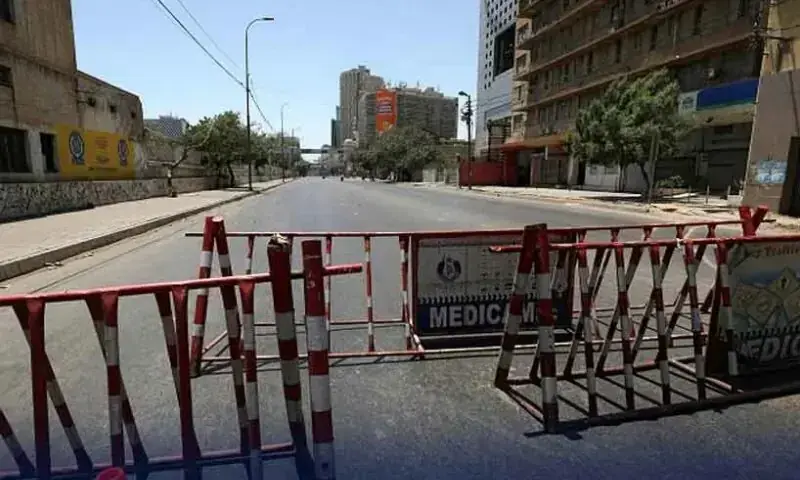
Image credit: Aaj English / representational file image. No new fuel-related lockdown had been announced at publication time.
ISLAMABAD, September 15, 2026: The federal government is reviewing whether to revive fuel-conservation and austerity measures as rising petroleum prices increase pressure on households, businesses and public spending. No new lockdown, workweek or market-closure policy has been formally announced.
Information Minister Attaullah Tarar said Prime Minister Shehbaz Sharif had ordered a review of earlier measures to determine which should be restored in the current situation. Tarar made the remarks during a briefing with Information Technology Minister Shaza Fatima Khawaja and Petroleum Minister Ali Pervaiz Malik, according to India Today.
Separately, Pakistani news outlets citing unnamed sources reported that officials discussed several options intended to reduce commuting and fuel use. Those proposals remain under consideration and should not be treated as government decisions until an official notification is issued.
Four-Day Week Among Reported Options
Dunya News reported that one option would reduce the working week for public and private offices to four days, with Friday, Saturday and Sunday designated as holidays. A rotation system for government employees was also discussed to reduce the number of staff travelling to offices on the same days.
Other reported proposals include temporarily grounding about half of official vehicles, closing markets for three days a week or reducing daily business hours. The outlets attributed those details to sources familiar with the meeting rather than a published Cabinet Division directive.
The phrase "petroleum smart lockdown" has appeared in reports about the discussions, but the government had not announced such a lockdown at the time of publication. The distinction matters because market closures and changes to office schedules would affect workers, businesses and public services across the country.
Earlier Measures Were Mostly Withdrawn
Pakistan introduced a package of conservation measures in March during an earlier fuel-supply shock. It included a four-day workweek for many offices, work-from-home arrangements, restrictions on official transport and shorter commercial operating hours.
In June, the federal government withdrew the fuel-conservation and additional austerity restrictions introduced in March, while retaining certain market-closing times. Radio Pakistan reported that essential services, medical facilities, food outlets, fuel stations, IT companies and other specified businesses were exempt from the remaining limits.
The current review is therefore about whether parts of that earlier framework should return, rather than implementation of an entirely new policy.
Prices and Relief Scheme
The discussions follow a series of daily petroleum-price increases. For September 16, petrol was set at Rs384.34 per litre and high-speed diesel at Rs415.83 per litre under the government's daily pricing mechanism.
At the same time, the government has started targeted support for eligible users of motorcycles, three-wheelers and cars with engines up to 800cc. The Fuel Relief Scheme provides assistance calculated at Rs100 per litre within specified limits and is administered through a digital registration and verification system.
Coordinator to the Prime Minister Rana Ehsan Afzal said the government did not foresee an immediate petrol or diesel supply shortage, according to Geo News. That means the reported proposals are being presented as demand-management and cost-saving options, not as a response to an announced depletion of national fuel stocks.
Any final measures would require clear details on their duration, exemptions and application to private businesses. Until those details are formally released, the four-day week, vehicle restrictions and three-day market closure remain proposals rather than rules in force.
Source links
Comments
No approved comments yet.