Iran Calls for Regional Islamic Economic and Political Bloc
Iran's first vice president has proposed closer Islamic economic and political cooperation as renewed fighting in Yemen raises concerns over Red Sea security.
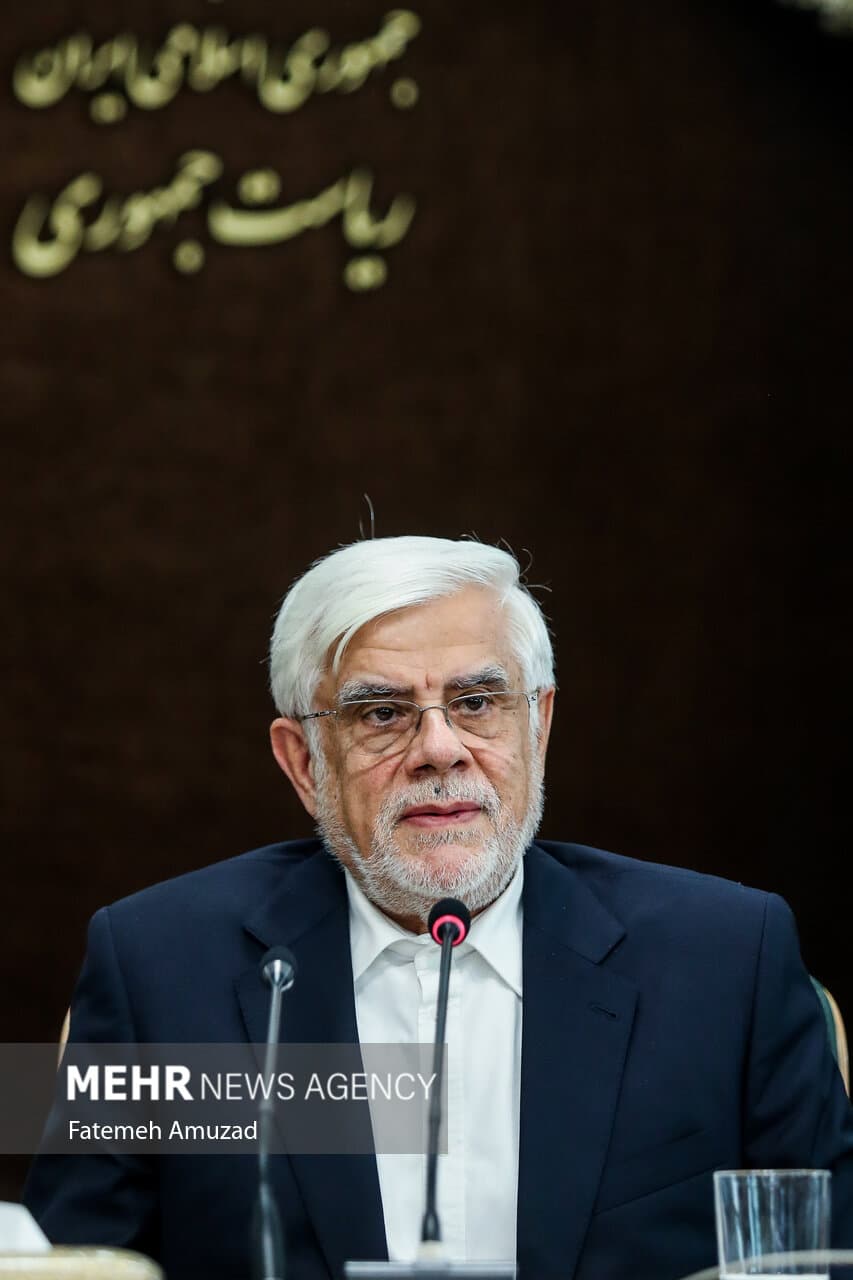
Image credit: Fatemeh Amouzad / Mehr News Agency, via Wikimedia Commons. CC BY 4.0. File photo, August 2024.
TEHRAN, September 11, 2026: Iran's First Vice President Mohammad Reza Aref has called for an Islamic economic and political bloc, urging regional governments to strengthen cooperation and reduce dependence on outside powers as fighting in Yemen raises concerns over security around the Red Sea.
According to Mehr News reporting republished by Daftar Vakil, Aref made the appeal in a social media statement on Friday. He welcomed what he described as victories by the Yemeni people and urged regional leaders to pursue rational decision-making, independence and unity.
He argued that stronger economic and political coordination, grounded in good-neighborly relations and regional cohesion, could protect the shared interests of Muslim countries. The remarks outlined a proposal for cooperation, rather than an announcement that governments had agreed to establish a new organization.
Yemen Escalation Raises Regional Stakes
Aref's statement comes amid renewed fighting along Yemen's western coastline, where control of ports and nearby territory carries implications for the Bab al-Mandeb Strait. The waterway connects the Red Sea with the Gulf of Aden and is an important route for international shipping.
The Associated Press reported that Houthi forces captured the port city of Mokha on Thursday. The escalation prompted an emergency United Nations Security Council meeting, with Yemen's internationally recognized government urging stronger action against the group and enforcement of the arms embargo.
These developments have increased pressure on regional governments to respond to both the conflict inside Yemen and the risk of disruption to maritime trade. Changes in control along the coast can affect the security calculations of neighboring states, while sustained instability could have consequences for commercial shipping and supply chains.
Cooperation Proposal Faces Political Differences
Tehran's appeal places political consultation and economic collaboration at the center of its public response. Aref presented a more coordinated regional approach as a way to defend common interests while preserving independence from external powers.
Turning that proposal into an operating bloc would require participating governments to agree on its membership, responsibilities and practical objectives. Differences over foreign policy, security priorities and the conflict in Yemen would remain important obstacles to any shared framework.
For now, Aref's remarks amount to a call for closer cooperation. They do not establish that regional states have accepted a common political or economic arrangement, or that such an initiative would resolve their competing positions on Yemen.
Source links
Comments
No approved comments yet.