Iran Army Chief Claims Opponents Failed to Meet War Goals
Iranian army commander Amir Hatami says the country's missile, drone and air-defence forces denied opponents their objectives, though battlefield claims remain contested.
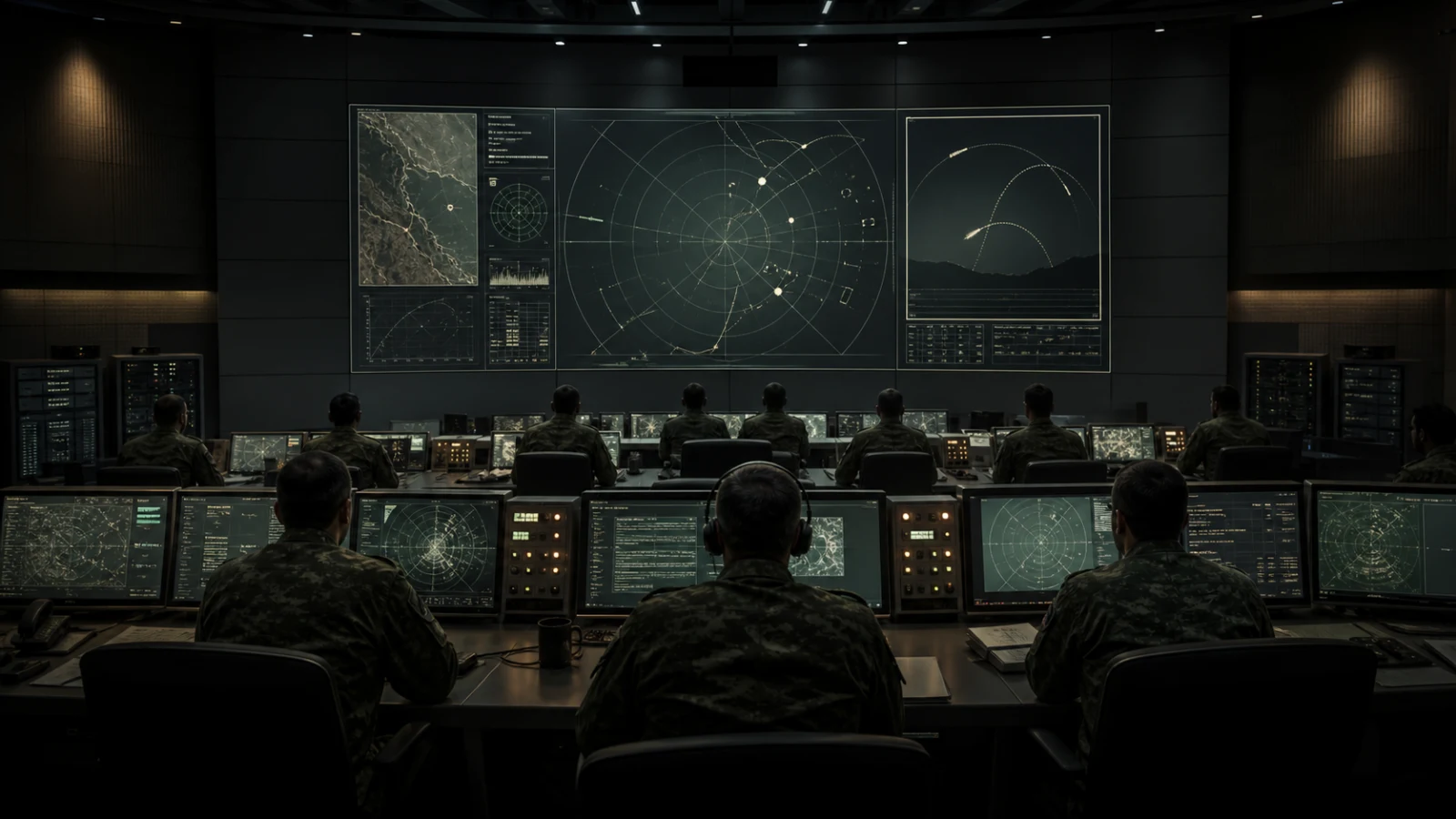
Image credit: AI-generated editorial illustration by Novexa News
Iran's army commander-in-chief, Major General Amir Hatami, has claimed that opposing forces failed to achieve their principal military objectives in the recent conflict, presenting the survival of Iran's missile, drone and air-defence capabilities as a strategic victory.
Hatami made the remarks at a ceremony in Rasht, in Gilan province, commemorating army personnel killed during the fighting. His argument was that the outcome should be measured against the attacker's original goals: if a defending state prevents those goals from being achieved, it can claim success even after suffering losses.
The statement forms part of Tehran's effort to shape the public account of the war. Military results remain disputed, and many operational claims made by all sides cannot be independently confirmed from publicly available information.
Hatami's case for a defensive victory
According to the Iranian commander, one of the opposing forces' main objectives was to destroy or severely weaken Iran's missile and drone programmes. He said Iranian forces continued launching both types of weapons until the final stage of the fighting.
Hatami also praised air-defence units, claiming they remained operational under pressure and damaged several crewed and uncrewed aircraft as well as other military equipment.
These are claims by a senior participant in the conflict, not independently verified findings. Details about losses, interception rates, damaged facilities and remaining stockpiles are often classified or contested. Wartime imagery can establish that an incident occurred, but it may not reveal the full scale of damage or its strategic effect.
The careful conclusion is that Iran retained an ability to operate some missile, drone and air-defence systems during the conflict. The size, readiness and long-term sustainability of those capabilities require evidence beyond a commander's speech.
Why the missile and drone programmes matter
Iran has invested heavily in missiles and drones because conventional air power and access to advanced foreign weapons are limited. Those systems provide Tehran with a way to strike at distance, support deterrence and impose costs on adversaries with stronger air forces.
Opponents therefore have a strong incentive to target launch sites, production facilities, command networks and storage areas. Even partial damage can affect the rate and accuracy of operations. Complete destruction, however, is difficult when equipment is dispersed, mobile or placed in hardened facilities.
Air defence is equally important. It protects command centres, military bases, infrastructure and cities, but no system can guarantee that every incoming aircraft or missile will be stopped. Assessing effectiveness requires reliable data on what was detected, intercepted, damaged and allowed through.
A message aimed at several audiences
Hatami's speech was directed first at a domestic audience dealing with casualties and questions about military readiness. By describing the conflict as a defensive success, the leadership is seeking to maintain confidence in state institutions and reassure the public that Iran can withstand further pressure.
The message was also intended for regional rivals and the United States. Tehran wants potential opponents to believe that another attack would face a functioning military response rather than a weakened force unable to retaliate.
Deterrence depends partly on perception. A military does not need to reveal every capability, but it must persuade adversaries that enough capacity survives to make escalation costly. Public speeches, exercises and displays of equipment all contribute to that effort.
National unity in the official narrative
Hatami emphasised cooperation among the government, parliament, judiciary, armed forces and security institutions. Iranian leaders have repeatedly presented national unity as a defence against outside pressure.
That narrative can serve a political purpose as well as a military one. It encourages the public to set aside internal disputes during a security crisis and frames criticism as potentially harmful to national resilience.
A full assessment of unity would also have to consider economic strain, casualties, public access to information and differing views inside Iranian society. Official ceremonies show the position of the state, not necessarily the complete range of public opinion.
Competing accounts of the conflict
Opposing governments typically highlight successful strikes and minimise evidence of their own setbacks. Iran points to continued launches and the survival of key systems. Its adversaries point to damaged sites, intercepted weapons and limits on Iran's ability to sustain operations.
Both descriptions can contain elements of truth. A force may continue operating after losing important equipment, while an attacker may cause substantial damage without eliminating the capability it targeted.
Independent assessment will depend on satellite imagery, verified loss records, official disclosures made over time and changes in Iran's operational behaviour. Early claims should be treated as part of the information contest surrounding the war.
What the statement means for regional security
Hatami's remarks indicate that military readiness, dispersed strategic systems and domestic defence production will remain priorities for Tehran. Iran is likely to repair damaged facilities, replace equipment and adapt tactics based on lessons from the conflict.
That process may also influence diplomacy. A government that believes its deterrent survived may feel less pressure to compromise, while opponents may seek stronger restrictions or verification in future negotiations.
The army chief has offered Iran's official measure of success: the adversary did not achieve its central aims. Establishing the true military balance will take longer and requires evidence from outside the competing wartime narratives.
*The featured image is an AI-generated editorial illustration by Novexa News and does not depict an actual Iranian military facility or operation.*
Source links
Comments
No approved comments yet.