Hormuz Vessel Incident Raises Shipping Concerns
Amid ongoing military conflict between the United States and Iran, which is inflicting significant pressure on commercial shipping and undermining hopes of a quick resolution, tensions have again escalated over the…
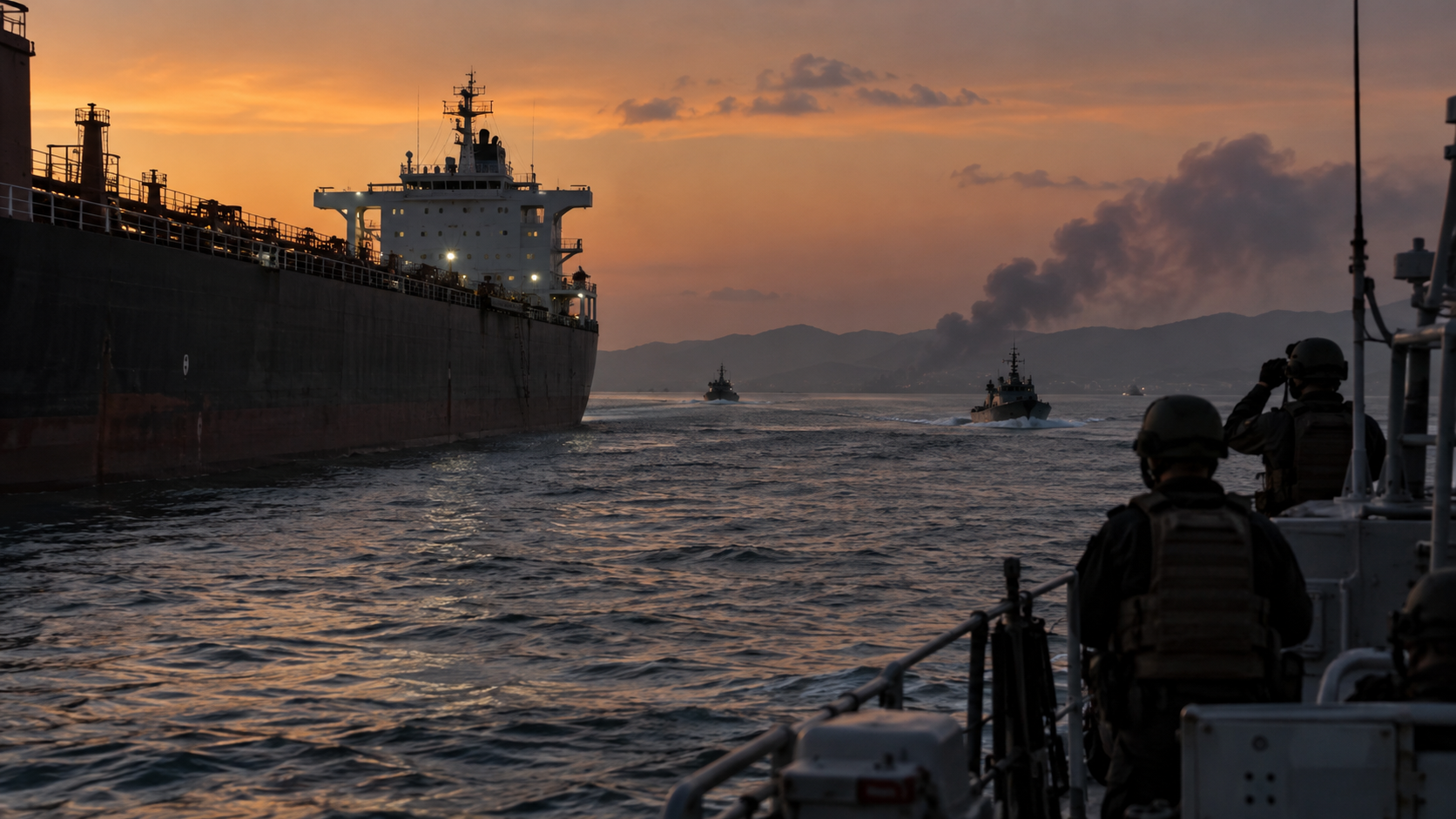
Image credit: AI-generated editorial image / Novexa News
Amid ongoing military conflict between the United States and Iran, which is inflicting significant pressure on commercial shipping and undermining hopes of a quick resolution, tensions have again escalated over the strategically vital Strait of Hormuz after a vessel hit a strange object while crossing the waterway and set on fire, injuring several crew members and forcing them to evacuate, reports the United Kingdom Maritime Trade Operations Centre (UKMTO).
A fresh incident in a critical waterway
The Maritime Security Organisation said the attack took place around 11 pm on Saturday with the vessel being hit by an unidentified object as she was crossing the Strait and a fire on board was reported, prompting local authorities to rush to help with crew members' evacuation. The event has contributed to the escalating concerns of shipping companies on the security of one of the world's key maritime routes, especially after a series of attacks and military restrictions have severely affected maritime commerce.
The latest comes amid a growing lack of confidence in diplomatic dialogue between Tehran and the U.S., as the Iranian ayatollah has reaffirmed his demands and indicated that any talks would have to include his demands before moving forward. Iranian Parliament's National Security Committee chairman Ebrahim Azizi has negated any hopes for immediate negotiations, saying it is not productive to talk unless Iran's conditions are accepted.
Why shipping companies are worried
Although no formal negotiations were under way with the United States, Iran has been trying to keep the region engaged in its own efforts to remain active in the region in spite of the wider confrontation. The talks between Iranian and Gulf officials in Muscat are likely to focus on an agreement for an Iran-Oman shipping route through the Strait of Hormuz, which could become more important as commercial shipping companies look to find ways to continue trading in the face of increasingly challenging security conditions.
Meanwhile, Iranian President Masoud Pezeshkian has made a strong statement on the ongoing confrontation during the BRICS Summit in New Delhi, where he declared that Iran will not succumb to "external pressure and aggression. Tehran and Washington remain at odds politically, especially after U.S. President Donald Trump's ongoing support for the U.S. military action against Iran, and his claim that the battle may come to an end after the U.S. midterm elections.
Diplomacy remains strained
The maritime situation has grown more complicated as the United States continues to keep its military forces more active in the area, and U.S. Central Command (CENTCOM) said U.S. forces have altered the paths of ships carrying trade goods trying to pass through the Strait during the time of the naval blockade. Iran's maritime space has also been the target of numerous attacks and military activity, leaving the shipping companies, crews and energy traders in the country uncertain about the safety of their operations.
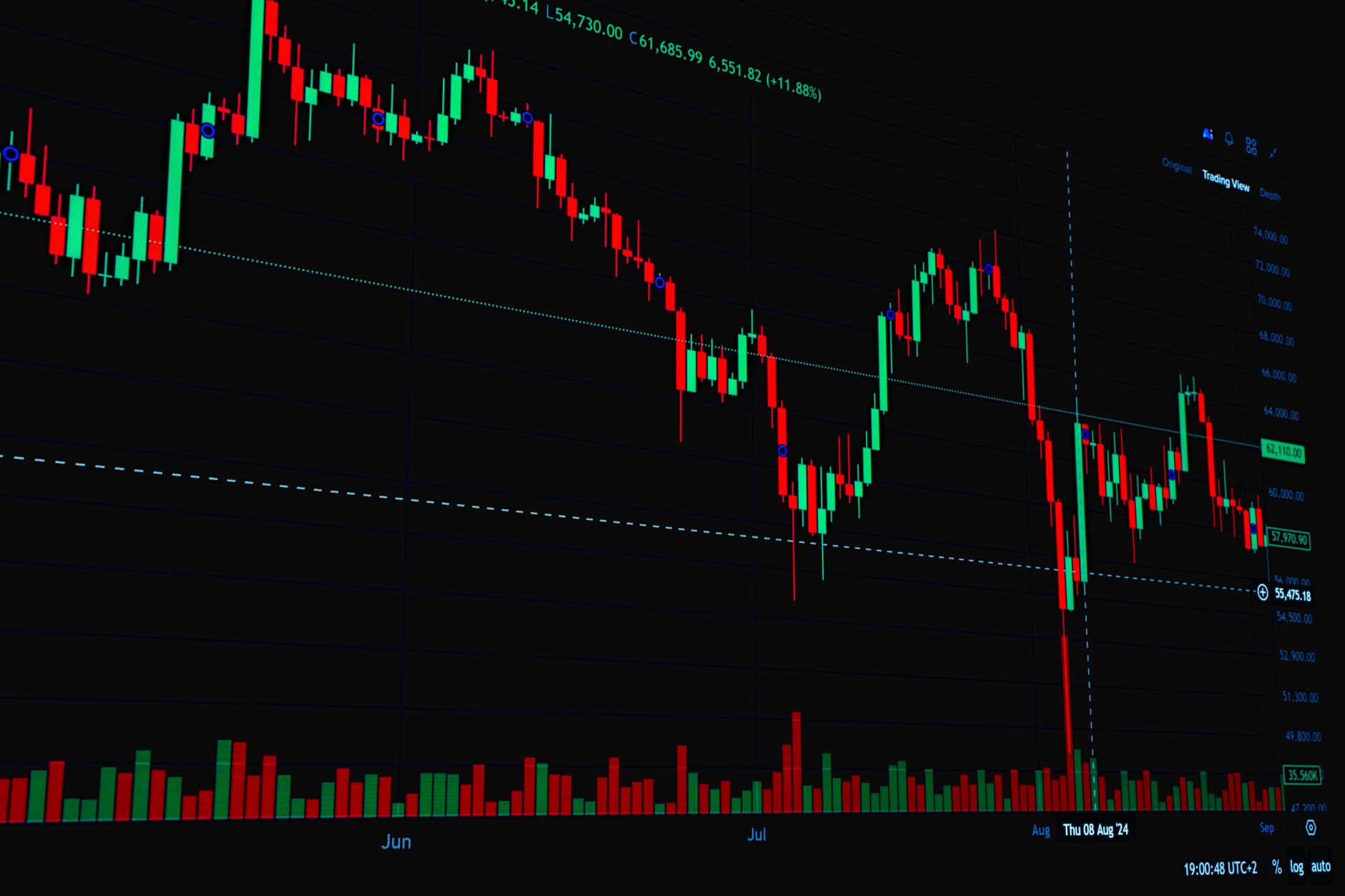
The disruption has consequences on global energy markets, as the Strait of Hormuz is a major shipping route and long-lasting closures of the sea lanes have helped to push up crude oil prices. Both benchmarks had large weekly increases after big gains as worries over ongoing turmoil in the Middle East drove prices Both Brent crude, which settled at $104.61 per barrel , and West Texas Intermediate (WTI) crude, which settled at approximately $100.05 per barrel , recorded elevated prices amid continued tensions in the Middle East.
Oil markets feel the pressure
The development has also put extra strain on the alternate oil transport corridors, since Saudi Arabia is using its East-West crude oil pipeline to lessen reliance on the Strait. Riyadh, however, recently shut down the facility of the pipeline to take precautionary measures after it reported that drone attacks had targeted parts of the pipeline, adding to the risk of regional energy supplies.
The recent incident further compounds a volatile regional situation, and the lack of substantive U.S.-Iran talks, the ongoing military standoff, and disruption of commercial shipping further question the security of the Strait and the overall security situation.
Comments
No approved comments yet.