Six Security Personnel Martyred, Eight Militants Killed in Hangu Clash
Six Pakistani security personnel, including two army officers, are martyred and eight militants killed in an exchange of fire in Hangu.
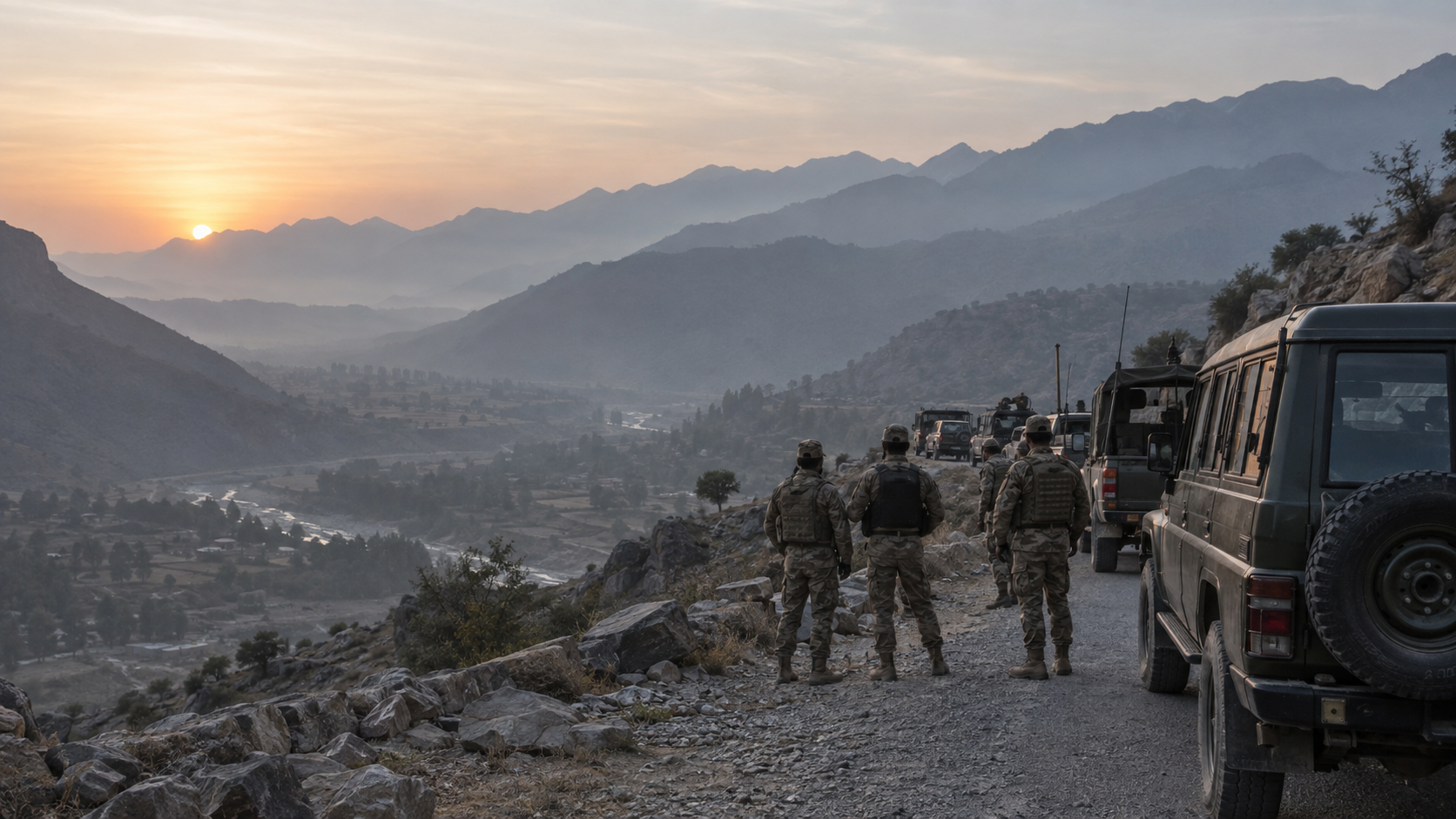
Image credit: AI-generated editorial illustration by OpenAI
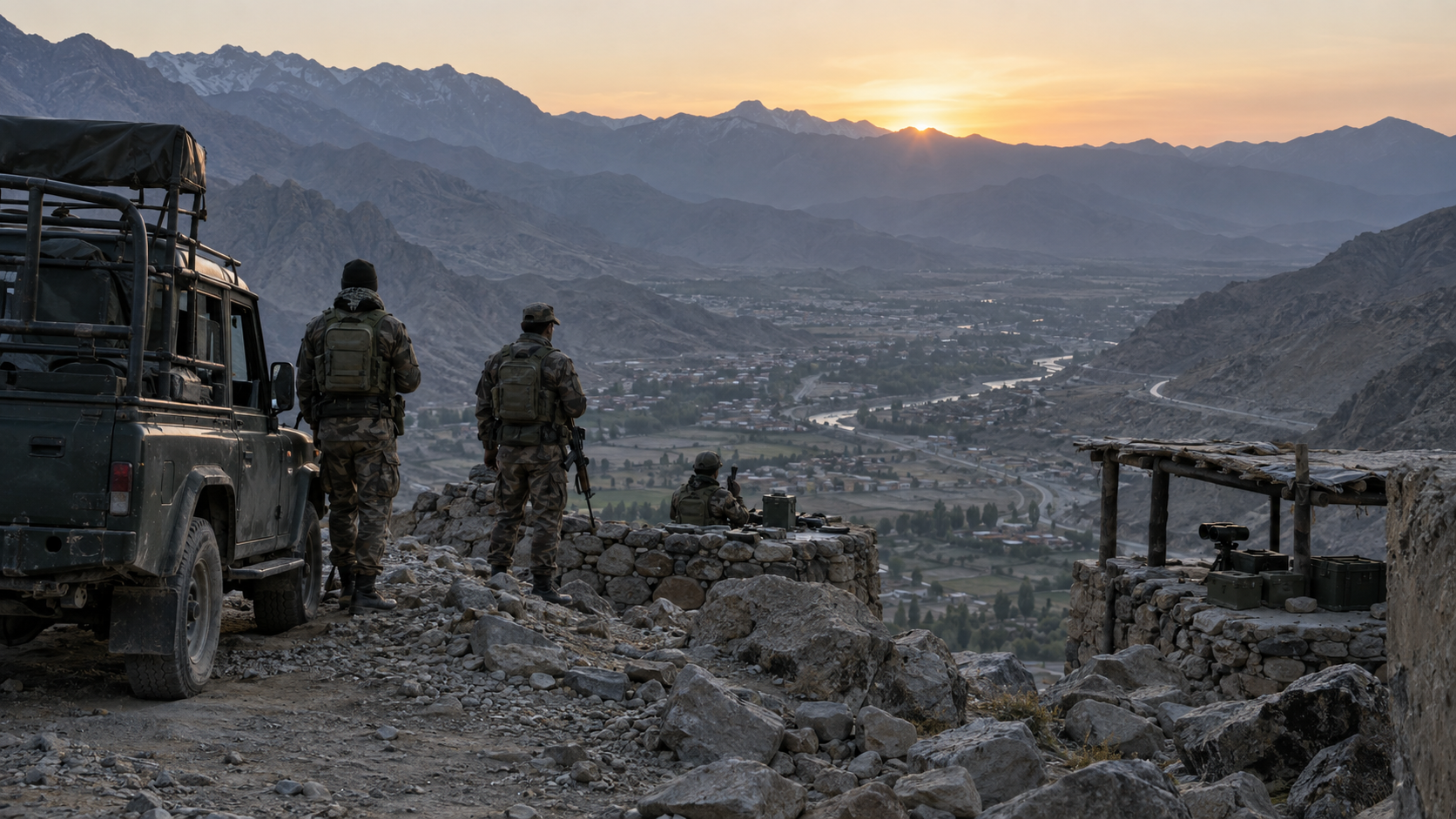
Six Pakistani security personnel, including two young army officers, were martyred and eight militants were killed during an intense exchange of fire in Hangu district, the military said, as Khyber Pakhtunkhwa faces another period of sustained militant violence.
The Inter-Services Public Relations said the clash began when a security forces convoy encountered militants in the northwestern district. Captain Abuzar Farooq, 23, from Gujranwala, and Lieutenant Sheraz Babar, 22, from Chakwal, were among those killed. The military said both officers were leading their troops during the engagement.
Four other personnel were also killed. The military identified the opposing fighters as members of the banned Tehreek-i-Taliban Pakistan, using the state's designation "Fitna al-Khawarij" for the group. An Associated Press report confirmed the military's account that six personnel and eight militants died in the exchange.
ISPR said a sanitisation operation was launched after the firefight to search the surrounding area for any remaining militants. No independent account of the full sequence of the confrontation was immediately available.
Officers named by the military
The military's statement described Captain Farooq and Lieutenant Babar as having fought at the front of their unit. Pakistan Today reported that Prime Minister Shehbaz Sharif paid tribute to the personnel and offered condolences to their families.
Funeral prayers for the six personnel were held before their bodies were transported to their home areas, according to the official account. The deaths have renewed attention on the risks faced by units operating in districts near the former tribal areas, where difficult terrain and a network of rural roads complicate surveillance and rapid response.
The military linked the operation to its wider counterterrorism campaign under the Azm-i-Istehkam framework approved by the Federal Apex Committee of the National Action Plan. Officials say the campaign is intended to improve coordination among the armed forces, police, intelligence bodies and civilian institutions rather than function as one isolated military operation.
Security pressure across the region
The Hangu clash occurred days after a coordinated assault on the old Police Lines in nearby Kohat. That attack began with an explosives-laden vehicle striking a mosque near police offices before armed attackers entered the compound. Authorities later said all eight attackers were killed after a security operation lasting about 20 hours.
Novexa's report on the Kohat operation recorded the initial casualty count as at least 21 dead and more than 100 wounded. Later local reports placed the death toll at 23. The difference reflects updates issued as officials identified victims and treated the injured.
Hangu itself has experienced repeated attacks and counterterrorism operations. A captain was killed during an intelligence-based operation in August in which the military said seven militants died. An earlier attack on a police checkpost in July killed police officers and injured dozens more.
The latest incidents show that both police and military personnel remain exposed. Police generally carry the daily burden of protecting stations, roads and communities, while military units are often deployed when intelligence indicates larger militant groups or heavily armed positions.
Attribution and the Afghanistan dispute
Pakistani authorities frequently say TTP leaders and fighters use sanctuaries across the border in Afghanistan. The Afghan Taliban government denies allowing its territory to be used for attacks on Pakistan. Neither side's broader allegations can be independently verified from the Hangu battlefield account alone.
ISPR also described the militants as receiving foreign support, including from India. That attribution forms part of Pakistan's official position, but no independently verified evidence for the claim was presented with the public statement about this clash.
Those distinctions matter because the Hangu fighting is unfolding alongside renewed cross-border tension. Pakistan has carried out strikes on targets it describes as militant facilities in the border region, while Afghan authorities have reported civilian casualties and condemned operations on their territory.
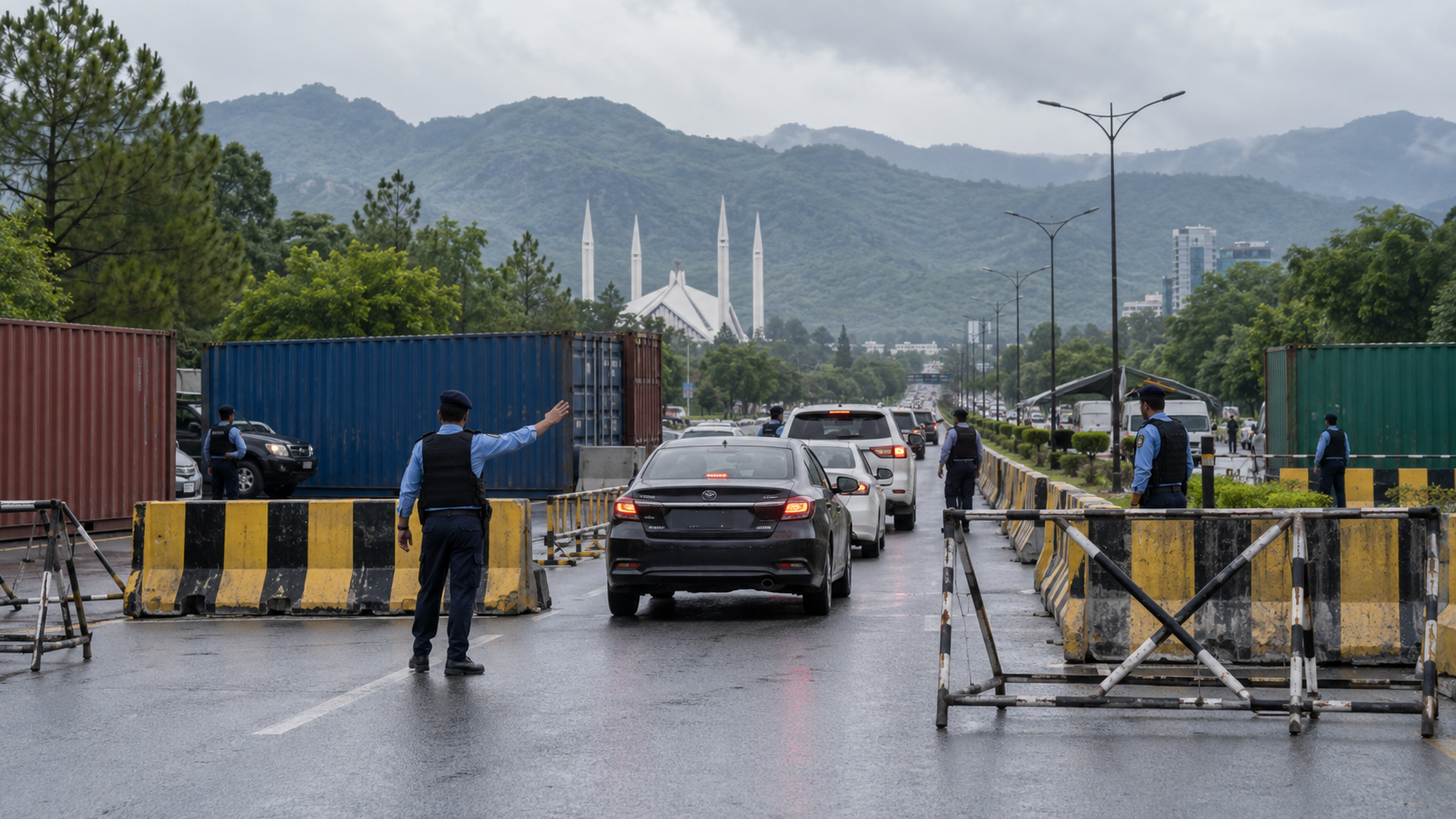
For communities in Hangu and Kohat, the immediate concern is the frequency of violence and its effect on daily life. Every major attack brings checkpoints, searches and temporary movement restrictions, while losses among security personnel reduce manpower already stretched across a wide area.
The operation ended with the military reporting that eight militants had been killed, but the deaths of six personnel underline the cost of the encounter. The official pledge to continue operations will now be measured against whether authorities can disrupt militant networks before they reach police compounds, convoys and civilian areas.
Source links
Comments
No approved comments yet.