Gianni Infantino Confirms FIFA Re-election Bid
Gianni Infantino will seek another term as FIFA president in March 2027, setting up a debate over governance, commercial policy and regional support.
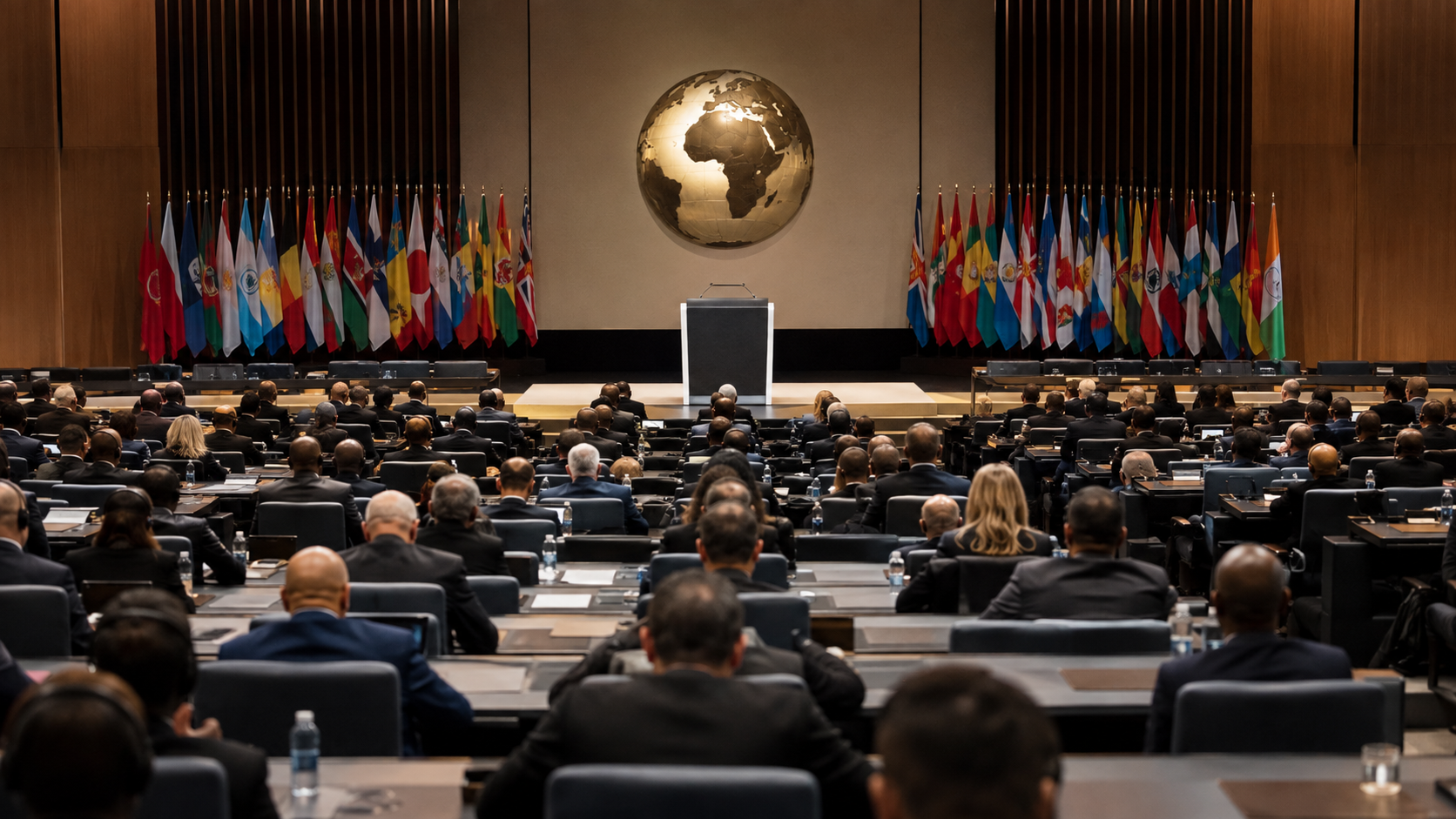
Image credit: AI-generated editorial illustration by Novexa News
FIFA President Gianni Infantino has confirmed that he will seek re-election for a fourth term in March 2027, reaffirming his intention to remain at the helm of world football despite mounting opposition from several regional football confederations.
A FIFA spokesperson said on Sunday that Infantino’s decision to contest the election remained unchanged, confirming that the 56-year-old president would stand for another term. Infantino had initially announced his intention to seek re-election during the FIFA Congress in Vancouver in April. The election is scheduled for March 18, 2027, in Rabat, Morocco.
Infantino, who was first elected FIFA president in 2016 following the resignation of Sepp Blatter, was re-elected without opposition in 2019 and again in 2023. His potential fourth term would extend his leadership through 2031.
What officials reported
His latest announcement comes at a challenging moment for FIFA. Infantino has faced growing criticism following the collapse of a controversial proposal to establish a new entity that would have involved private investment in commercial rights connected to FIFA competitions, including the World Cup. The proposal was withdrawn in July following strong opposition from several stakeholders.
The dispute has created a significant divide within international football. UEFA, the Asian Football Confederation (AFC) and CONCACAF have expressed opposition to Infantino’s leadership, with officials from the three confederations discussing institutional measures and, according to reports, the possibility of a vote of no confidence. Several national football associations have also withdrawn their support for his re-election campaign.
Despite the criticism, Infantino continues to enjoy substantial backing from African and South American football bodies. Confederation of African Football President Patrice Motsepe has argued that FIFA’s 211 member associations should ultimately decide Infantino’s future through the scheduled presidential election. Cameroon Football Federation President Samuel Eto’o has also voiced support for Infantino, particularly praising his efforts to expand opportunities for African football.
Infantino has highlighted FIFA’s investment in football development as one of the major achievements of his presidency. FIFA says it has invested billions of dollars through its FIFA Forward programme, with further increases planned for the 2027–2031 cycle. His administration has also overseen the expansion of the men’s World Cup from 32 to 48 teams, increasing representation for several regions.
How FIFA's election works
FIFA's member associations vote individually in the presidential election, giving each association one vote regardless of the size or commercial strength of its domestic game. That structure makes support across Africa, Asia, the Caribbean and smaller football nations especially important in any contested race.
The campaign is also likely to focus on how FIFA distributes tournament revenue, the costs and benefits of expanded competitions, and the relationship between the governing body and its regional confederations. A declared rival would need to turn institutional criticism into a broad coalition of national associations.
What happens next
The election is therefore expected to become an important test of FIFA’s internal unity and governance. While no formal challenger has yet announced a candidacy, opposition groups have indicated that they are seeking an alternative candidate ahead of the election process.
With Infantino determined to seek another term, the March 2027 election is likely to generate intense debate over FIFA’s leadership, financial governance, distribution of football revenues and the balance of influence among the organisation’s regional confederations.
Frequently asked questions
When is the FIFA presidential election?
The election is scheduled for March 18, 2027, in Rabat, Morocco.
Has a challenger announced a campaign?
No formal challenger was identified in the reporting available when this article was published.
When did Infantino first become FIFA president?
He was first elected in 2016 after the departure of Sepp Blatter.
Source links
Comments
No approved comments yet.