Gambian Women Lead Mangrove Recovery Around Banjul
Trees provide a living for the women, who plant and care for them, and shield the island capital from erosion, flooding
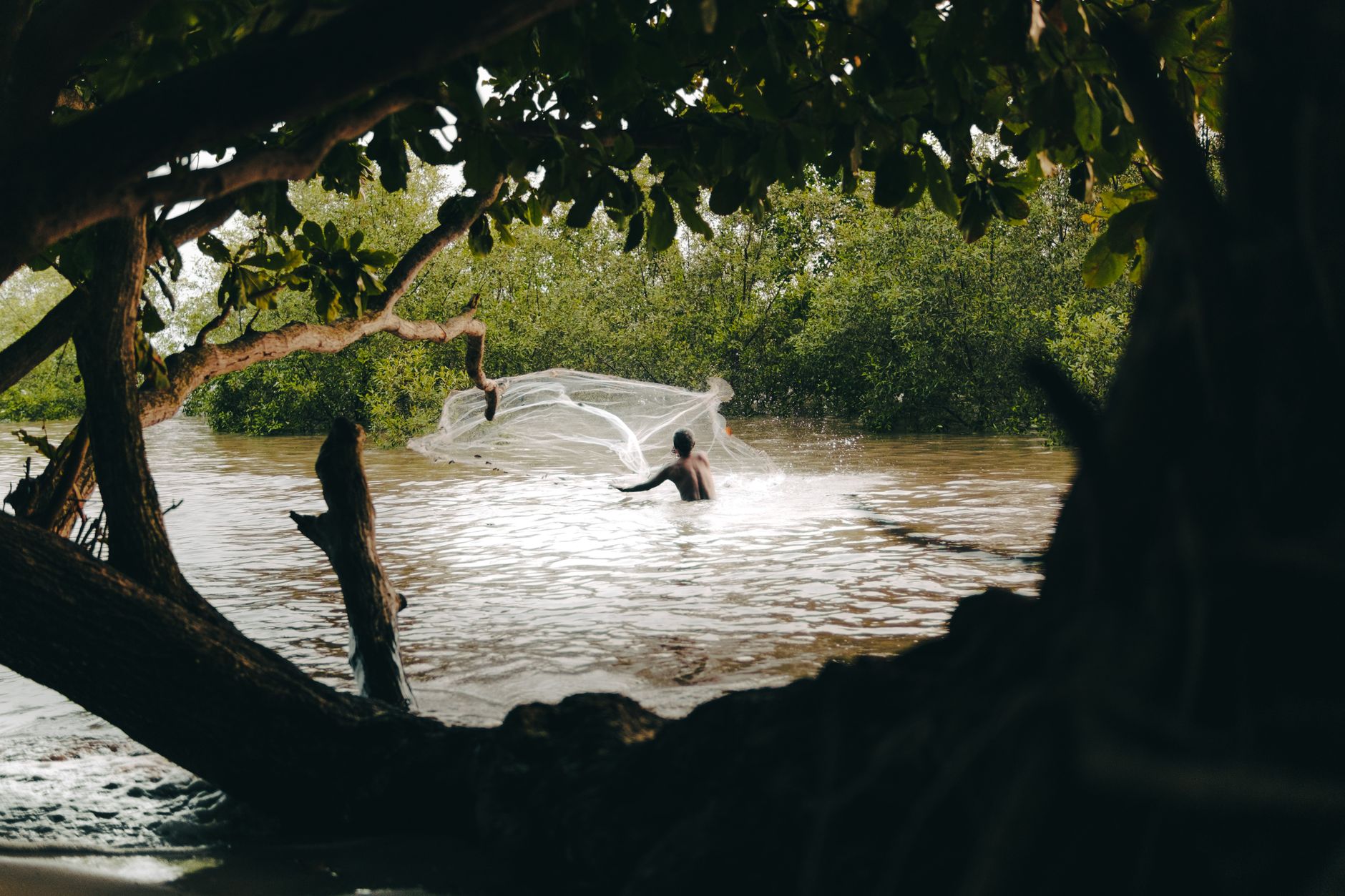
Image credit: Photo by Ihsan Adityawarman on Pexels
Women in The Gambia are taking on a rare blend of work that supports both household income and climate resilience: restoring mangroves around Banjul. According to Al Jazeera, the tree planting effort provides a living for the women involved while also helping shield the island capital from erosion and flooding.
The story highlights how mangroves are more than a coastal feature. Around Banjul, they serve as a natural barrier that can help soften the impact of rising water and shoreline wear. At the same time, the work of planting and caring for the trees offers women a practical livelihood tied directly to the health of the local environment.
A livelihood rooted in conservation
The effort described by Al Jazeera shows how environmental restoration can support communities that depend on coastal land and water. By planting and tending mangroves, the women contribute to a system that protects the shoreline while also creating income opportunities through their labor.
That connection between work and protection is central to the project. Rather than treating conservation as a separate goal, the mangrove restoration around Banjul appears to link economic survival with environmental stewardship.
Why mangroves matter for Banjul
Mangroves are often valued for the way they stabilize coastlines and reduce the effects of flooding. In low-lying places such as Banjul, that protection can be especially important. The source report indicates that the trees help shield the island capital from erosion and flooding, underscoring their role as a natural defense system.
For communities living near vulnerable shorelines, restoring mangroves can be a practical response to environmental pressure. It can also support long-term resilience by helping maintain land that might otherwise be lost to water damage.
Women at the center of the work
The report places Gambian women at the center of the restoration effort. Their role is not limited to planting. They also care for the mangroves, showing that the process requires ongoing attention rather than a one-time intervention.
That steady involvement matters because young mangroves need time and care to grow into a protective barrier. The women’s work therefore has both immediate and longer-term value: it provides income now and helps strengthen the coastline over time.
What the Al Jazeera report adds
Based on the available feed details, the Al Jazeera report focuses on a local example of environmental adaptation in The Gambia. It connects women’s livelihoods with the restoration of mangroves and the protection of Banjul, offering a clear picture of how community-led action can support coastal resilience.
The broader takeaway is simple: when mangrove restoration is maintained, it can serve people and place at the same time. In Banjul, that means supporting women’s work while helping defend the capital against erosion and flooding.
As coastal communities face growing environmental pressures, the Gambian example shows how traditional nature-based protection can remain highly relevant. The women restoring mangroves around Banjul are doing more than planting trees. They are helping preserve a shoreline that communities depend on.
FAQ
What are the women in The Gambia doing?
They are planting and caring for mangroves around Banjul.
Why are mangroves important in Banjul?
According to Al Jazeera, they help protect the island capital from erosion and flooding.
How does the work support the women?
The trees provide a living for the women who plant and care for them.
Comments
No approved comments yet.