China Threatens Retaliation as U.S. Moves to Block Robot Imports
China has warned it could retaliate if Washington follows through with restrictions on new robot imports, turning robotics into another flashpoint in the wider U.S.-China technology race.
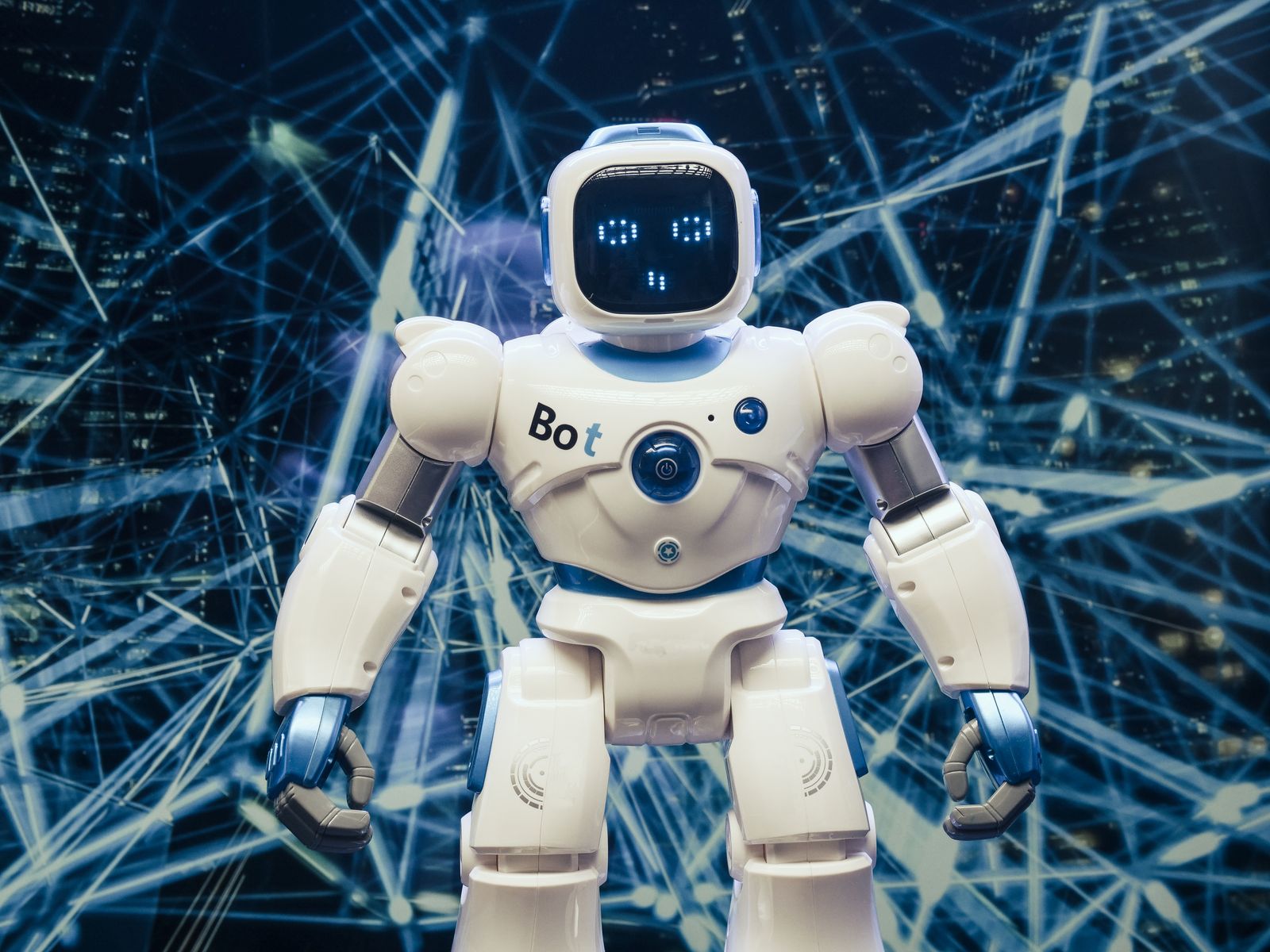
Image credit: Pexels
China has warned that it could retaliate if the United States follows through with restrictions on new robot imports, escalating a technology dispute that now reaches beyond chips, drones and electric vehicles into advanced robotics.
The warning came after the U.S. Federal Communications Commission moved to restrict imports of foreign-made humanoid robots, quadruped robots and some power inverters, citing national security and supply-chain risks. Washington argues that connected robotic systems can collect data, interact with sensitive environments and potentially be remotely compromised if the hardware or software comes from suppliers considered risky.
Beijing rejected that framing. China's commerce ministry accused the United States of stretching the definition of national security and discriminating against Chinese companies. It urged Washington to withdraw the measures and said China would protect its rights and interests if the restrictions remain in place.
The fight matters because robotics is becoming a central part of the next industrial race. Humanoid machines, four-legged inspection robots and automated warehouse systems are still developing, but governments already see them as strategically important. They can be used in factories, logistics, elder care, emergency response, construction, security and military-adjacent environments. That makes the sector commercially attractive and politically sensitive at the same time.
For the United States, the concern is partly about data and partly about dependence. Officials have argued that advanced robots may operate in homes, factories, power facilities or workplaces where cameras, sensors and wireless systems could gather information. Power inverters, which help convert electricity in solar, data-center and grid systems, are also being treated as critical infrastructure because failures or malicious interference could disrupt wider systems.
For China, the proposed restrictions look like another attempt to slow its technology companies just as they are gaining ground. Chinese firms have become major players in robotics manufacturing, including humanoid and quadruped machines that have attracted attention at technology conferences and industrial exhibitions. Analysts have also noted that China controls important parts of the robotics supply chain, from components to assembly capacity.
That supply-chain reality complicates Washington's policy. A ban may reduce direct access to some Chinese-made machines, but it does not instantly create a full domestic alternative. U.S. buyers in logistics, manufacturing, research and commercial automation may face fewer options or higher costs if restrictions broaden before replacement suppliers are ready.
The dispute also comes as both countries are using trade tools more aggressively. The United States has tightened controls on Chinese technology in several sectors, while Beijing has shown it can respond through export controls, regulatory pressure or limits on access to key materials and markets. Robotics could become another area where businesses are forced to plan around political risk as much as product performance.
For consumers, the immediate effect may be limited because the restrictions focus on new models and higher-risk connected devices rather than products already in use. But the broader direction is clear: devices that can move, see, listen, connect to networks and operate near people are no longer being treated as ordinary electronics.
The next step will depend on whether Washington finalizes and enforces the restrictions as proposed, and whether Beijing responds with symbolic criticism or concrete countermeasures. If both sides harden their positions, robotics companies may face a more fragmented global market, with separate supply chains, compliance rules and product approvals for different regions.
The larger lesson is that the U.S.-China technology rivalry is moving into physical AI. Robots are not just software in metal bodies; they combine sensors, chips, mobility, cloud systems and industrial data. That combination is exactly why governments see opportunity, and exactly why they see risk.
Source links
Comments
No approved comments yet.
Related Articles
 Warner Bros. Lawsuit Accuses Amazon of Illegally Poaching Executives
 Kalshi Demands Netflix Take Down Trailer for 'Prediction Games' Documentary
 Elon Musk's Boring Company Reportedly Raising Funding at a $20 Billion Valuation