British Columbia Emergency as 20,000 Flee Wildfire
British Columbia declared a province wide emergency after the Bald Range wildfire forced more than 20,000 people from communities near Okanagan Lake.
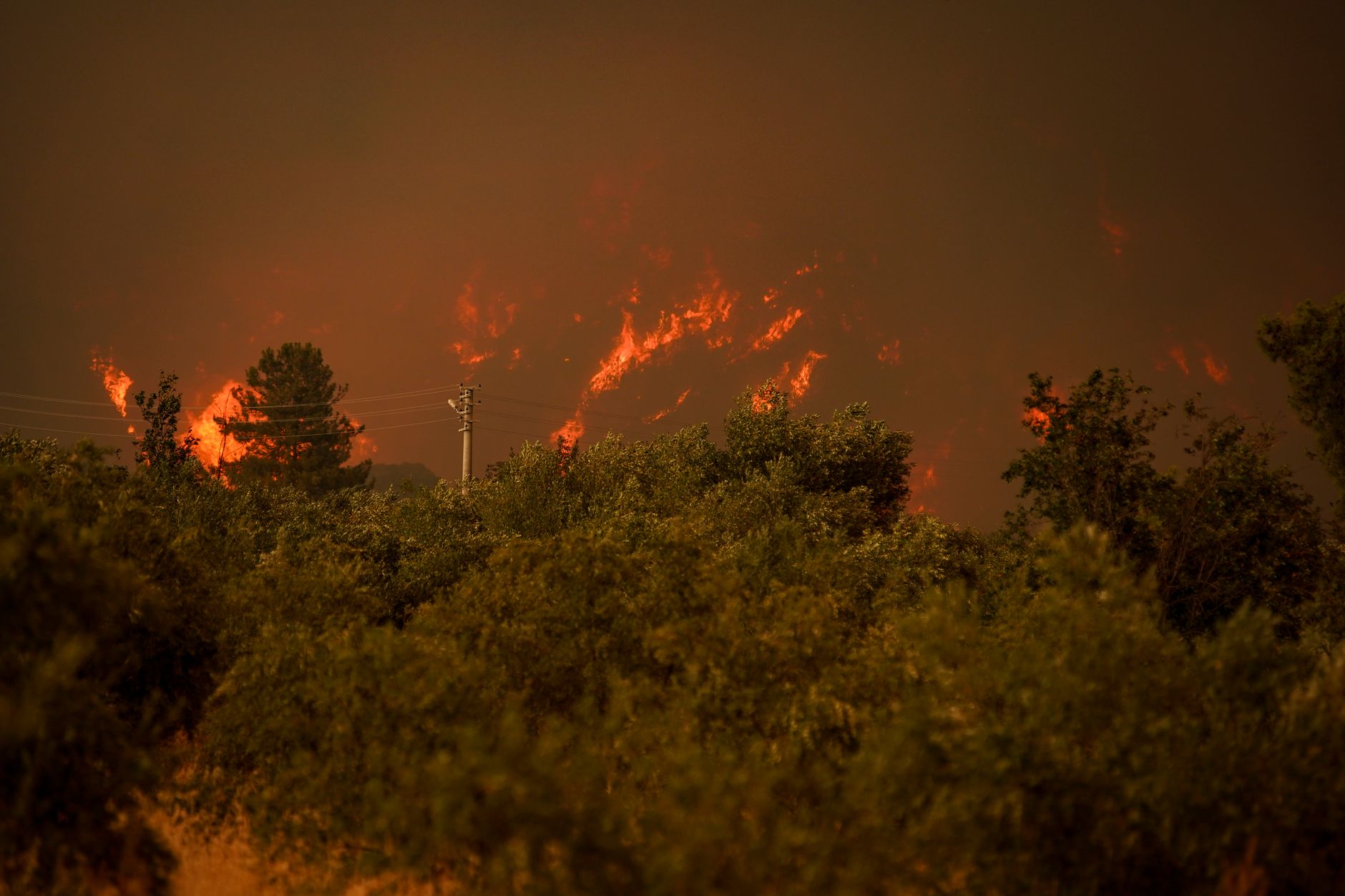
Image credit: Photo by Özgür Sürmeli on Pexels
British Columbia declared a province wide state of emergency after the rapidly expanding Bald Range wildfire forced more than 20,000 people to leave communities around Okanagan Lake and destroyed an unknown number of homes.
The fire was first reported on Friday evening and accelerated overnight as strong winds drove flames toward Summerland and nearby areas. By Saturday, evacuation orders covered Summerland, which has about 12,000 residents, as well as approximately 8,000 people in and around Peachland.
Premier David Eby described the reports from the South Okanagan as devastating and confirmed significant losses of homes and other property. Officials said the fire zone remained too dangerous for a complete damage assessment, while rapidly changing conditions left some residents unable to escape by road.
Bald Range wildfire expands within hours
The Bald Range wildfire developed with unusual speed. An earlier official estimate placed the burned area near 9,500 hectares, or about 23,500 acres. Updated reporting on Saturday put the fire above 100 square kilometres, equivalent to more than 10,000 hectares, after it moved roughly 15 kilometres toward Okanagan Lake within hours.
Fire perimeter information showed the blaze crossing areas containing homes north of Summerland before reaching the lake. Authorities have not yet released a final count of destroyed or damaged structures because firefighters and emergency crews remain focused on protecting lives and responding to changing fire behaviour.
The speed of the advance affected residents and emergency personnel alike. Roads became congested as thousands attempted to leave, and some evacuation routes became unsafe. Sections of Highway 97 were closed or controlled as police and transportation officials redirected vehicles away from threatened areas near Penticton and the Okanagan corridor.
Aircraft used to rescue trapped residents
Dozens of people were rescued by aircraft after the fire cut off road access in some locations. The air operations became necessary when shifting winds and the expanding perimeter left residents isolated behind dangerous sections of the fire.
Emergency officials have repeatedly warned people not to delay when an evacuation order is issued. Conditions can change faster than road networks can handle, particularly in communities with limited routes around lakes, mountains and forested terrain.
Residents under an evacuation order should follow directions from local governments, EmergencyInfoBC and the Royal Canadian Mounted Police. People who have left their homes can register with Emergency Support Services to receive information and assistance. Provincial authorities have also encouraged residents across British Columbia to register with the service before an emergency reaches their community.
Province wide emergency supports a larger response
The state of emergency allows British Columbia to coordinate resources and emergency measures across provincial and local agencies as the wildfire situation develops. It also gives officials greater flexibility to support evacuations, transportation controls, emergency accommodation and firefighting operations where local capacity is under pressure.
The Bald Range fire is the most urgent part of a wider provincial emergency. More than 100 wildfires were burning across British Columbia when the declaration was made, with nearly half classified as out of control. Hot weather, strong winds and prolonged drought have created difficult conditions across large parts of the province.
The BC Wildfire Service warned before the peak summer period that parts of the Southern Interior had experienced below average precipitation and snowpack alongside above average spring temperatures. Those conditions left deeper forest fuels unusually dry and increased the potential for vigorous fires that are difficult to control.
Wildfire activity typically reaches its highest level during July and August. The combination of dry vegetation, heat and wind can turn a newly detected fire into a direct threat to communities within a short period, as the Bald Range fire demonstrated.
Damage assessment will take time
Authorities have confirmed significant structural losses but have not provided a reliable total. Damage assessment teams generally cannot enter affected neighborhoods until fire behaviour eases and officials determine that roads, power lines, trees and buildings are safe enough to inspect.
The immediate priorities remain evacuation, rescue operations and protection of critical infrastructure. Emergency crews must also manage smoke, disrupted transportation and the needs of people who may be unable to return home for an extended period.
Residents outside evacuation zones have been asked to avoid affected roads and follow official updates rather than travel toward the fire area. Keeping routes clear is important for fire engines, police, ambulances and vehicles moving evacuees to reception centres.
What residents should watch next
The size and direction of the fire may continue to change as weather conditions shift. Updated evacuation orders, alerts and road closures should be checked through EmergencyInfoBC, the BC Wildfire Service, DriveBC and the relevant local government.
Officials will also be watching wind strength, humidity and the possibility of cooler or wetter conditions that could help crews establish control lines. Until fire behaviour becomes less intense, authorities may be unable to confirm the full extent of property losses or provide a timetable for residents to return.
For families displaced from Summerland, Peachland and surrounding communities, the emergency is already deeply personal. The province has mobilized additional powers and resources, but the Bald Range wildfire remains active and the next phase of the response will depend heavily on weather, access and the ability of crews to protect threatened areas.
Source links
Comments
No approved comments yet.