Alaska Storms Uncover Lost Artifacts: Archaeologists Race to Recover
In the wake of an Alaska storm, archaeologists race to save artifacts revealed by the typhoon's impact on a historical dig site
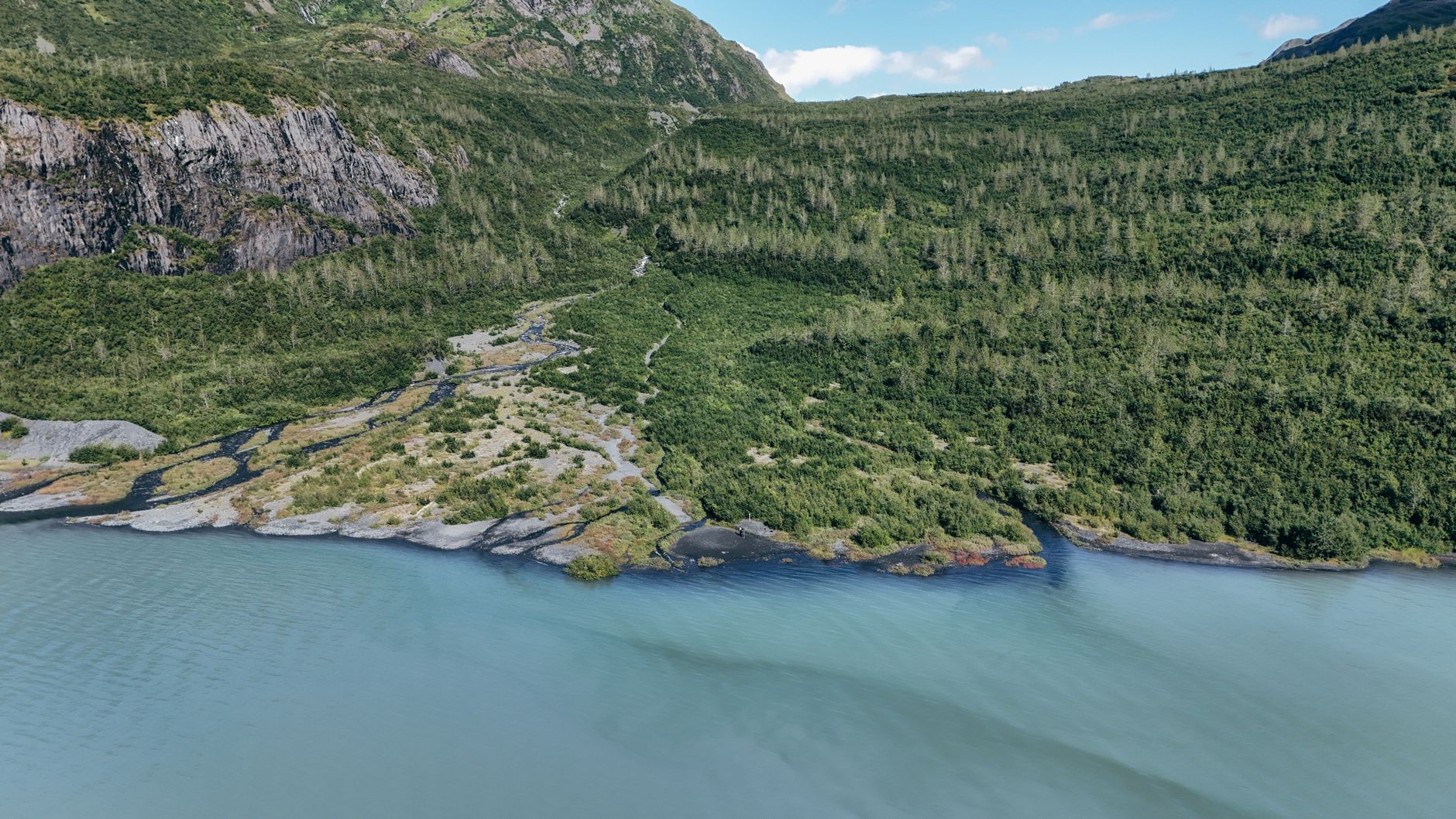
Image credit: Photo by David Yu on Pexels
Introduction
In the aftermath of a recent Alaska storm, archaeologists are racing to salvage invaluable artifacts at a historical dig site affected by last year's typhoon. The storm not only damaged homes and infrastructure but also unearthed significant historical remnants that could provide insight into the region's cultural heritage.
Key Developments
The remnants of Typhoon Halong, which swept through Alaska last year, have left a trail of destruction and discovery. Homes and roads suffered extensive damage, but the storm also scattered artifacts from an archaeological dig site near Quinhagak. These findings now present both an opportunity and a race against time for local archaeologists focused on preserving the artifacts before further storms hit.
Researchers emphasize the importance of these items, which could illuminate aspects of the region's Indigenous history and heritage. The urgency to recover these objects is underscored by the unpredictable weather patterns in Alaska, where storms can form quickly and wreak havoc over vulnerable sites.
Background
The site in question has been a focal point for archaeological studies, revealing artifacts that date back centuries. Prior excavations have unearthed tools, pottery, and other items indicative of the lives of the Indigenous peoples of the area. The recent storms have not only disrupted the physical location of these artifacts but have also complicated ongoing research efforts.
Historically, Alaska's remote locations pose challenges for both preservation and study due to harsh weather conditions and limited access. As climate change continues to exacerbate these issues, artifacts like those unearthed during the storm become increasingly endangered. This situation highlights the intersections of climate science and archaeology, showcasing how changing weather patterns can unearth ancient history while simultaneously threatening it.
Impact on Local Communities
The effects of the storm reach beyond the archaeological implications. Local communities depend on this rich heritage for cultural identity and tourism. Protecting these artifacts is crucial not just for academic purposes but also for preserving local traditions and history.
Moreover, the involvement of community members in archaeological efforts fosters a sense of ownership and pride in their heritage. Archaeologists working alongside locals to recover and protect these artifacts can strengthen community ties and promote greater awareness of the importance of cultural preservation.
Future Prospects
With the looming threat of additional storms, the urgency for archaeologists to act is palpable. Teams are already on the ground, working diligently to document and recover what they can before the weather takes another turn. Their efforts will determine whether these artifacts can be preserved or lost to time and nature.
The situation in Alaska serves as a compelling case study on the delicate balance between natural forces and human preservation efforts. As archaeological practices adapt to the contemporary challenges posed by climate change, the situation also calls attention to the need for wider discussions about preserving cultural heritage in rapidly changing environments.
Conclusion
The scattered artifacts left in the wake of the Alaska storms are more than just historical remnants; they are a call to action for both archaeologists and local communities. As the race against time continues, the outcomes will not only shape our understanding of the past but also influence how communities engage with their cultural heritage in the future. With each storm, the urgency of preservation becomes clearer, making it essential to support efforts that safeguard these vital pieces of history.
Source links
Comments
No approved comments yet.