Kyiv Shakeup Follows High-Stakes Clash Over War Strategy
President Volodymyr Zelensky has dismissed his top military commander following a bitter public feud over defense procurement and the future of drone-led warfare, triggering significant civil unrest across Ukraine
The Dismissals That Ripped Through Kyiv
President Volodymyr Zelensky has removed his top military general, Oleksandr Syrskyi, from command. This decision arrived just one week after the firing of Defense Minister Mykhailo Fedorov. The sudden leadership purge follows a period of intense public infighting that has unsettled a nation that recently enjoyed a streak of battlefield successes. According to reporting from The New York Times, the dismissals were the result of a fundamental breakdown in the chain of command.
For much of the summer, Ukraine appeared to be gaining significant ground. Forces were striking targets in Moscow, hitting Russian vessels in the Black and Azov Seas, and securing substantial financial backing from the European Union. However, this momentum has been severely hampered by internal discord. The central conflict pitted the 35-year-old Fedorov, who championed a vision of robot-warfare and drone integration, against the 60-year-old Syrskyi, a commander committed to the conventional, labor-intensive trench warfare that has characterized the eastern front.
A Conflict of Generations and Strategy
The tension escalated when Fedorov blocked critical artillery ammunition shipments to prioritize the procurement of drones. Syrskyi argued that the artillery was essential for the brutal reality of current combat conditions. When Fedorov did not relent, he moved his grievances into the public sphere. During a press conference, he accused the military leadership of strategic shortsightedness, alleging that high-ranking officers were stifling promising junior commanders and actively resisting the technological shift necessary to win the war.
Fedorov further claimed that his efforts to tackle rampant corruption in defense procurement had turned powerful figures against him. The public confrontation forced a fracture in the wartime unity that has defined the Ukrainian resistance against Russian forces. This friction between an innovator and a traditionalist general created a climate where observers and soldiers alike began to question the military’s direction at a critical juncture.
Street Protests and Political Fallout
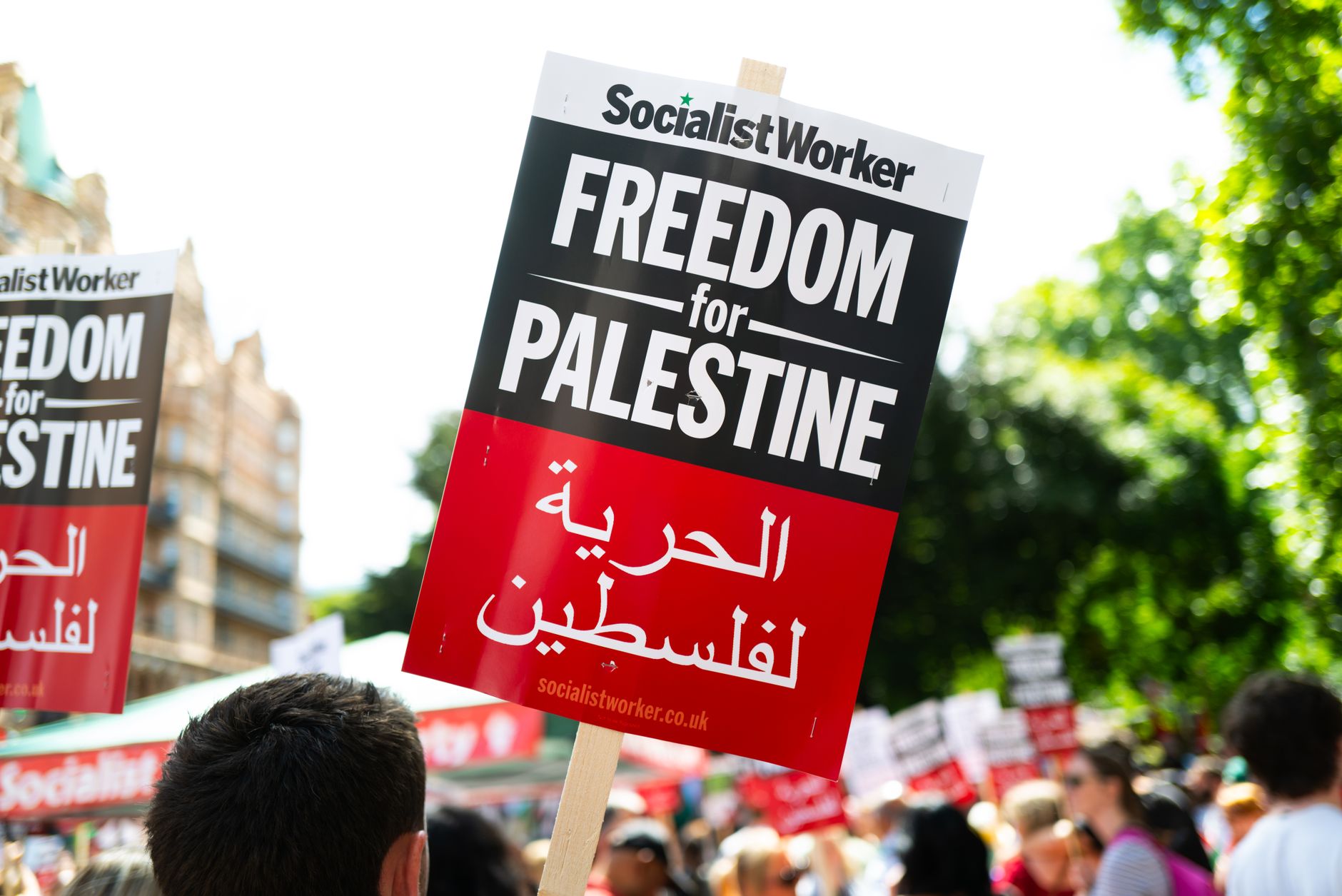
Following the dismissal of Fedorov, thousands of citizens took to the streets. The protests were initially focused on supporting the outgoing defense minister, but they quickly evolved into a broader demand for the removal of Syrskyi. In Kyiv, participants included veterans and active-duty soldiers who carried signs comparing the aging military establishment to a degenerative force in contrast to Fedorov’s technological approach. One protester even displayed a cardboard cutout of Fedorov to draw cheers from the assembled crowd.
Ukrainian leaders have historically been sensitive to mass demonstrations, which have previously toppled governments. Understanding the optics of the situation, Zelensky engaged in urgent video calls with military commanders to gauge the mood of the forces. The removal of Syrskyi on Tuesday was seen by many as a concession to the protesters. Analysts suggest that the rift became public precisely because of the battlefield successes the country had enjoyed, which emboldened advocates for high-tech warfare to push back against the military establishment.
The Path Forward With New Leadership
The choice of a successor may soothe some of the anger currently present in the streets. Zelensky has appointed Mykhailo Drapatyi, a 43-year-old decorated commander, to replace Syrskyi. Drapatyi is widely regarded as a strategic choice who had previously signaled his support for Fedorov’s vision during the height of the conflict. By choosing a leader who aligns with the tech-first perspective, Zelensky is attempting to restore a sense of cohesion within the ranks.
Volodymyr Yermolenko, editor of a culture and politics magazine, warned that the risks of such internal divisions are severe. History has shown that internal fracturing is often more dangerous to the war effort than the external pressure from an adversary. The goal for the new leadership is to merge the necessary high-tech innovation with the operational realities of the battlefield. The government now faces the difficult task of reuniting a military and a public that were, until recently, aligned in their singular pursuit of victory against Russian forces.
Source links
Comments
No approved comments yet.