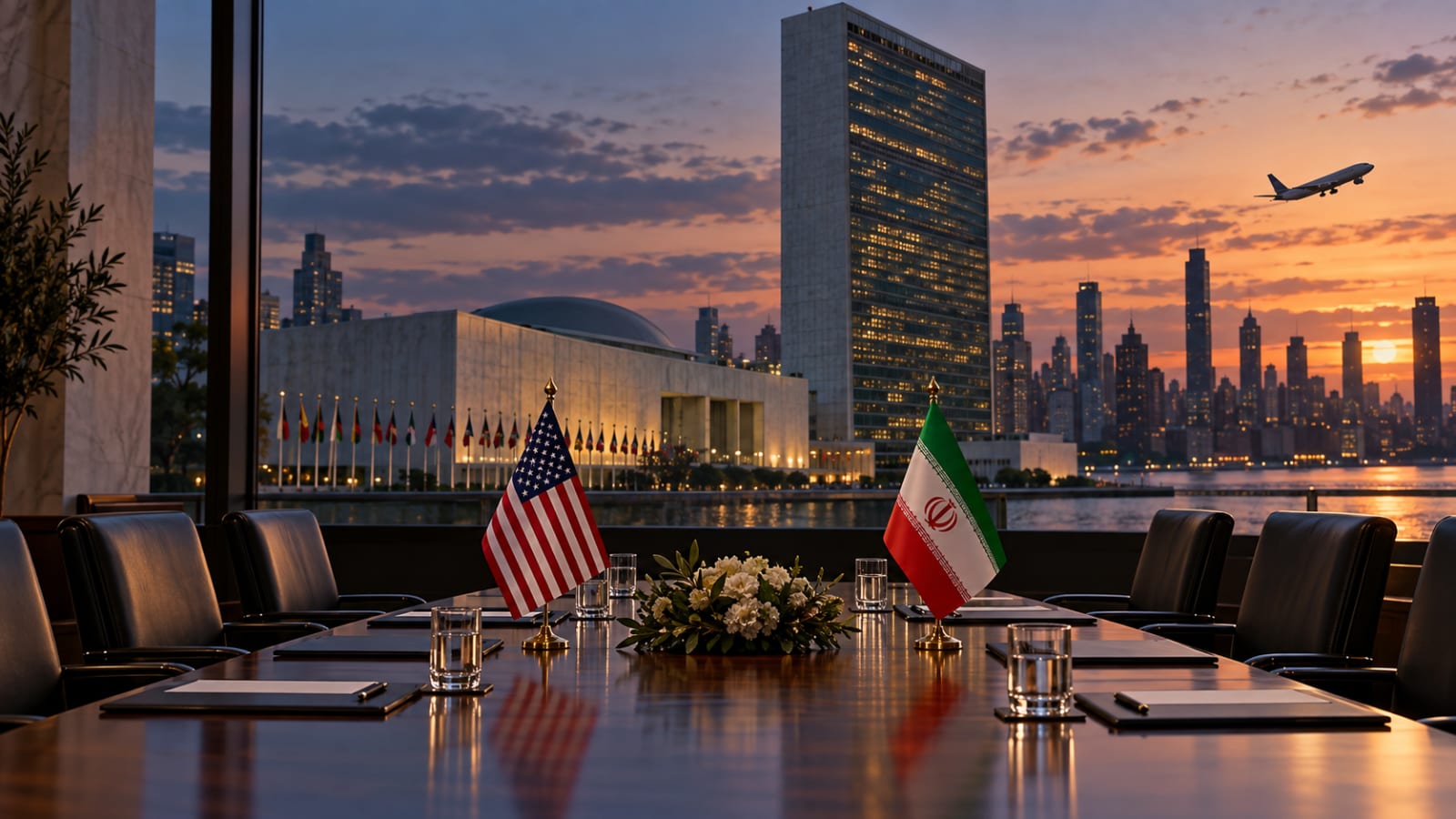
Trump Rejects Iran's Hormuz Proposal, Military Action Looms
On 2 October, Trump dismissed Iran’s Hormuz offer, warning of potential military strikes while emphasizing ongoing tension. Find out more about the implications
PRESIDENT Donald Trump has firmly rejected Iran's proposal to reopen the pivotal Strait of Hormuz, describing it as 'simply not enough.' Speaking during an interview on 2 October with Time Magazine, Trump emphasized the possibility of military actions against Tehran after the upcoming midterm elections, indicating that lasting peace with Iran remains a distant prospect.
The Context of Trump's Rejection
In Trump's view, aspects of the Iranian proposal seemed inadequate, reinforcing his stance that he would not approve any agreements that do not align with his administration's objectives. Trump stated, 'Because things that I wouldn’t have approved a year ago I wouldn’t have today.' This reflects his broader strategy of maintaining pressure on Iran amid ongoing tensions over its nuclear program and aggressive regional policies.
Historical Tensions
- Iran has long threatened to close the Strait of Hormuz, a vital waterway for global oil shipments.
- Trump's administration has previously responded to these threats with a show of military force, asserting, 'I said, “Well, if you close it, you’re going to have big trouble.” We took it over.'
His comments indicate a willingness to enforce a strict military presence in the region to deter Iranian aggression.
Implications of Ongoing Military Threats
Trump's remarks suggest a potential escalation of conflict. He noted that the US could still engage in airstrikes, saying, 'Post-midterm bombings remain possible, adding, 'We have a lot of weapons.' This statement serves as a warning to Iran about the consequences of its actions in the region.
Pentagon Reports and Military Preparedness
While addressing Pentagon reports of munitions shortfalls linked to Operation Epic Fury, Trump dismissed claims of being underprepared as 'mostly fake news', asserting that the US is currently replenishing its arsenals to unprecedented levels.
- He highlighted that this includes new stockpiles and an enhanced military focus on deterrence.
- The discussion around military readiness intensifies as sanctions on Iran become a key tool for the US to counter Tehran’s influence.
Response from Iran
Iranian President Masoud Pezeshkian addressed the situation, emphasizing Tehran's defense capabilities but signaling openness to dialogue. He stated, 'We defend the rights of our society with dignity and pride… we have never run away from dialogue.' This indicates an underlying desire for diplomatic avenues despite the heightened rhetoric.
Sanctions and Global Reactions
As tensions escalate, the US has imposed new sanctions targeting Iran’s key industries, including:
- The automotive sector, represented by Iran Khodro Company and SAIPA.
- The state-owned Islamic Republic of Iran Railways and affiliated companies.
US Treasury Secretary Scott Bessent described these sanctions as essential for reducing Iran’s financial resources for military operations, aiming to constrict funding for its regional activities.
Conclusion
The geopolitical landscape surrounding the Strait of Hormuz remains fraught with tensions as both the US and Iran prepare for possible confrontations. Trump's rejection of Iran's overtures signifies a hardline approach, with military options still on the table, setting the stage for a contentious period in US-Iran relations post-midterms. As both nations navigate this complex web of threats and negotiations, the international community will be closely monitoring any developments.
Source links
Comments
No approved comments yet.