Oil Prices Rise as Trump Warns Iran Trading Partners of Sanctions
Oil prices rose on Friday after US President Donald Trump warned that countries trading with Iran could face additional economic sanctions, adding a fresh layer of uncertainty to already tense global energy markets…

Image credit: AI-generated editorial image
Oil prices rose on Friday after US President Donald Trump warned that countries trading with Iran could face additional economic sanctions, adding a fresh layer of uncertainty to already tense global energy markets.
What moved the market
International and US crude futures gained as traders weighed the possibility that Washington could increase pressure on Iran's remaining trading partners. The Reuters report, carried by Yahoo Finance, said the threat raised expectations of tighter supply in the coming weeks. The market reaction was not only about Iran's current export volumes. It was also about the risk that sanctions, shipping restrictions and regional tension could make barrels harder or more expensive to move.
Iran sanctions return to the centre
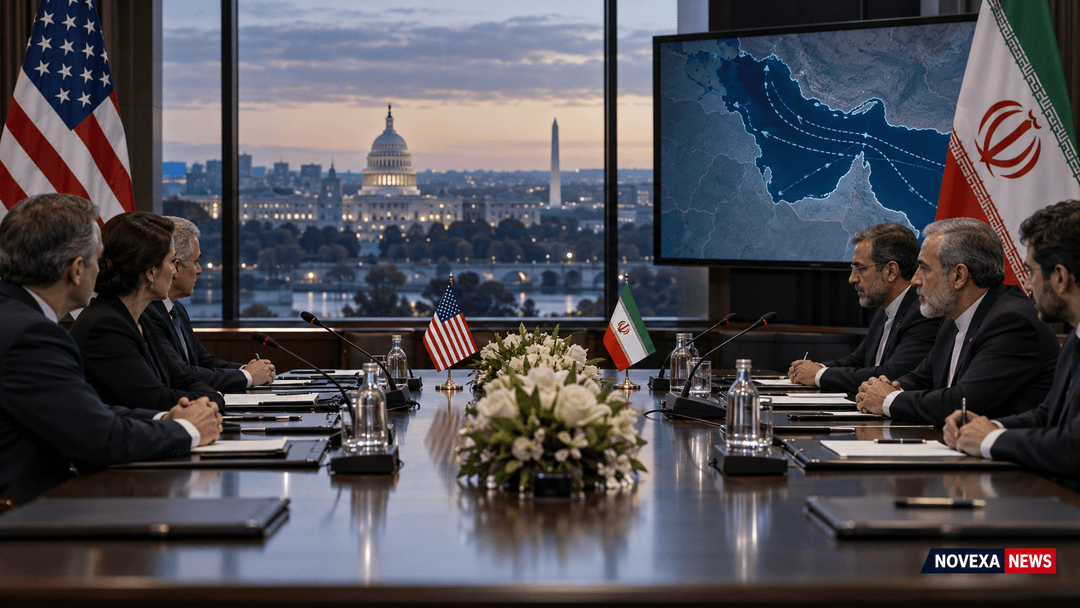
Trump's warning revived concerns that secondary sanctions could hit countries or firms still doing business with Tehran. Iran's oil exports have already been under pressure, and any additional restrictions would make buyers more cautious. Analysts quoted in market coverage have noted that sanctions may not dramatically change Iran's already constrained export position, but even a limited escalation can shift sentiment when supply chains are nervous.
Hormuz remains the pressure point
The Strait of Hormuz is still the key geography behind the story. Before the latest conflict cycle, the waterway handled about one-fifth of global oil and liquefied natural gas flows. That makes every disruption there feel bigger than a normal regional dispute. Ship-tracking data cited by Reuters showed only seven commodity ships moving through the strait on Thursday, roughly half the previous day's count, keeping attention fixed on whether traffic can recover.
Why traders are cautious
Energy markets dislike uncertainty as much as they dislike lost supply. If vessels avoid a route, insurers raise risk premiums or buyers delay cargoes, prices can move even before physical shortages appear. That is why the sanctions warning mattered. It suggested that the economic pressure campaign around Iran could continue even without a new military escalation, leaving refiners and importers to plan around unstable shipping and compliance risks.
Alternative supplies offer some relief
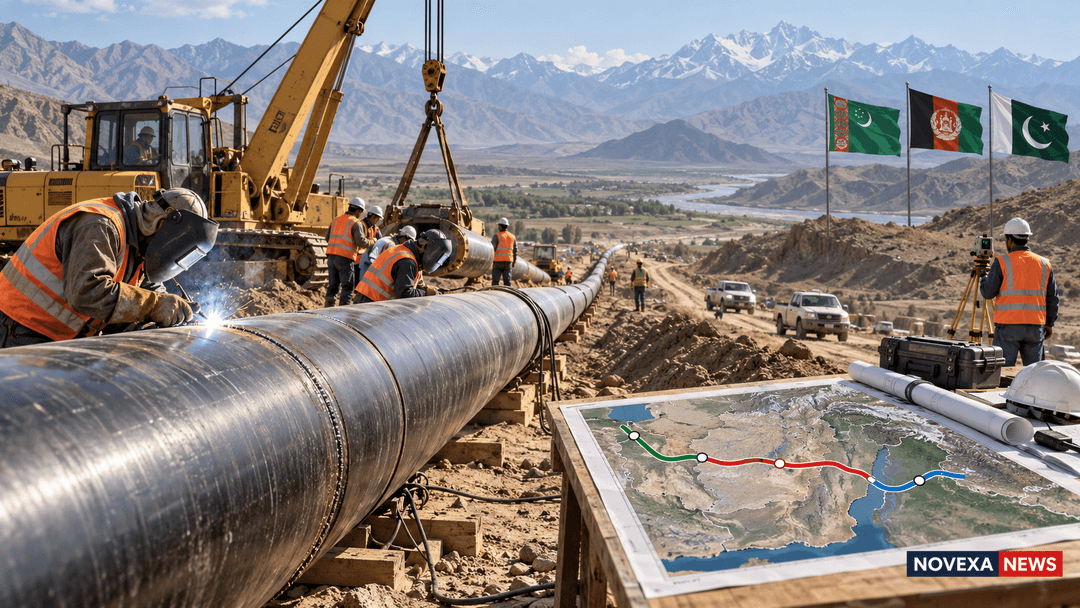
The market is not without buffers. The DOCX source notes that pipelines, US shale output, flexible producers and additional shipping routes can help soften pressure. Some producers outside the immediate conflict zone can respond more quickly than others, and traders often redirect cargoes when one route becomes risky. Still, alternatives do not fully replace the speed, scale and convenience of normal Gulf flows through Hormuz.
Regional and global spillover
The pressure is not limited to Iran. Production and export trends from major Gulf producers such as Saudi Arabia, Iraq, the United Arab Emirates and Kuwait also shape the mood. The report also pointed to a separate supply-risk headline from Ukraine, where President Volodymyr Zelenskyy said Ukrainian forces hit a Russian oil refinery in Perm, far from Ukraine's border. For oil traders, these separate flashpoints can combine into a broader risk premium.
What to watch next
The next signals will come from shipping data, sanctions guidance and buyer behaviour. If more vessels move through Hormuz and Iranian cargo offers stabilise, some of the risk premium could ease. If traffic remains thin or Washington names specific trading partners for penalties, buyers may move faster to secure alternative barrels. That would keep prices sensitive to every diplomatic statement from Washington and Tehran.
For consumers, the most visible effect of a sustained rally would be higher fuel and transport costs. For governments, the challenge is harder: keep energy flowing while avoiding a wider confrontation. The latest price move shows that markets are no longer watching sanctions, shipping and diplomacy as separate stories. In the oil market, they are now part of the same calculation.
Source links
Comments
No approved comments yet.