NASA Pushes a New Wing Design Past Its Breaking Point, On Purpose
NASA researchers put a new long, thin, lightweight wing design through grueling structural tests to find its limits, and came away encouraged by the wing's potential.
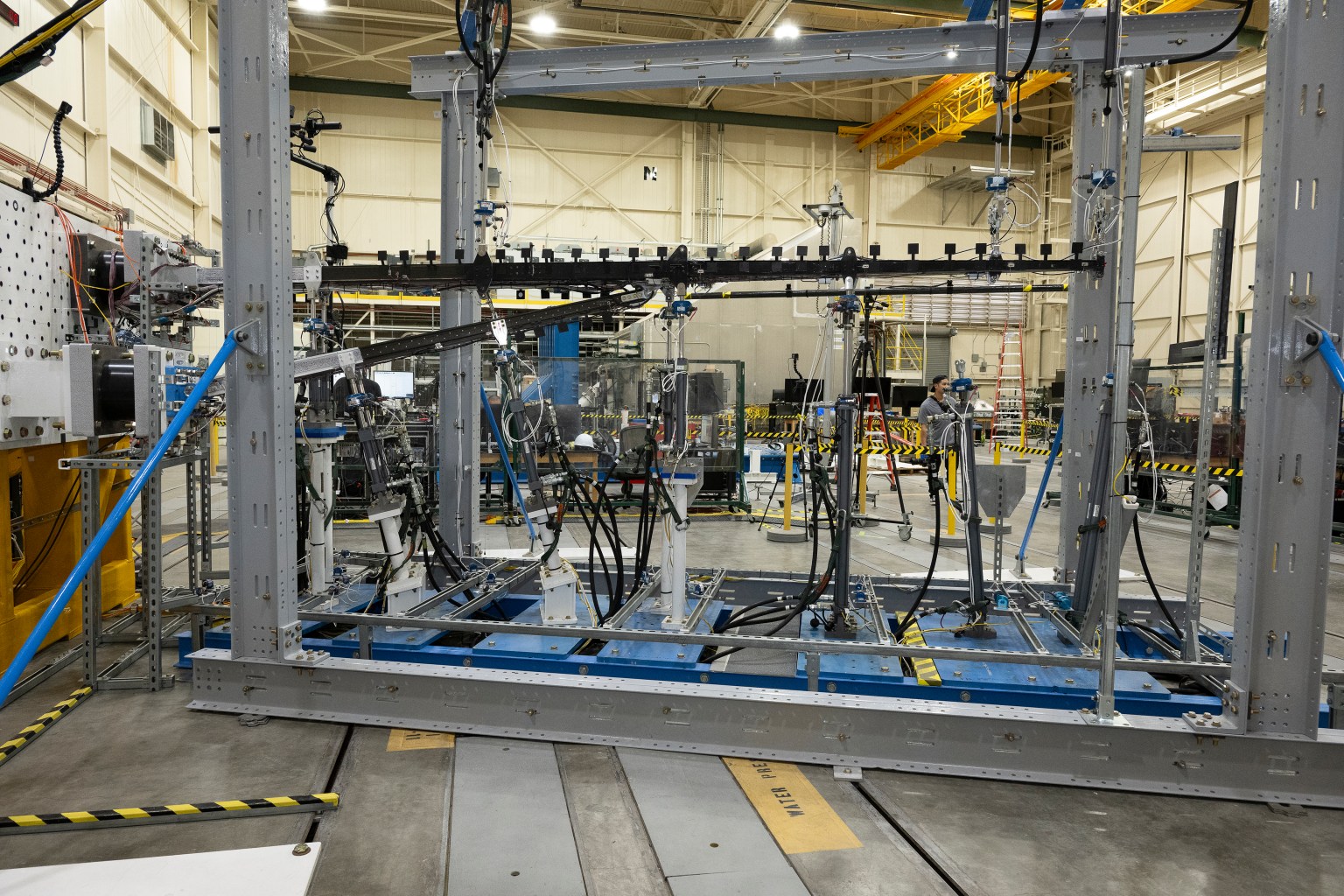
Finding out exactly how much stress a new aircraft wing can take before it fails is not an accident, it is the entire point of the test. NASA researchers recently put a new wing design through exactly that kind of deliberate, grueling structural testing, and came away encouraged by what they found.
A Long, Thin, Lightweight Design
The wing in question is notable for its shape and structure: long and thin, with a lightweight structural design that departs from the shorter, sturdier wing profiles common on many existing aircraft. That kind of long, slender wing geometry typically offers real aerodynamic efficiency benefits, better lift-to-drag performance that can translate into meaningful fuel savings, but it also raises structural engineering challenges, since longer, thinner wings generally have to work harder to resist bending and flexing forces than shorter, stockier designs.
Why You Deliberately Break Things To Learn From Them
Structural testing to find a design's limits is a standard, essential part of aerospace engineering, even though it sounds counterintuitive to intentionally push a wing toward failure. Engineers need to know precisely how much stress a structure can handle, and exactly how it behaves as it approaches that limit, before the design is ever cleared for use on an aircraft carrying passengers or cargo. Discovering a wing's actual failure point in a controlled ground test is far preferable to discovering it unexpectedly during flight.
What The Results Suggested
NASA's researchers came away from the grueling test series encouraged about the wing's potential, even in cases where the design was pushed toward its structural limits. That kind of outcome, a design holding up well even under deliberately extreme test conditions, is exactly the signal engineers look for before advancing a new concept toward the next stage of development, whether that is more advanced testing, subscale flight trials, or eventual integration into a full aircraft design.
Why Lightweight, Efficient Wings Matter So Much Right Now
Aircraft efficiency has become an increasingly central focus across the aviation industry, driven by fuel costs, environmental pressure and the basic economics of running airline fleets profitably. Wing design sits near the center of that efficiency equation, since a lighter, more aerodynamically efficient wing can meaningfully reduce fuel burn across an aircraft's operating life. A structurally sound long, thin wing design that also proves durable under stress testing represents exactly the kind of advance the industry has real incentive to pursue.
What Comes Next
Positive results from structural limit testing typically open the door to further development rather than immediate real-world deployment. Expect this wing design to move through additional testing phases, likely including further ground trials and eventually flight testing on a subscale or full-scale platform, before any version of the concept could realistically make its way toward commercial or NASA aircraft applications.
That measured, step-by-step path from ground test to flight test to potential real-world application is deliberate. Aerospace engineering has little tolerance for shortcuts when a structure's failure point is involved, and NASA's approach here, pushing the design hard on the ground first, is precisely the kind of caution that keeps ambitious new concepts like this one from ever reaching an aircraft before they are genuinely ready.
Comments
No approved comments yet.