Iran Warning Raises Gulf Energy Security Risks
Iran has warned that US-linked energy interests across the Gulf could be vulnerable if attacks on Iranian assets continue, deepening concern over shipping, oil supplies and the fragile security balance around the Strait…
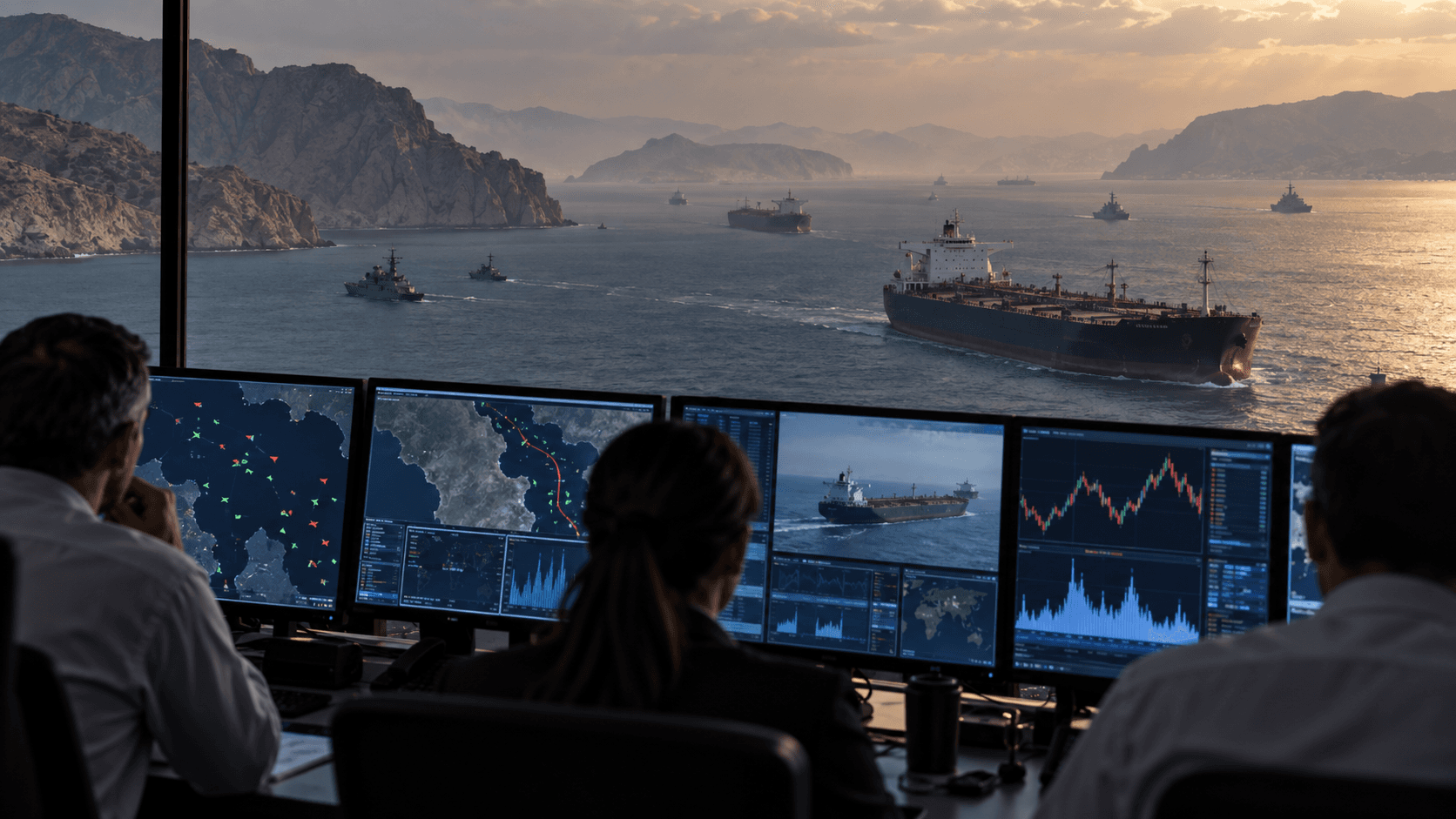
Image credit: AI-generated editorial illustration
Iran has warned that US-linked energy interests across the Gulf could be vulnerable if attacks on Iranian assets continue, deepening concern over shipping, oil supplies and the fragile security balance around the Strait of Hormuz.
The latest warning
Iranian Parliament Speaker Mohammad Baqer Qalibaf said Tehran would respond to new strikes on its assets, with reporting describing his message as a warning that Gulf energy infrastructure, including US oil and gas interests, could be targeted.
The warning followed renewed US-Iranian clashes around shipping at the weekend. The exchange pushed oil prices higher and revived fears that the conflict could again focus on tankers, energy installations and maritime chokepoints rather than only military targets.
Hormuz at the centre
The Strait of Hormuz is one of the world's most important energy routes. A large share of global oil and liquefied natural gas exports normally passes through the waterway. Even limited disruption can affect freight costs, insurance rates and market expectations.
Since the conflict began, normal traffic through the strait has been disrupted. Iran has sought more control over vessel movement, while Washington and several regional states oppose restrictions on navigation. The result is a standoff in which shipping rules, naval deployments and energy pricing are all tied together.
Restricted-zone plan
Iranian security figure Mohsen Rezaei has also said Iran plans to declare a restricted maritime zone beyond the Strait of Hormuz. According to Anadolu Agency, Rezaei said vessels entering the planned zone could be placed on a sanctions list.
That proposal appears designed to pressure commercial shipping and the United States at the same time. If ships fear penalties or detention, they may avoid routes Tehran wants to control. If traffic slows, energy markets feel the impact even before a complete closure occurs.
Regional states are exposed
The Gulf's energy network is tightly connected. Oil export terminals, LNG facilities, refineries, petrochemical plants and shipping lanes sit within a relatively compact region. Threats against one part of that system can quickly raise questions about the security of the rest.
That is why Iran's warning matters beyond its wording. Gulf states depend on stable export routes, while Asian and European buyers depend on predictable deliveries. A wider confrontation could hit prices, supply planning and diplomatic calculations far from the waterway itself.
No clear diplomatic path
The latest escalation comes with diplomacy still stuck. Reporting on the conflict says there is little sign of progress toward a breakthrough that could restore normal energy flows through the Gulf.
Iran continues to frame its position around retaliation, sanctions relief and control over navigation conditions. The United States has framed its posture around pressure and protecting freedom of navigation. Those positions leave little room for quick compromise unless intermediaries can reopen channels.
Why the risk is rising
The most dangerous feature of the current moment is that energy infrastructure has become part of the pressure campaign. Once tankers, terminals and shipping corridors are treated as leverage, the chance of miscalculation increases. A single strike or seizure can have consequences beyond the intended target.
For now, the warnings are still partly political messaging. But markets and governments cannot ignore them because the Gulf is not a symbolic theatre. It is a working energy system that many economies depend on every day. Keeping that system open will require military restraint, clearer maritime rules and renewed diplomacy before threats turn into a broader regional shock.
The immediate risk is not only a formal closure of Hormuz. It is the slower damage caused by uncertainty: fewer ships willing to move, higher insurance costs, delayed cargoes and governments preparing emergency supply options. That kind of pressure can build quietly before consumers feel it in fuel, transport and food prices.
Source links
Comments
No approved comments yet.