Infantino Defended FIFA Investment Plan Before It Was Dropped
Gianni Infantino called FIFA's proposed commercial subsidiary an opportunity rather than an obligation before opposition led the organization to abandon it.

FIFA President Gianni Infantino defended a proposal to place major commercial operations in a new subsidiary open to private investment, describing the idea as an opportunity for member associations rather than a requirement. The plan was then abandoned after it met forceful opposition, making the sequence an important case study in the governance of world football.
This article was first published while the proposal was being debated on July 30, 2026. It has been updated to record that FIFA did not proceed with the plan. That later outcome matters because the original debate should not be presented as an active offer.
What FIFA proposed
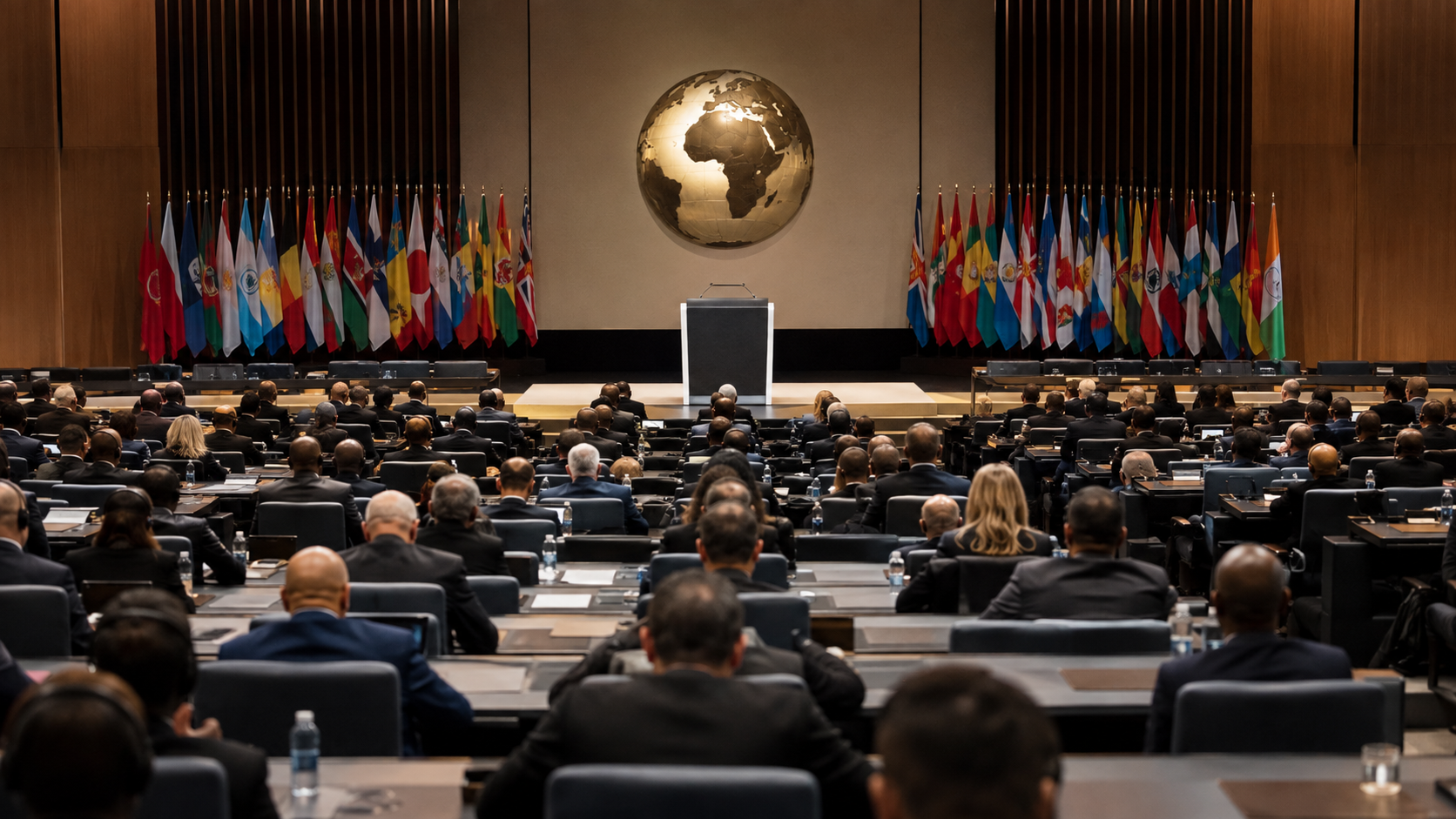
The proposed entity, called FIFA Forward Enterprise, was intended to organize and commercialize FIFA-owned competitions and related sponsorship, broadcasting, licensing and new ventures. FIFA argued that outside capital could unlock more value and provide additional development funding to its 211 member associations.
Infantino told the associations that participation was voluntary and that the proposal would move forward only with sufficient support. His phrase that it was an opportunity, not an obligation, addressed criticism that national bodies were being pressured into backing a major structural change without enough time or detail.
The financial promise was central to the pitch. Reporting on the proposal said member associations could receive substantial additional funding during the cycle linked to the 2030 men's World Cup if the new subsidiary gained approval. Supporters saw a chance to increase investment in facilities, youth football and national programs. Critics questioned what ownership rights investors would receive and how long any commercial arrangement would last.
UEFA and other bodies objected
UEFA and its national associations rejected the proposal, arguing that the World Cup and other competitions should not be opened to private ownership without transparent consultation. Their objections covered governance as well as money: who would control strategic decisions, what investors could influence and whether short-term returns might conflict with football's wider responsibilities.
The confrontation became unusually public. European football officials warned of serious consequences while FIFA said its plan had been misunderstood. The dispute showed that even a financially attractive offer could not bypass questions about institutional authority and the status of competitions that national teams, players and supporters help create.
Why the plan did not advance
FIFA later said the proposal would not proceed after it failed to secure the support required. The withdrawal did not erase the underlying debate. Global sports bodies continue to seek new revenue, and private capital is increasingly involved in leagues, clubs, media rights and event businesses.
What changed was the immediate status: FIFA Forward Enterprise was no longer a live plan awaiting member approval. Any future proposal would need to be assessed on its own terms rather than treated as a continuation that has already been authorized.
Lessons for football governance
The episode raised three durable issues. First, member associations need enough detail to understand valuation, control and risk before voting. Second, the commercial value of a World Cup cannot be separated easily from the public and sporting responsibilities of its governing body. Third, consultation after a proposal is announced is not always viewed as equivalent to participation in designing it.
Infantino's defense accurately described FIFA's position at the time: the project was a proposal, not an automatic obligation. The subsequent retreat also demonstrated that formal choice can carry real weight when enough members and confederations object.
For supporters, the most reliable conclusion is straightforward. FIFA explored a private-investment structure for key commercial assets, Infantino argued it could expand development funding, major stakeholders resisted, and the organization ultimately dropped the initiative. The controversy remains relevant, but the proposal itself should now be read as a concluded chapter rather than a pending change to the World Cup.
Source links
Comments
No approved comments yet.