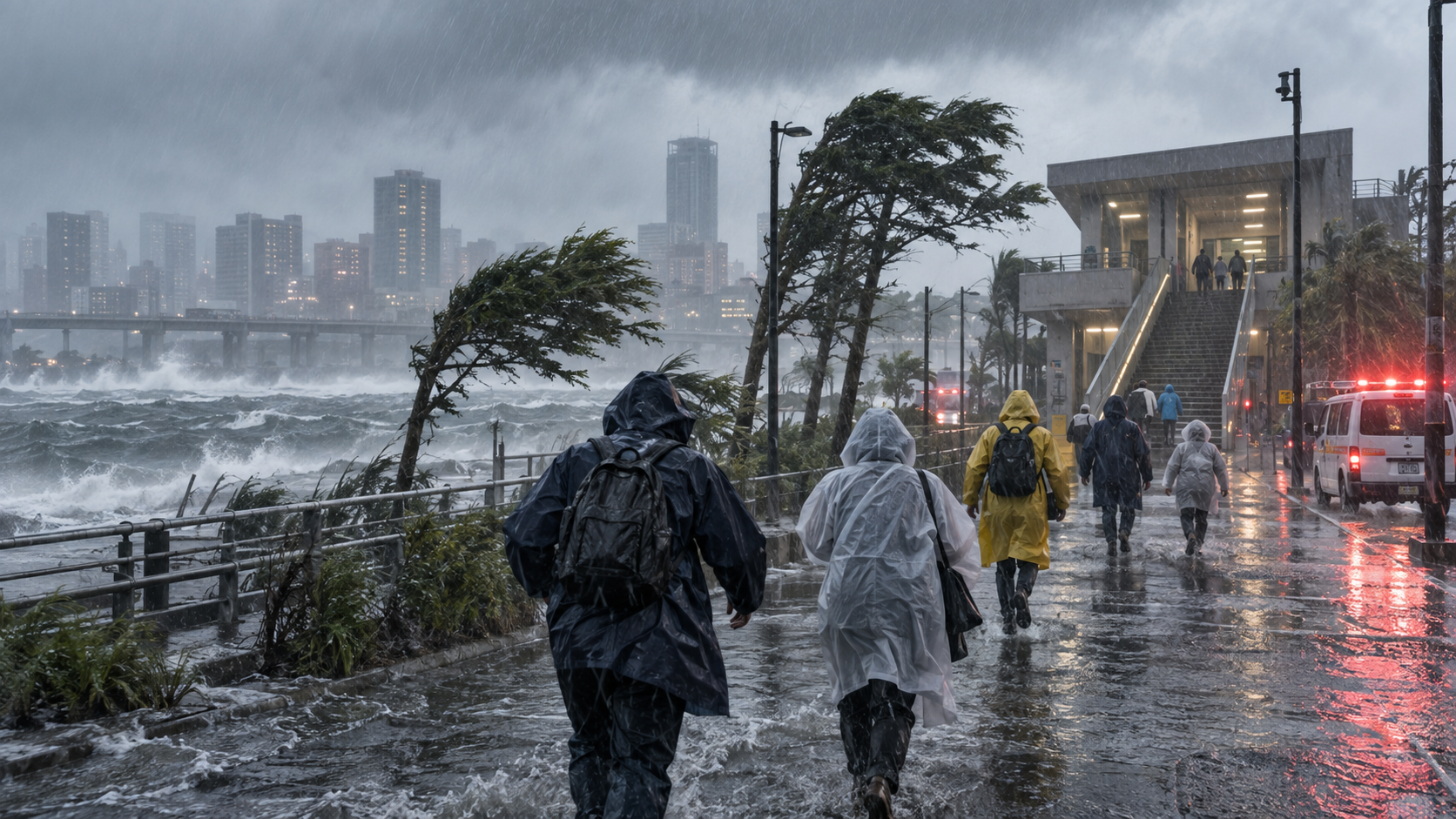
Flash Flood Warnings Hit Northeast US Amid Wildfire Smoke From Canada
Residents across the northeastern United States found themselves squeezed between two very different but equally dangerous weather threats this weekend, as flash flood warnings and lingering wildfire smoke combined to…
Residents across the northeastern United States found themselves squeezed between two very different but equally dangerous weather threats this weekend, as flash flood warnings and lingering wildfire smoke combined to create a genuinely difficult stretch of conditions.
A Double Threat Arrives Together
Saturday delivered what was described as a double dose of dangerous weather across the northeastern US, with several neighborhoods hit by thunderstorms severe enough to trigger flash flood warnings, even as smoky skies from Canadian wildfires continued to plague air quality in New York City and surrounding areas. Facing two distinct hazard types simultaneously, flooding requiring people to avoid low-lying areas and take shelter from severe storms, air quality concerns urging people to limit outdoor exposure, creates a genuinely difficult public safety messaging challenge, since the appropriate precautions for each hazard do not always align neatly.
Why Canadian Wildfire Smoke Keeps Reaching New York
Wildfire smoke traveling from Canada into the northeastern United States has become an increasingly recurring phenomenon in recent fire seasons, as intensifying Canadian wildfires driven by climate-related conditions send smoke plumes drifting south on prevailing wind patterns into densely populated American cities hundreds of miles from the actual fires. New York City experiencing poor air quality from fires burning in another country underscores how wildfire impacts increasingly extend far beyond the immediate geographic area where fires are actually burning.
The Added Complication Of Severe Storms
Layering severe thunderstorms and flash flood risk on top of already poor air quality conditions adds real complexity for residents trying to navigate both hazards safely, since storm shelter advice, staying indoors, away from windows, does offer some incidental protection from smoke exposure too, but flash flood evacuation needs in the most vulnerable low-lying neighborhoods can directly conflict with air-quality-driven advice to simply stay inside and limit outdoor movement.
Why This Combination Reflects A Broader Climate Pattern
Increasingly frequent instances of wildfire smoke and severe storm activity occurring simultaneously or in close succession reflect broader climate patterns scientists have tracked across North America, warmer temperatures fueling more intense wildfire seasons while also contributing to more energetic, moisture-laden storm systems capable of producing flash flooding. Northeastern US residents are increasingly having to navigate a wider range of weather-related public health threats within a single season, rather than facing these hazards as isolated, infrequent events.
What Comes Next
Local officials will need to continue monitoring both threats simultaneously, issuing guidance that accounts for the genuine tension between flood-safety and air-quality-safety advice residents are being asked to navigate at the same time. As Canadian wildfires continue burning through the season, northeastern US cities like New York should expect further periods of smoke-driven poor air quality, layered unpredictably on top of the region's own severe weather patterns, a combination public health officials are increasingly having to plan for as a recurring rather than exceptional seasonal challenge.
Public health researchers studying combined exposure to wildfire smoke and storm-related stress are also increasingly flagging the compounding health burden these overlapping hazards place on vulnerable populations, including children, the elderly and those with pre-existing respiratory conditions, who face elevated risk from either hazard individually and even greater risk when both occur in close succession.
Comments
No approved comments yet.