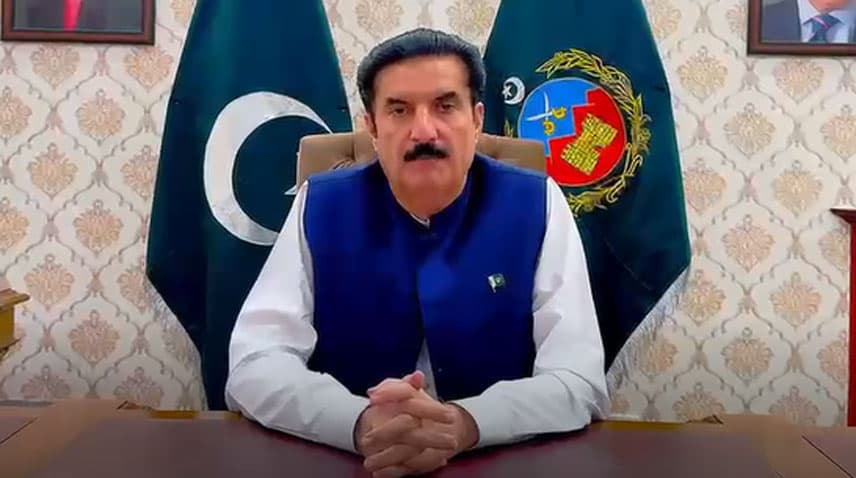
ECNEC Reviews Major Projects as Cost Pressures Mount
ECNEC reviewed major road, energy, water, education and poverty-reduction schemes as revised costs and project delays sharpen scrutiny of public investment.

Image credit: AI-generated editorial illustration by Novexa News
Pakistan's top economic decision-making forum has reviewed a broad portfolio of development schemes covering roads, electricity distribution, hydropower, poverty reduction, education and water infrastructure, with Deputy Prime Minister and Foreign Minister Ishaq Dar directing authorities to improve coordination and avoid further delays.
The Executive Committee of the National Economic Council, commonly known as ECNEC, met on Saturday to examine the status of projects being implemented across several sectors and provinces. The agenda included the Khawazakhela-Besham Expressway, electricity distribution efficiency programmes involving LESCO, HESCO and PESCO, the Tarbela Fifth Extension Hydropower Project, the Southern Punjab Poverty Alleviation Project and support for the Fulbright scholarship programme.
The official account of the meeting focused on implementation, revised planning documents and the need to use public development resources efficiently. It did not provide a complete project-by-project financial breakdown. More detailed figures reported separately by national media point to substantial cost revisions across parts of the portfolio, adding a fiscal dimension to what might otherwise appear to be a routine progress review.
ECNEC puts implementation under scrutiny
Dar asked federal ministries, departments and provincial authorities to coordinate closely and complete approved schemes within their revised timelines. The direction reflects a familiar challenge in Pakistan's development programme: projects can lose economic value when procurement, land acquisition, design changes or administrative decisions push construction beyond the original schedule.
ECNEC sits near the top of Pakistan's public investment approval system. Large projects generally move through technical and planning forums before reaching the committee, particularly when their cost or national importance crosses prescribed thresholds. A review by ECNEC therefore matters not only for formal approval but also for whether revised costs, financing arrangements and implementation plans remain credible.
The meeting considered revised PC-I documents and progress reports for ongoing schemes. A PC-I sets out a project's scope, cost, financing, timetable and expected benefits. Revisions can be necessary when conditions change, but repeated revisions also raise questions about early planning, oversight and the public cost of delay.
Expressway and energy schemes lead the agenda
The 48-kilometre Khawazakhela-Besham Expressway is intended to improve connectivity between parts of Swat and Shangla and strengthen access toward the wider regional road network. Better transport links can reduce travel time and support local commerce, but those benefits depend on the road being completed, maintained and integrated with connecting routes.
The electricity component included efficiency projects for Lahore Electric Supply Company, Hyderabad Electric Supply Company and Peshawar Electric Supply Company. Distribution improvements are important because adding generation alone does not resolve unreliable supply when local networks continue to suffer from technical losses, overloaded equipment or weak monitoring.
The Tarbela Fifth Extension was another major item. The scheme is designed to add generating capacity at the existing Tarbela complex by using Tunnel 5. Hydropower can provide lower-cost electricity over a long operating life, but the project has faced delays and scrutiny over management and revised expenditure.
The Express Tribune reported that ECNEC approved 16 projects with a combined estimated value of Rs1.15 trillion. Its report put the revised Tarbela extension cost at approximately Rs316 billion and the Khawazakhela-Besham Expressway at Rs116.6 billion. Because the government's brief statement did not publish a complete financial table, those figures should be read as attributed reporting rather than a substitute for detailed official project documents.
Poverty reduction and scholarships remain part of the portfolio
The agenda extended beyond physical infrastructure. The Southern Punjab Poverty Alleviation Project is aimed at districts where limited services, employment opportunities and household resilience remain persistent policy concerns. Effective implementation will depend on whether programme spending reaches intended communities and produces measurable improvements rather than only meeting administrative targets.
The Fulbright Scholarship Support Programme represents the human-capital side of the development portfolio. Scholarship funding can expand access to advanced education and professional training, but its public value is strongest when selection remains transparent and graduates have opportunities to apply their skills in Pakistan.
Water and other connectivity projects were also reviewed, although the public summary did not identify every scheme or disclose their individual status. That lack of detail makes continued publication of progress, revised costs and completion dates especially important for public accountability.
Why project delays carry a wider economic cost
Delayed development projects affect more than the construction budget. A road completed years late postpones the trade and mobility benefits used to justify it. A delayed power project can leave businesses and households dependent on more expensive or less reliable alternatives. Cost escalation also consumes fiscal space that could otherwise support health, education or new infrastructure.
Pakistan is managing these projects while facing tight public finances and competing demands on federal and provincial budgets. That makes project selection and execution as important as headline approval totals. Authorities must decide whether a delayed scheme still offers sufficient value, whether its scope should change and how additional costs will be financed without creating unsustainable obligations.
What should happen next
The most useful follow-up would be a consolidated public record showing each project's approved and revised cost, physical completion rate, financing source and expected completion date. Regular disclosure would allow lawmakers, researchers and citizens to distinguish genuine implementation progress from repeated administrative review.
ECNEC's instruction for timely completion is necessary, but delivery will be the real test. The road, energy, water, education and poverty-reduction schemes discussed at the meeting address genuine development needs. Their impact will depend on disciplined procurement, credible supervision and transparent reporting from the agencies responsible for turning approved plans into functioning public assets.
Source links
Comments
No approved comments yet.