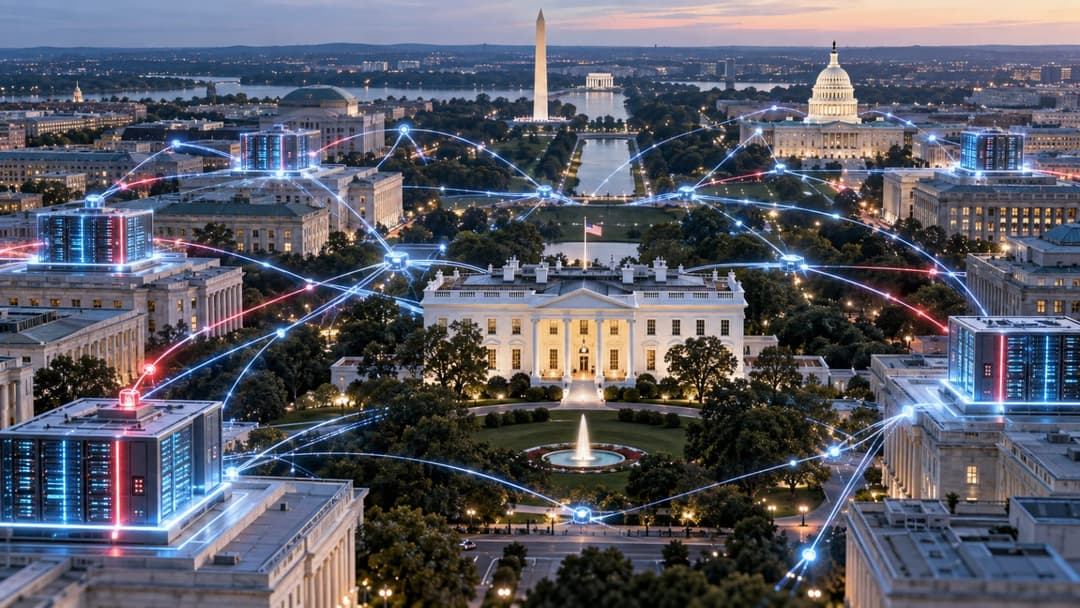
The Looming Power Crisis: AI Infrastructure Faces a Grid Wall
New projections indicate data centers will consume one-fifth of U.S. electricity by 2035 as artificial intelligence infrastructure places unprecedented strain on the nation's aging electrical power grid
A Rapid Escalation of Energy Demand
Within the next decade, data centers will command one-fifth of all electricity generated across the United States. According to analysis provided by TechCrunch, the rapid adoption of artificial intelligence is fundamentally altering the nation's energy trajectory. This massive expansion of infrastructure is expected to push data center capacity toward 200 gigawatts. Nearly half of that energy load will be dedicated specifically to the training and inference processes required to sustain modern AI models. By 2033, the United States will remain the global epicenter of this movement, hosting roughly 64 percent of all AI chips based on power demand requirements.
Energy forecasters are struggling to keep pace with the velocity of this expansion. The latest estimates from BloombergNEF for 2035 electricity consumption sit 83 percent higher than the same consultancy’s projections from only December of the previous year. Other major institutions have abandoned conservative outlooks as well. The Electric Power Research Institute, a nonprofit serving the utility industry, has more than doubled its 2024 forecast, while S&P analysts increased their own outlook by more than a third between October and April. These frantic revisions reveal a industry-wide realization that data center construction is moving faster than grid operators can accommodate.
Regional Grids Under Immense Pressure
The most acute conflicts between data center development and grid reliability are surfacing in densely populated regions. BloombergNEF predicts that a large majority of incoming data centers will connect to power grids that currently operate with little margin for error. The PJM Interconnection, which manages high-voltage transmission from Illinois to Virginia, faces a future where data centers account for 34 percent of total electricity consumption. Meanwhile, the ERCOT grid in Texas expects to dedicate 22 percent of its total generating capacity to similar facilities.
The strain on the PJM system has already reached a breaking point. For four consecutive years, the grid operator halted all applications for new power sources attempting to connect to its network. This freeze created a massive backlog that left developers and utility providers in a state of limbo. While PJM reopened its queue to new energy projects in April, the situation remains fragile. The supply-demand imbalance has already manifested in the local economy, driving electricity prices up 76 percent over the past year alone. American Electric Power, a major utility operating in the region, has even publicly threatened to withdraw from the interconnection due to the dysfunction.
The Persistent Appeal of Strained Networks
Despite the significant logistical hurdles and rising costs, the allure of existing grid capacity keeps data centers aggressively pursuing connections in already saturated regions. During the most recent capacity auction conducted by PJM, data center developers represented 38 percent of all charges. The industry clearly prioritizes established infrastructure over the potential reliability of newer, greener sites, even when those established grids signal extreme congestion.
The phenomenon is not limited to the United States. Global data centers are projected to add 1,935 terawatt-hours of new electricity demand by 2033. To put that figure into perspective, this additional load is nearly equivalent to the total annual electricity consumption of India today. This global appetite suggests that even as the United States cements its role as the primary host for AI processing, the international market will face identical challenges regarding generation, distribution, and price volatility.
Looking Toward a Strained Future
Technological progress in AI compute continues to outpace the traditional planning cycles of utility companies. For decades, electricity providers relied on incremental demand growth patterns that allowed for predictable plant upgrades and transmission expansion. The AI era, by contrast, relies on high-density loads that appear suddenly and demand immediate access to large amounts of power. This creates a fundamental mismatch between the physical reality of copper wire and steel towers and the digital reality of virtual intelligence. If current trends continue, the ability of states to maintain affordable and reliable electricity for residential and commercial customers will depend heavily on whether grid operators can force a decoupling of these power-hungry facilities from the existing public infrastructure. The current market behavior suggests, however, that neither the developers nor the grid managers have yet found an equilibrium that balances corporate growth with the stability of the public power supply.
Source links
Comments
No approved comments yet.