Diplomacy Takes Precarious Lead as U.S. Halts Iran Strikes
A three-day pause in U.S. strikes on Iran has prompted a cooling of oil prices, though Washington maintains that military options remain available as regional tensions persist
Oil prices dipped below $90 a barrel Monday morning, retreating from last week's highs of $100, as a sudden lull in hostilities between Washington and Tehran took hold. The market response followed a three-day silence from the United States military, which had spent nearly two weeks launching nightly airstrikes against Iranian targets.
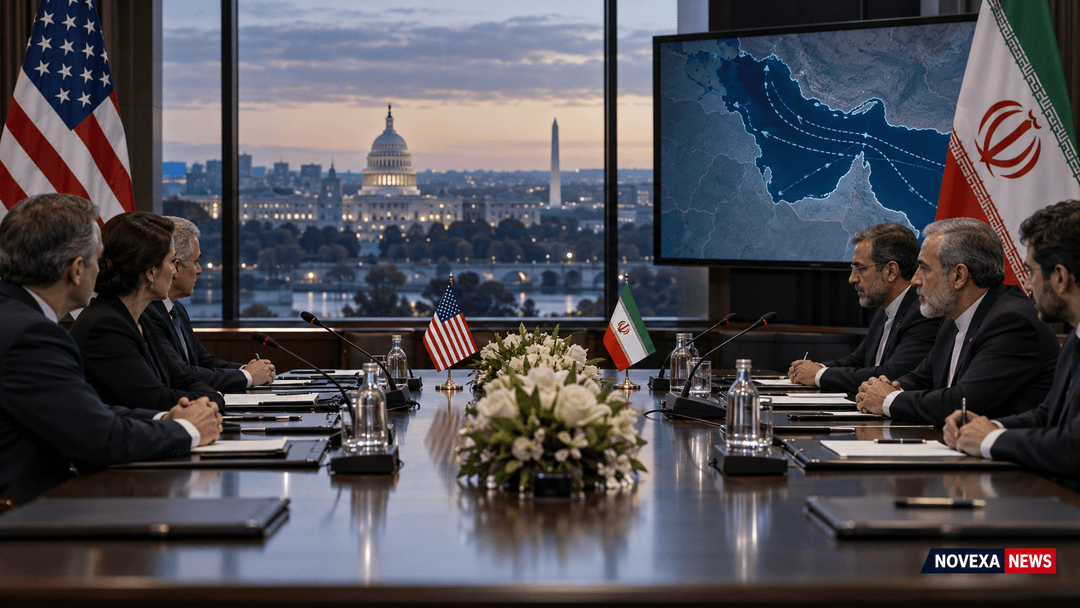
A Calculated Pause for Diplomacy
Ambassador Mike Waltz told Fox News on Sunday that the Biden administration intended to provide space for ongoing diplomatic discussions. The decision to halt the aerial campaign came after thirteen consecutive nights of strikes, which the U.S. claimed were necessary to protect commercial shipping lanes in the Strait of Hormuz. Following the U.S. lead, an Iranian army spokesperson confirmed that Tehran had also ceased its retaliatory strikes across the region.
While this represents a significant shift from the volatility seen throughout July, the White House has avoided framing the pause as a permanent end to hostilities. As reported by the BBC, Ambassador Waltz cautioned that the administration keeps all options available, rejecting claims that recent military operations were hampered by dwindling munitions stockpiles. He emphasized that the U.S. military remains fully prepared to continue its campaign if diplomacy fails to yield results.
Unravelling Agreements and Persistent Tensions
The current conflict has effectively dismantled a fragile memorandum of understanding signed between the two nations in June. That pact, which had sought to reopen the Strait of Hormuz and finalize a formal end to the war within 60 days, collapsed following an Iranian attack on tankers on July 13. In response, Washington reinstated a naval blockade on Iranian ports and launched a series of strikes that have killed dozens of people, according to data from Iran’s health ministry.
Tehran hit back with a series of direct strikes against American military facilities throughout the Middle East, resulting in the deaths of four U.S. service members. These tit-for-tat exchanges have dragged the war into its fifth month, causing profound anxiety across global energy markets that rely on the strait for the transit of liquid natural gas and crude oil.
Global Stakeholders and Internal Pressures
Beyond the immediate tactical situation in the Gulf, international attention is shifting toward the long-term management of the waterway. British Defence Secretary Wes Streeting confirmed plans to meet his American counterpart, Pete Hegseth, this coming week to discuss maritime security. The United Kingdom and the United States remain aligned on the necessity of maintaining free passage through the strait, a critical artery for the global economy.
Domestically, the conflict faces increasing scrutiny within the United States. A recent poll conducted by CBS and YouGov indicated that 57% of Americans express frustration regarding the administration's handling of the war, with only 19% of respondents feeling optimistic about the outcome. Thousands have died across Lebanon and Iran since the inception of the fighting in February, adding to the public unease.
The Path Forward at the White House
As of Monday, President Trump had not provided personal comment on the current ceasefire. However, his recent activity on Truth Social featured computer-generated imagery depicting American military aircraft striking Iranian naval vessels and the strategic Kharg island. This visual posturing contrasts with the quieter tone coming from his diplomatic representatives.
Attention now turns to Washington, where President Trump is scheduled to meet with Israeli Prime Minister Benjamin Netanyahu on Tuesday. Analysts are watching to see if this high-level meeting will clarify whether the current pause represents a genuine pivot toward a lasting settlement or merely a temporary tactical regrouping. With additional American military assets reportedly moving into the region, the situation remains precarious despite the recent drop in crude prices.
Source links
Comments
No approved comments yet.