Understanding How the Fed's Interest Rate Affects the Economy
Ever wonder how the Fed's interest rate works? Discover its significance and impact on the economy in our comprehensive breakdown
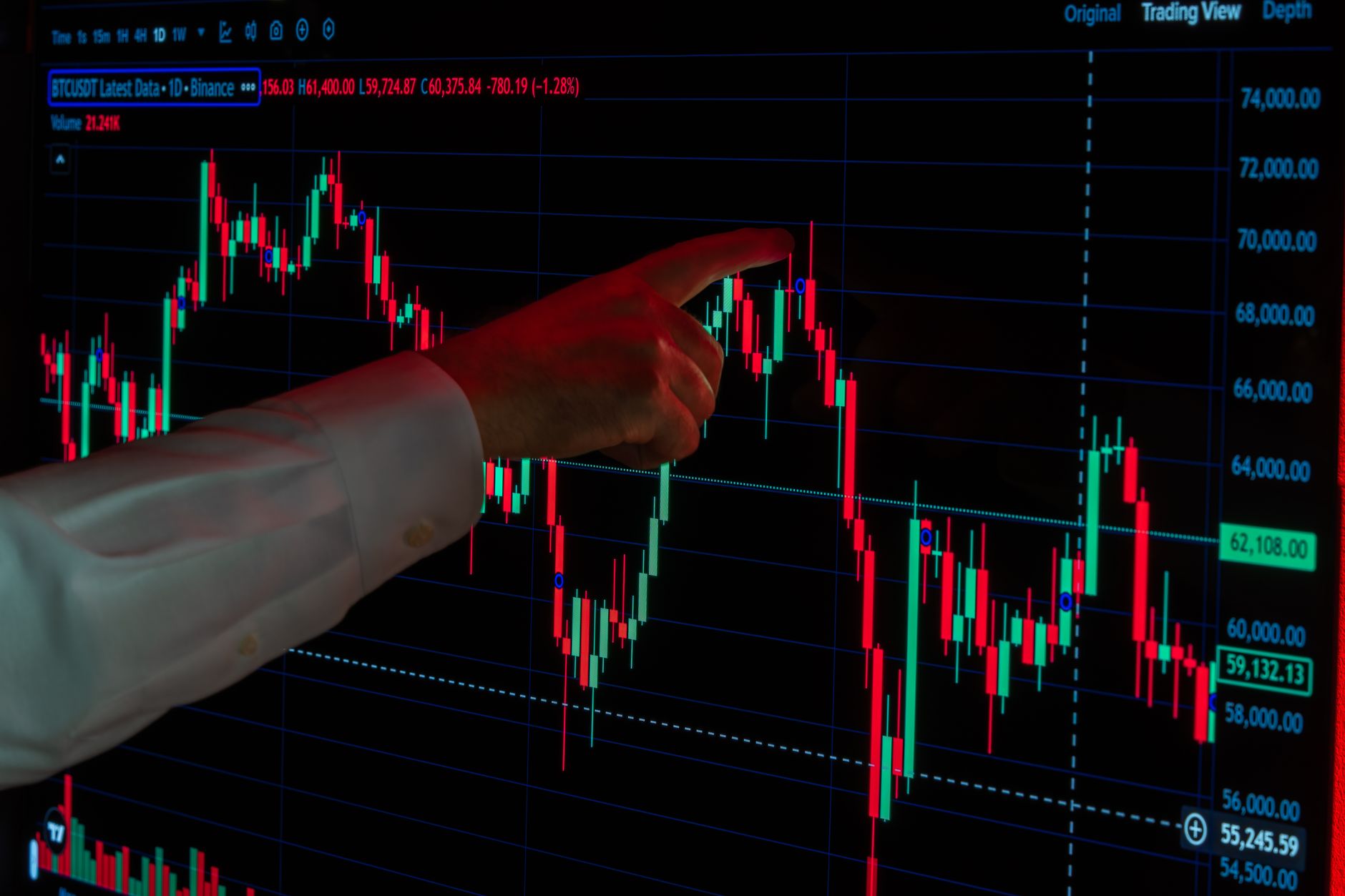
Image credit: Photo by Rafael Minguet Delgado on Pexels
Understanding the Fed's Interest Rate
Ever wonder how the Fed's interest rate actually works? This week, the Federal Reserve raised interest rates for the first time in 2023, a decision that prompts many to question how these rates function and what implications they have for the economy at large. In this article, we will break down the mechanics of the Fed’s interest rate and discuss its consequences for everyday life.
Key Developments
Recently, the Federal Reserve announced an increase in interest rates, marking a significant shift in monetary policy for the year. This move is typically aimed at controlling inflation and stabilizing the economy. However, many people are still unclear on how the interest rate mechanism operates and how these shifts affect individual finances and broader economic trends.
The Basics of Interest Rates
At its core, the Fed's interest rate determines the cost of borrowing money. When the Fed raises interest rates, it becomes more expensive for banks to borrow from the central bank. Consequently, banks pass this cost on to consumers in the form of higher rates on loans and mortgages. Conversely, when interest rates are lowered, borrowing becomes cheaper, which can stimulate spending and investment in the economy.
How Does This Affect Inflation?
One of the primary aims of adjusting the Fed's interest rate is to control inflation. Higher interest rates tend to reduce consumer spending because loans and credit become more costly. This decrease in demand can help to stabilize or even lower inflation rates. Conversely, lower interest rates often encourage borrowing and spending, which can lead to an increase in inflation if the economy is already running at full capacity.
The Impact on Consumers
Changes in the Fed’s interest rates have immediate and tangible impacts on individuals. Higher interest rates can lead to increased monthly payments on variable-rate mortgages and home equity loans. Credit card interest rates often rise in tandem, making purchases on credit more expensive.
For savers, on the other hand, higher interest rates can be beneficial as they typically translate to higher returns on savings accounts and fixed-income investments. However, the overall economic landscape must also be considered. If higher interest rates lead to a slowdown in economic activity, there may be adverse effects on job security and wage growth.
Real-Life Consequences
The impact of the Fed's interest rate changes extends beyond personal finances. Businesses that rely on loans for expansion may find themselves facing higher costs, which can lead to reduced hiring or even layoffs. As companies adjust to the new cost structure, it sets off a chain reaction that can affect investments, stock markets, and consumer confidence.
A practical example can be seen in sectors like real estate. Higher rates may deter potential homebuyers and slow down housing market growth, which has a ripple effect on construction jobs, suppliers, and beyond.
Conclusion
Understanding how the Fed's interest rate actually works is crucial for grasping its broader economic implications. As the central bank continues to make adjustments in response to inflation and economic conditions, individuals and businesses need to stay informed about how these changes might affect them. Keeping one eye on the Fed's policies could provide insights into not only personal financial decisions but also how the economy as a whole is likely to evolve in the coming months. The recent interest rate increase serves as a reminder that these shifts are not just numbers on a chart; they influence the day-to-day lives of every citizen.
Source links
Comments
No approved comments yet.