Protests in Bologna after Moroccan-born man dies following police restraint
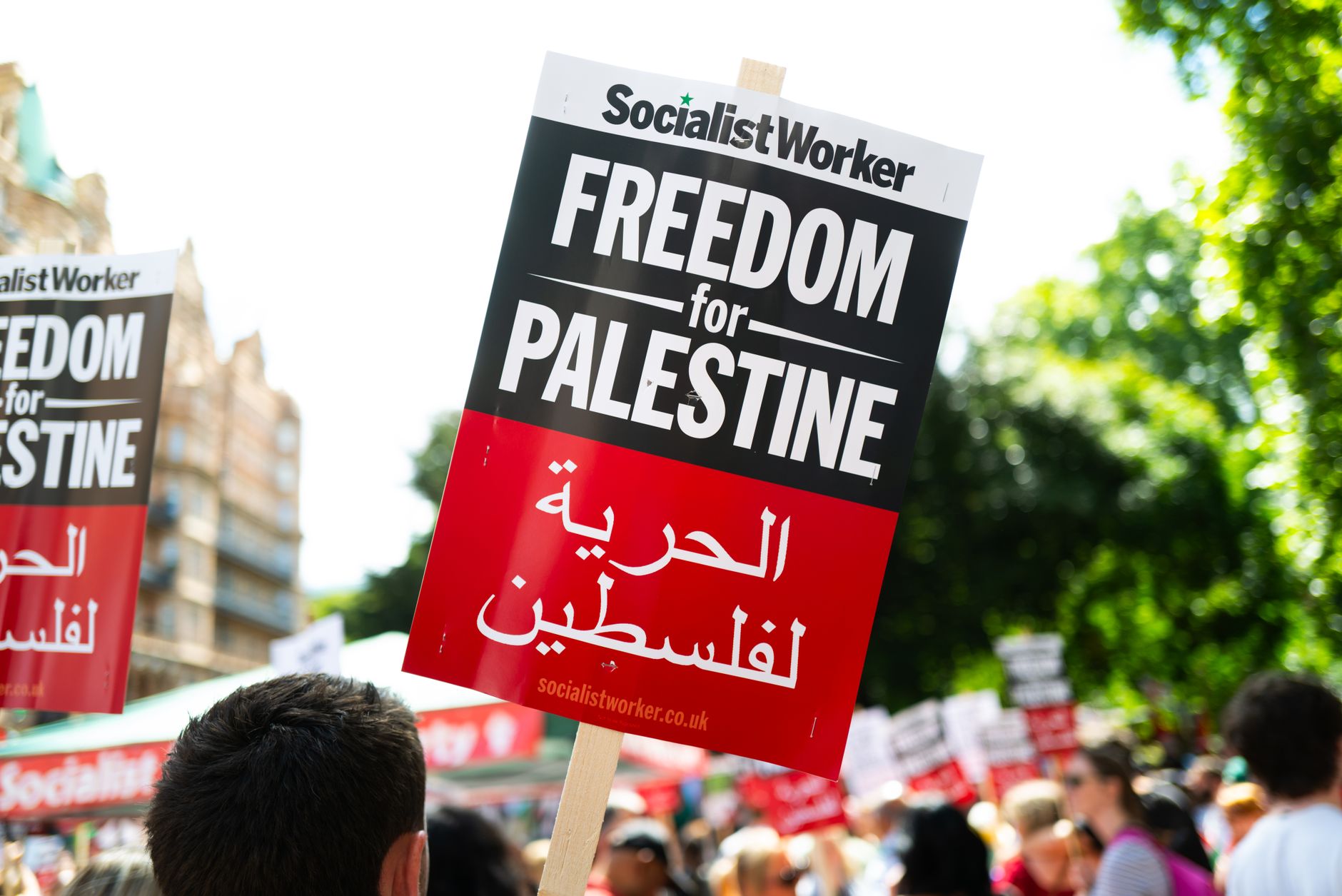
The death of Moroccan-born Abderrahim Fakir in Bologna has triggered protests and renewed scrutiny of police restraint, though key details remain
The death of Moroccan-born Abderrahim Fakir in Bologna has triggered protests and renewed scrutiny of police restraint, though key details remain unconfirmed.
The report is based on Al Jazeera Latest, with Novexa News preserving the original topic while improving the page for readers who arrive from search, social links or category pages. The main value is to explain why the headline matters, not only to repeat that an event happened.
The wider significance is international because the story connects public policy, security, diplomacy, markets or human impact beyond one local audience.
Readers should watch for official confirmations, regional reactions and whether the issue creates pressure on governments or institutions.
A short update can answer what happened, but a useful article also explains who may be affected, what decisions could follow and why the timing matters.
In World, context is especially important because stories often connect several audiences at once. Officials, companies, teams, families, investors, fans or communities may respond differently, and those responses can determine whether the story fades quickly or becomes part of a larger pattern.
That means the article should state the core development, add relevant background, avoid automated filler and make clear what readers should monitor next. This update keeps the same URL so existing indexed links continue to resolve correctly.
Related themes include World, Show Types, Italy, Bologna, Police. Those signals help place the story inside the correct Novexa category and make it easier for readers to connect it with similar coverage across the site.
Novexa News will keep this page available as part of its indexed archive. Readers should treat fast-moving details as subject to follow-up, especially when official statements, market reaction, fixtures, public guidance or legal proceedings may change after publication.
The broader lesson from this story is that indexed news pages should remain useful after the first crawl. A reader landing here later should still understand the topic, the category, the source context and the practical reason the page exists. This refreshed copy is written to support that clearer experience without changing the original URL or replacing the underlying article record.
Comments
No approved comments yet.