Pakistan Trade Deficit Renews Export Reform Push
September 13, 2026 As Pakistan faces a rapid deterioration of its external trade deficit due to sluggish export growth and increased import dependence, the country is increasingly worrying over the sustainability of its…
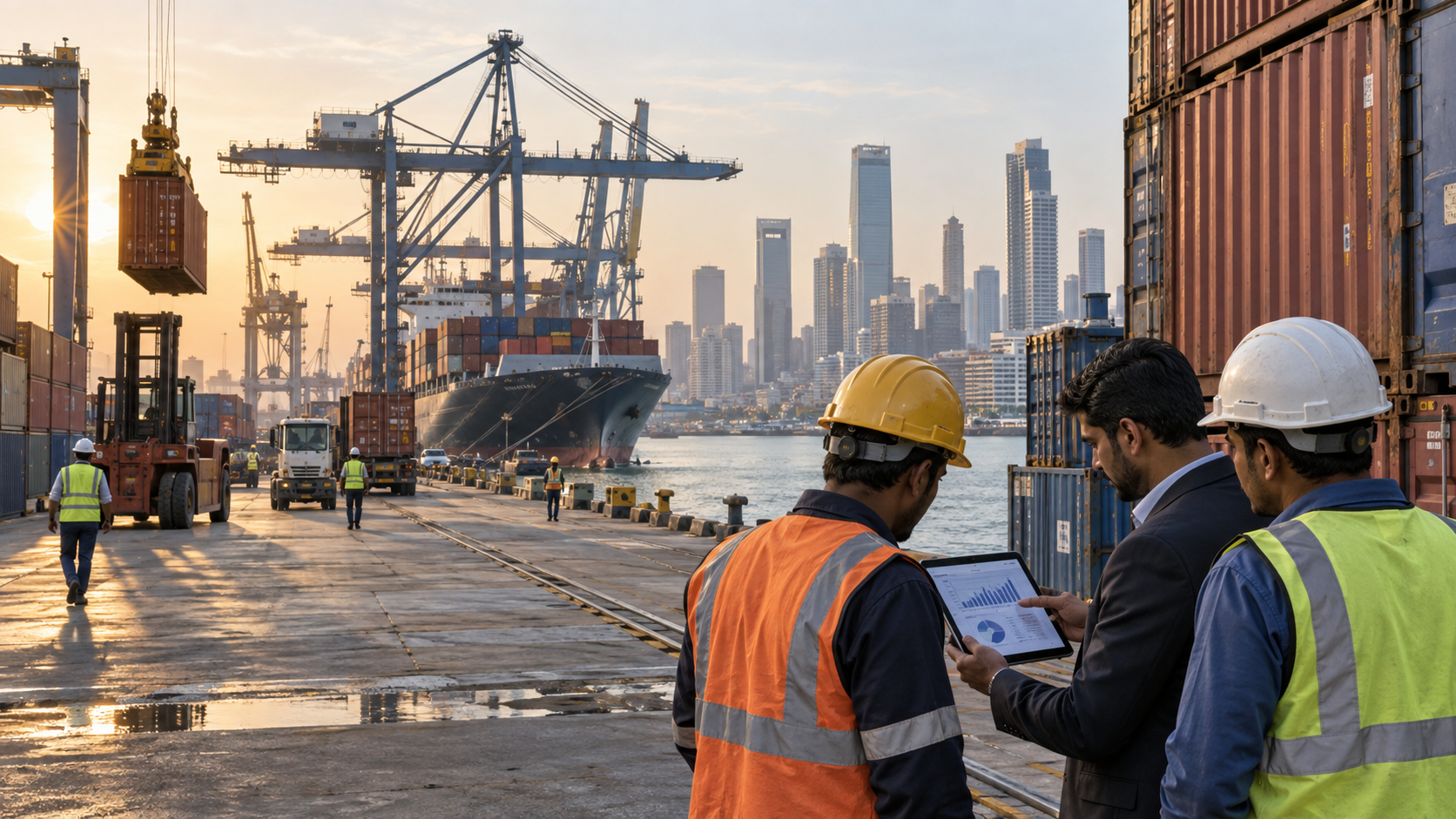
Image credit: AI-generated editorial image / Novexa News
September 13, 2026 As Pakistan faces a rapid deterioration of its external trade deficit due to sluggish export growth and increased import dependence, the country is increasingly worrying over the sustainability of its economic recovery, highlighting the need to pursue a holistic path towards export competitiveness, industry productivity, and increased linkages with regional and global value chains.
The latest deficit pressure
The annual trade deficit was around $39.47 billion in FY2026 and stood at around $7.12 billion during the first two months of FY2027, up by about 18 percent from the same period of the previous financial year when it was at about $6.01 billion. The development coincides with Pakistan's continued high external commitments and near term financing needs, which has been pushing for greater and sustainable dollar revenues to ensure external stability.
In recent times, Pakistan has been able to access some Eurobonds through loans of around USD 3 billion including USD 1.75 billion under a five and a half-year bond at 7.50 percent and USD 1.25 billion under a 10-year bond at 7.90 percent interest. Such funding can have a temporary effect on external liquidity and debt-management needs, but the key question that needs to be answered is whether borrowed funds can be supplemented with structural reforms that will lead to increased exports and investment and sustainable foreign exchange earnings, or merely shift debt-management problems to the future.
The widening trade deficit in Pakistan has become more pronounced due to increased volatility in international energy markets and geopolitical tensions, leading to more uncertainty on oil prices and transportation costs. A rise in energy prices could have a direct impact on Pakistan's import costs, and also increase the production and logistics costs of domestic industries, further emphasizing the resilience of export industries.
Borrowing buys time
The development of other emerging economies shows that a relatively small economic base is not necessarily a disadvantage to a country when it comes to creating a strong export sector if the government's policies are geared toward being internationally competitive. Through regional integration, competitiveness, preferential market access, and participation in international value chains, including in the garment, footwear, travel goods, and other light manufacturing industries, Cambodia, for instance, has increased its manufacturing and export capacity.
Pakistan has a much bigger domestic market, domestic workforce and economy but its exports still suffer from structural weaknesses stemming from high input prices, complex tariff structures, expensive energy, unknown regulations and insufficient involvement in some of the major manufacturing networks in Asia. Through all these challenges, Pakistani manufacturers find it more difficult to compete with those who are operating in a country where the imported machinery, components and industrial raw materials are comparatively cheaper.
One of the key policy areas which needs serious consideration is Pakistan's tariff structure, especially the cascading of duties and taxes on imported intermediate goods required for the manufacturers in the country. Other import-related charges, including Additional Customs Duties, Regulatory Duties and other charges may raise the price of raw materials, chemicals, machinery, synthetic fibers and other specialized industrial inputs, and thus directly impact production costs, thereby impacting the exportables ' margin of profitability in competitive international markets, particularly price-sensitive ones.
Energy prices and import dependence
A more streamlined and predictable tariff system could thus be a valuable instrument for enhancing the competitiveness of industry, especially by phasing down protection on key production factors and machinery while protection is focused on a narrow band of finished consumer goods. This would also help to dampen the temptation to falsely report, smuggling, and other types of distortion of trade which can arise when legitimate imports are too costly.
The small footprints of Pakistan in some of the vast regional trade agreements also merit re-thinking as today's manufacturing is increasingly dependent on supply chains, where businesses purchase components, manufacture them in a coherent and efficient manner, and sell them to various international markets. Better trade ties with the East Asian and Southeast Asian economies would provide an avenue to Pakistani firms to enter new markets in addition to attracting multinationals to the country to find competitive production sites.
Another important consideration is the cost of energy, especially for sectors that heavily rely on electricity or other energy sources in their production processes. Foster greater competitiveness of industrial electricity prices closer to the region, as well as structural inefficiencies and high costs in the electricity sector would help producers boost productivity and become more competitive in the international market.
Structural weaknesses in exports
The government's reform program might therefore gain from a coordinated effort with regard to tariff rationalization, reduction of industrial input costs, streamlining of energy sector efficiency, faster customs and port processes, upgrading logistics infrastructure, internationally recognized testing and certification facilities, training of the workforce and strict adherence to world production standards. Such steps would enable export companies to concentrate on production growth and new market access instead of having to bear the burden of inefficient regulations and infrastructure.
The increasing trade deficit eventually shows that no external balance can be maintained indefinitely by restrictions on imports or by short-term administrative measures, as to maintain external balance in the long run, it is necessary to raise the capacity of the country to earn foreign exchange by promoting competitive export. Borrowing can give breathing space when times are tight, but if there is a lack of strengthening measures on productive capacity and export earnings, this imbalance will not be corrected.
In this context, Pakistan's economic problem is now becoming more of an issue of shifting its policy focus from coping with repeated external shocks to creating a competitive export environment. The country has industrial resources, human resources and geographical location necessary to achieve a deeper integration into the regional value chains, but for this to happen, it's necessary to consistently enact policies that lower the production costs, increase investor confidence and stimulate investments in the industry.
The reform path ahead
Experience from emerging export-oriented economies suggests that a strategy for sustained competitiveness is rarely the product of one policy action, but of a set of coordinated policy reforms that create efficient production, predictable trade, and investment-friendly landscapes. In Pakistan's case, the need of the hour is to go beyond short-term finance measures and focus on export growth, competitiveness of industries and structural reform of the economy.
Source links
Comments
No approved comments yet.