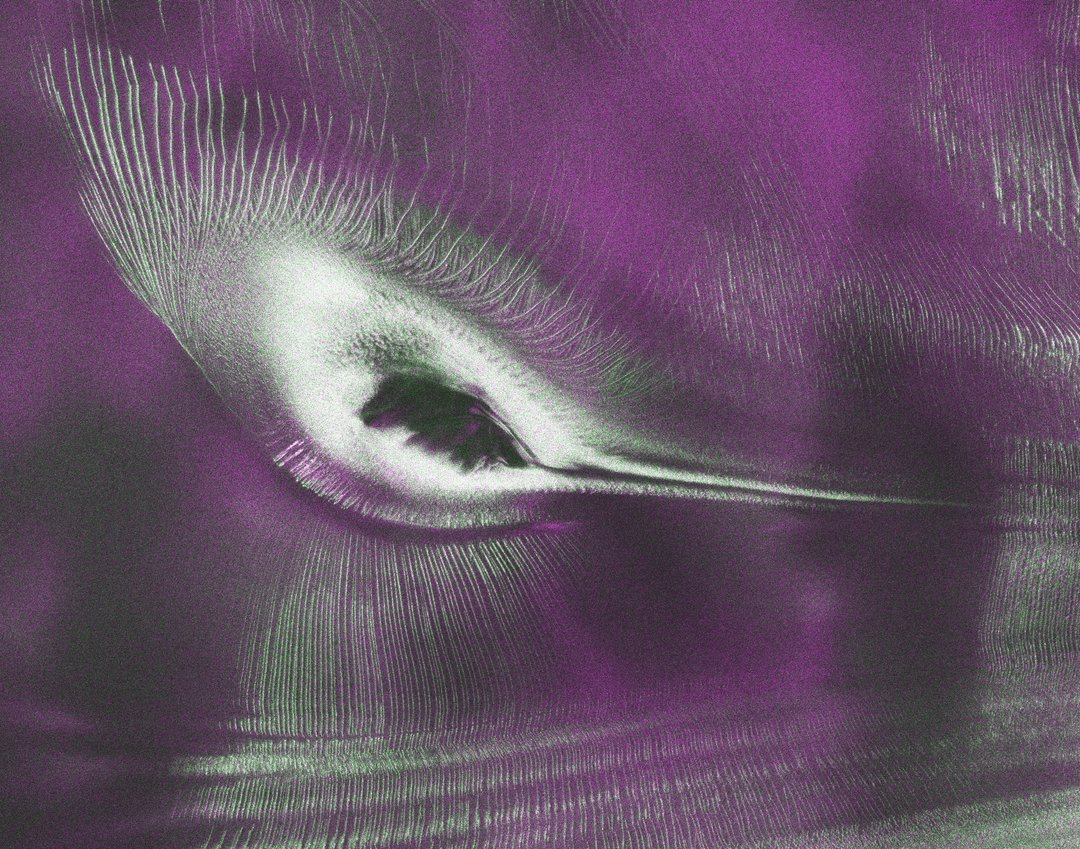
NISAR’s L-Band Radar Reveals ‘Hummingbird’ in Antarctica
Description Data from the Earth-orbiting U.S.-India NISAR (NASA-ISRO Synthetic Aperture Radar) satellite’s L-band radar was used to produce an image of Nunatak Zaterjavshijsja — a mountaintop in East Antarctica — poking out amid a stream of ice flowing...

NASA’s Earth-observing NISAR satellite has offered a striking look at a remote feature in Antarctica, capturing a mountaintop that stands out like a “hummingbird” amid moving ice.
According to a monitored public feed from NASA Breaking News, data from the U.S.-India NISAR mission’s L-band radar was used to create an image of Nunatak Zaterjavshijsja, a nunatak in East Antarctica that rises above the surrounding ice sheet. The image shows the mountain protruding through a stream of ice moving northeast toward the ocean.
The feature’s position creates a natural obstruction in the flow of ice, and that interruption appears to be visibly affecting the surrounding surface. The feed summary says the ice around the nunatak is heavily fractured, indicating the stress caused as the moving ice passes the obstacle. In radar imagery, such deformation can help reveal how ice responds to terrain hidden beneath or breaking through the surface.
Nunataks are isolated peaks or rocky ridges that remain exposed above glaciers or ice sheets. In this case, the East Antarctic landscape and the ice flowing around it combine to form the unusual pattern highlighted in the NISAR image. The “hummingbird” comparison comes from the shape visible in the radar view, though the feed summary does not provide further detail on how the label was applied.
The observation underscores one of NISAR’s intended strengths: using radar to see through darkness and cloud cover and to monitor Earth’s surface in detail. The mission’s L-band radar is designed to help scientists study land, ice and surface changes over time, including movement in polar regions where traditional optical imagery can be limited by weather and light conditions.
For now, the new view of Nunatak Zaterjavshijsja offers a vivid example of how satellite radar can turn a distant Antarctic landmark into a readable image of ice dynamics. From the fractured surface around the mountain to the flow of ice heading toward the ocean, the scene shows a small exposed peak exerting a measurable influence on a much larger frozen system.
This report is based on a monitored public feed from NASA Breaking News and has been prepared for Novexa News using the available summary information.
Source: NASA Breaking News - https://science.nasa.gov/photojournal/nisars-l-band-radar-reveals-hummingbird-in-antarctica/