Iran's Hormuz Proposal Rejected by Trump Amidst Tensions
Tehran offered a plan to reopen Hormuz Strait, but Trump quickly declined. Key geopolitical tensions escalate as negotiations unfold involving Qatar
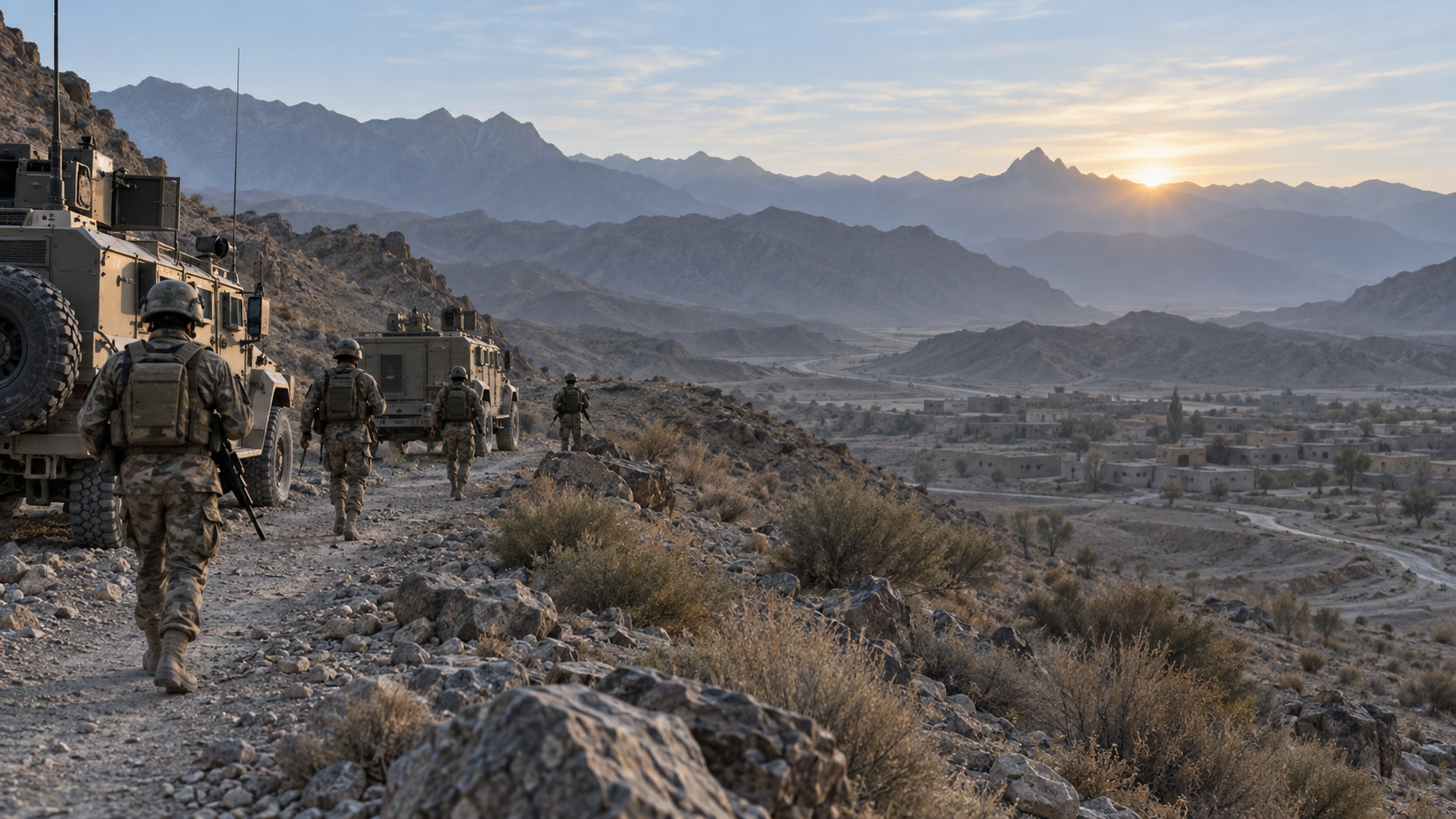
Iran has recently proposed a plan to reopen the vital Strait of Hormuz, a crucial waterway for global oil supply, yet this proposal was swiftly rejected by US President Donald Trump. The tension has escalated amidst ongoing geopolitical strife, particularly following the latest diplomatic engagements involving Qatar, which has emerged as a key mediator in these discussions.
The Hormuz Proposal
Iran’s Offer to the US
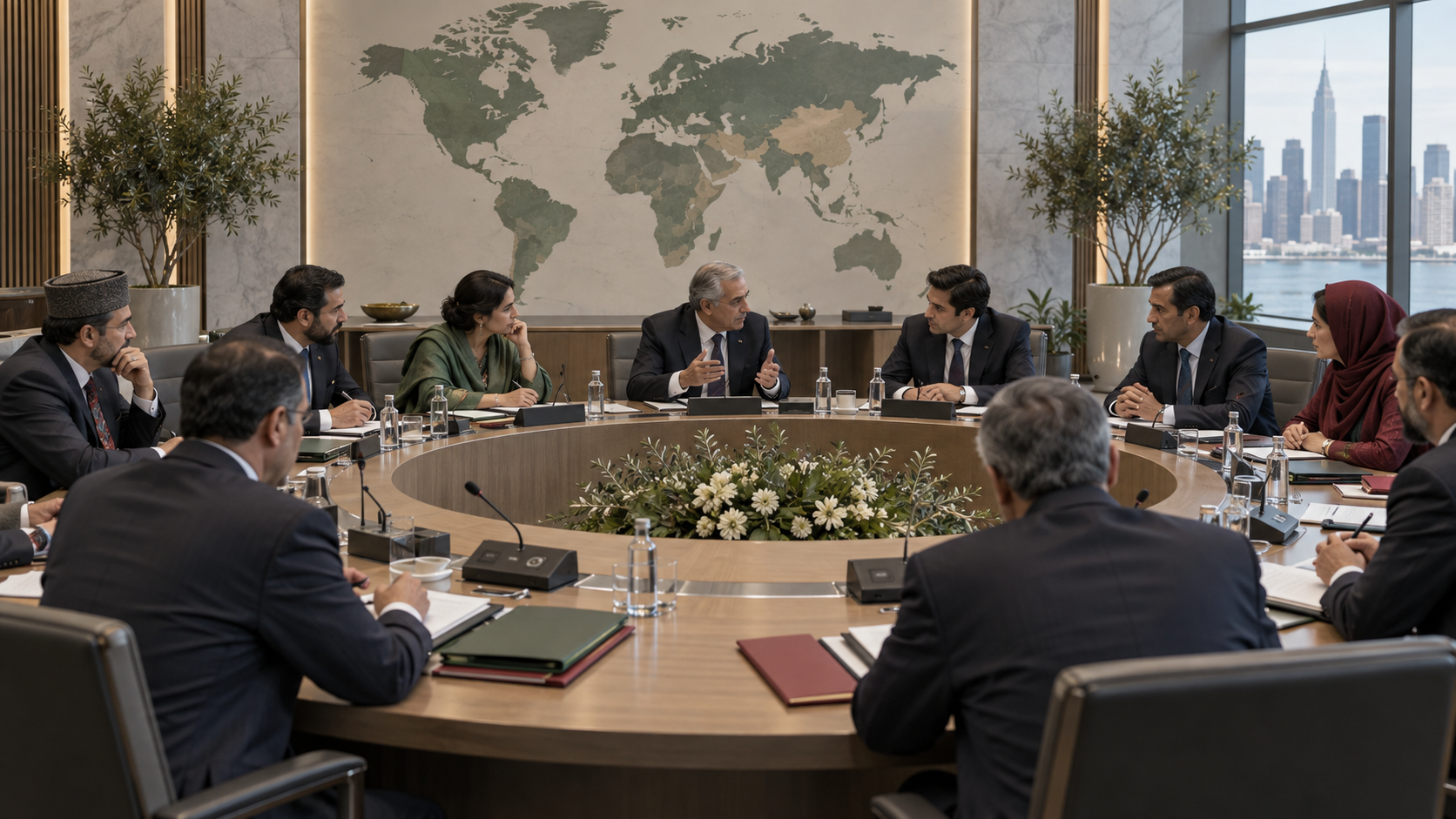
On Friday, Iran's Foreign Minister Abbas Araghchi detailed a seven-day plan aimed at restoring normal maritime passage through the strait. This approach, communicated through Qatar, stipulates that if specific conditions are met, the strait could be reopened within a week. “Iran has conveyed to the United States, through Qatar, a concrete seven-day plan. If the necessary conditions are met, the strait can be reopened,” Araghchi said at the United Nations gathering. He emphasized, “The choice now rests with the United States.”
Conditions Set by Iran
The proposal not only outlines plans for reopening the strait but also seeks a cessation of hostilities across the Middle East for seven days, including in Lebanon. Additional demands include the release of approximately $12 billion in frozen Iranian assets, the lifting of sanctions on Iranian oil, and an end to the US naval blockade imposed on Iran. This plan showcases Iran’s desire for a diplomatic resolution amid persistent tensions.
US Response and Reactions
Trump's Rejection and Skepticism
However, within hours of Araghchi's announcement, reports emerged from The Wall Street Journal indicating that Trump categorically rejected the proposal. The 80-year-old president expressed skepticism regarding Iran’s intentions, fearing that Tehran would not fulfill its commitments. Trump suggested that a renewed bombing campaign might become necessary, further escalating military actions in the region. “I see a renewed bombing campaign as likely,” reported sources close to the president.
Communications Through Social Media
In a provocative gesture, Trump also shared a post on his Truth Social platform showcasing a map of the Strait of Hormuz, labeled as “Trump Strait.” This move has raised eyebrows and highlighted the tensions between Iran and the US, complicating any potential future negotiations.
Broader Implications of the Proposal
Diplomatic Context
The ongoing diplomatic efforts are set against a backdrop of longstanding hostilities between the US and Iran, which have remained unresolved for nearly seven months. While the Memorandum of Understanding signed in June aimed to initiate peace talks, progress stalled after incidents in the strait involving Iranian military actions against commercial ships.
- Iran's insistence on approving ship routes in the Strait of Hormuz complicates maritime logistics.
- Hostilities in Yemen, exacerbated by Iranian influence, remain another point of contention.
Despite these challenges, the proposed negotiations highlight a flicker of hope for achieving peace. Iranian President Masoud Pezeshkian, in an interview with CBS, stated that recognizing the ceasefire would allow for the process to commence immediately should the US agree to Iran's terms.
In conclusion, as negotiations continue to unfold with Qatar mediating, the international community watches closely. The outcomes of these discussions will undoubtedly impact not only regional stability but also the delicate balance of global oil supply routes. Understanding the multifaceted nature of these negotiations is essential for grasping the complexities of US-Iran relations.
Source links
Comments
No approved comments yet.