China's AI Surge Amid Economic Struggles: A Contradictory Landscape
China's advances in artificial intelligence contrast sharply with its struggling economy, as highlighted during Xi Jinping's upcoming visit to the United States

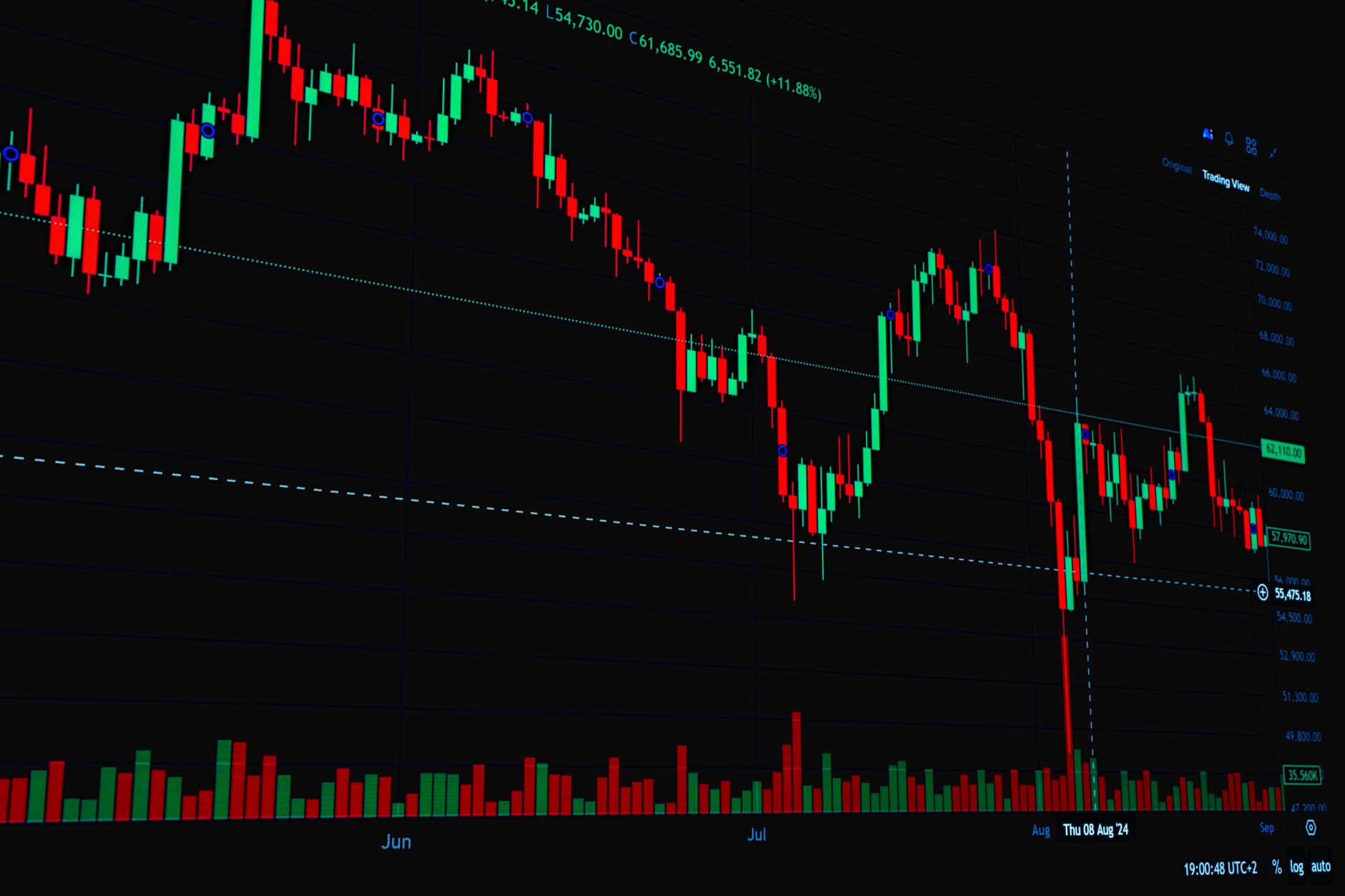
Image credit: Photo by Jakub Pabis on Pexels
Introduction
In recent years, China has made remarkable strides in artificial intelligence (AI), positioning itself as a leader in the technology sector. However, as President Xi Jinping prepares for a state visit to the United States this week, the juxtaposition between China's advancements in AI and the state of its economy is sharply highlighted. Currently, China's economy is in its worst shape in decades, raising questions about the sustainability and future of its technological growth amidst economic turmoil.
Key Developments in AI
China's commitment to AI development has been unwavering, with significant investments pouring into various sectors including robotics, data analysis, and machine learning. This initiative is part of China's broader strategy to embrace technology as a catalyst for growth and innovation. Many companies in China are leveraging AI to optimize production processes, enhance customer service through chatbots, and improve logistics systems.
As we analyze the progress, it's important to note that several Chinese tech giants have emerged as heavyweights in the global market. Companies like Alibaba, Tencent, and Baidu are not only driving technological advancements domestically but are also making strides to establish a presence internationally. These advancements are setting standards and benchmarks for what is possible in AI, both in terms of research and application.
Economic Struggles
Despite these technological marvels, China's economic landscape is plagued with challenges. The country faces sluggish growth, high unemployment rates, and a decrease in consumer spending, signaling a downturn that has not been witnessed for decades. Factors such as a recent real estate crisis and government regulatory policies have contributed to an environment of uncertainty.
The fading economic momentum raises concerns about the implications for companies invested heavily in AI. While technological advancements are being touted as the future, their feasibility hinges significantly on a robust economic foundation. Investors and analysts are increasingly wary, realizing that without a stable economy, the ambitious AI goals may falter or be deprioritized.
The Contrast
The stark contrast between AI advancements and economic decline serves as a critical point of discussion during Xi Jinping's visit to the U.S. While AI may be a beacon of hope for China’s future, economic realities pose significant risks to achieving long-term strategies. The ongoing challenges raise questions about how the Chinese government plans to reconcile these two diverging paths.
As discussions unfold, international partners will likely take a keen interest in how China plans to continue its AI evolution in the face of its economic difficulties. This can have far-reaching implications not only for China but also for the global technology landscape. Countries may look to China as a case study, considering the balance between innovation and economic stability.
Conclusion
China’s remarkable advancements in artificial intelligence stand out against a backdrop of economic challenges that the nation is currently grappling with. As President Xi Jinping's visit to the United States approaches, the discussion is set to focus on the ambitious AI trajectory versus the stark economic realities. The way China navigates these contrasting elements will be pivotal not only for its domestic policies but also for its international relations and global technological influence in the coming years.
Source links
Comments
No approved comments yet.