Your ‘Live’ World Cup Broadcast Is Not Really Live
Everyone is watching the goals after they happen, and some get them significantly faster.
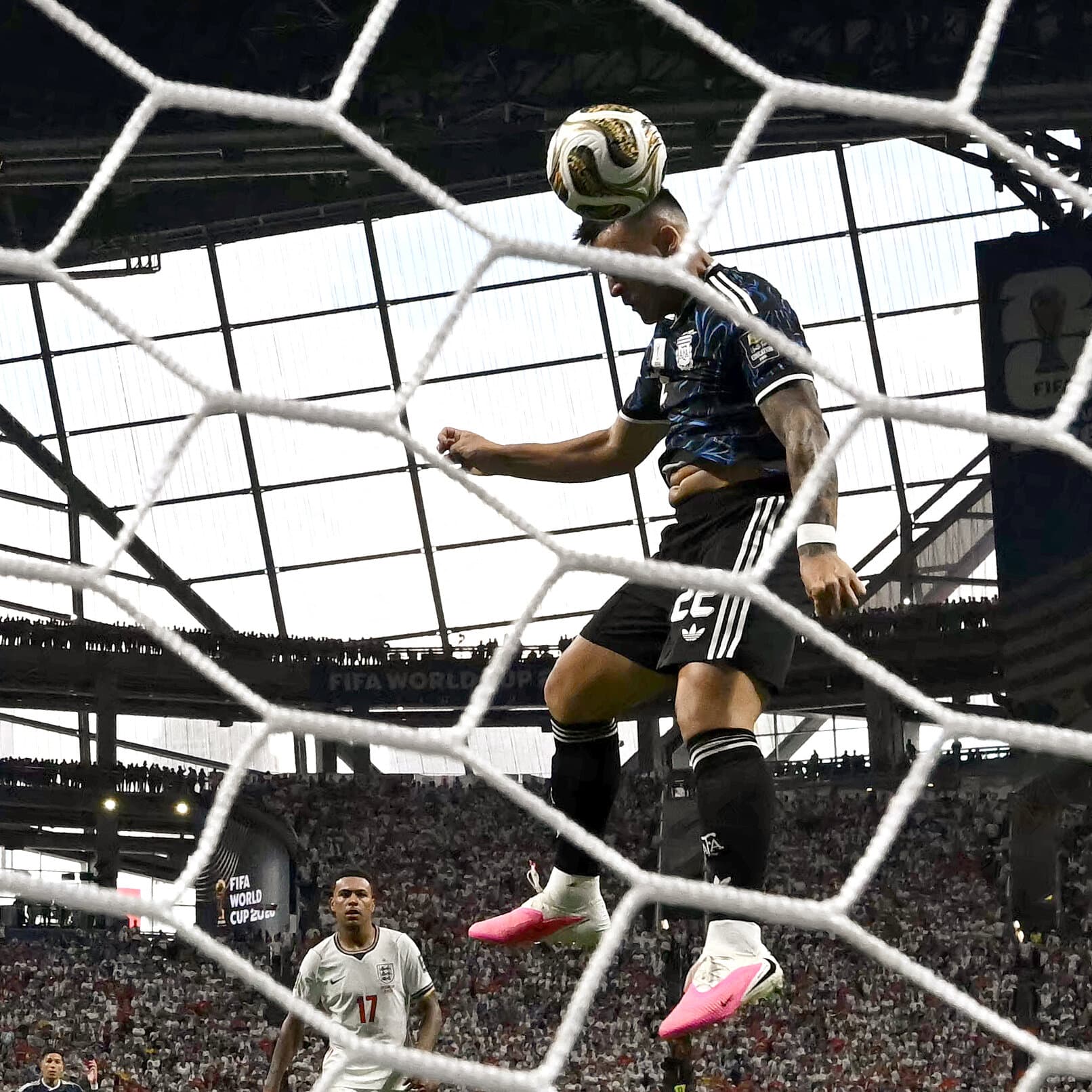
Broadcasting a World Cup match as “live” may not mean every viewer is seeing the action at the same moment, according to a New York Times Technology report about delays in television coverage.
The article, based on a monitored public feed, says that people watching the tournament are often seeing goals only after they have already happened elsewhere. It also notes that some viewers receive those moments significantly faster than others, highlighting how modern distribution systems can split the experience even when the same event is labeled live.
That gap can matter during one of the world’s most-watched sporting events, where the timing of a goal, a save or a penalty can change the way fans experience the match. For viewers following games on different platforms or through different providers, the delay may be enough to learn about a goal from another source before the image reaches the screen.
The report does not suggest that the broadcasts are falsely labeled in a legal sense, but it points to a familiar issue in television and streaming: live transmission often involves processing, encoding and delivery steps that can add seconds, or more, before a picture arrives in a home. In a fast-moving match, that lag can be noticeable.
The New York Times Technology report frames the issue around the World Cup, where millions of people may be watching the same match through different services, devices and networks. Some viewers may see a decisive moment almost immediately, while others remain several beats behind in what is supposed to be a shared live event.
For fans, that can create a strangely uneven experience. A neighbor’s cheer, a push notification or a social media alert may reveal the outcome before the broadcast does. In stadiums and living rooms alike, the result is a growing mismatch between the promise of live television and the reality of how the signal reaches audiences.
The report is based on a monitored public feed and is attributed to New York Times Technology.
Source: New York Times Technology - https://www.nytimes.com/2026/07/18/sports/soccer/world-cup-live-tv-delay.html