Why Iran is risking so much over the Strait of Hormuz
None of the choices facing Iran’s leaders offer a clear path to victory, as the conflict with the US continues.
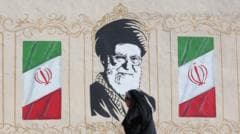
Iran is facing a perilous strategic dilemma as tensions with the United States continue to rise around the Strait of Hormuz, a vital shipping route for global energy supplies. According to a BBC World report, none of the options available to Iran’s leaders appears to offer a clear route to victory, leaving Tehran exposed to heavy risks no matter how it responds.
The Strait of Hormuz is one of the world’s most important maritime chokepoints, and pressure there can quickly ripple beyond the region. Any move that disrupts traffic through the passage risks economic and military consequences far beyond Iran’s borders. But stepping back also carries costs for a government that has often relied on projecting resolve in moments of confrontation.
The BBC report says the conflict with the US has left Iran weighing choices that are all difficult. If Tehran escalates, it could trigger a stronger American response and deepen the confrontation. If it holds back, it may appear weak at a moment when it is expected to defend its interests and show strength. That tension lies at the center of the current crisis.
The challenge for Iran is not only military but political. Leaders in Tehran must balance deterrence, domestic expectations and the danger of miscalculation. In a high-pressure standoff, even a limited incident in or near the Strait could quickly intensify. The BBC’s assessment suggests that Iranian decision-makers are operating without a clear winning option, with each path carrying substantial downside.
The Strait of Hormuz has long been a flashpoint because of its significance to international trade and energy flows. That makes the stakes especially high in any confrontation involving Iran and the US. Disruption in the area would be felt well beyond the immediate parties, adding urgency to a situation already defined by uncertainty.
This article is based on a monitored public feed from BBC World and summarizes the available report metadata. Source attribution is included below.
Source: BBC World - https://www.bbc.co.uk/news/articles/cwymx3eevpjo?at_medium=RSS&at_campaign=rss