'They confuse arrogance with pride': Argentina grapples with FIFA World Cup villain label
Critics blasted Argentina for dirty tactics and poor sportsmanship during their 1-0 loss to Spain, cementing the country’s status as World Cup villain that grew throughout the tournament. But Argentines argue they are just passionate and misunderstood. “I...
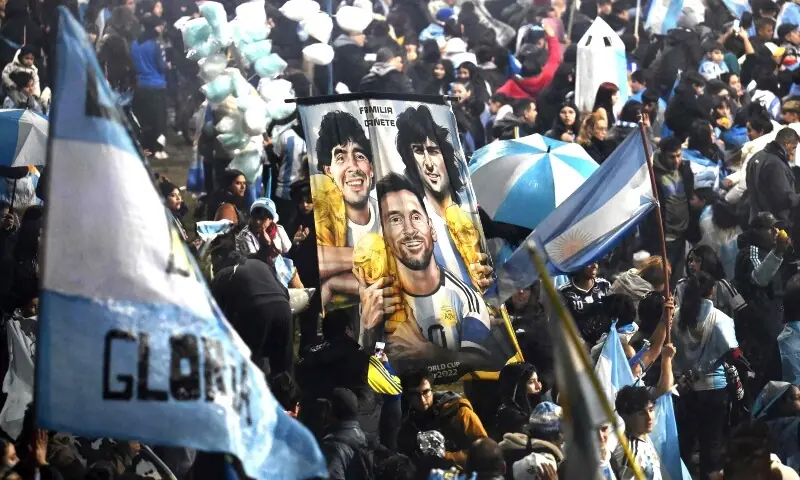
Argentina is confronting an unflattering new label after its World Cup run ended in a 1-0 loss to Spain, with critics accusing the team of dirty play and poor sportsmanship while many Argentines insist the world is mistaking intensity for arrogance.
The backlash intensified after the final, which featured repeated fouls, on-field clashes and Argentina’s players turning their backs as Spain lifted the trophy. International commentary was sharply critical. The New York Times described the performance as “tetchy, petulant and distasteful,” while former Germany player Thomas Hitzlsperger called the side “disgusting sportsmen” on X. British television personality Piers Morgan also accused Argentina of rough play against Spanish opponents.
At the same time, many Argentines saw the criticism as part of a familiar pattern. Near Ezeiza Airport in Buenos Aires, where fans gathered to welcome the team home on Monday night, construction worker Maximiliano Heredia said the country has long been singled out but remains committed to giving everything on the pitch. “We’ve always been criticised, we’re used to it. But we always give it our all,” he said.
In a home north of Buenos Aires, lawyer Leo Simone offered a different defense of the team and the broader national temperament. “I think we deserve some credit for not being very well-liked, because of this tendency to be arrogant and look down on most people from a pedestal,” he said. His wife added, “They confuse arrogance with pride.”
That sense of defiance has been echoed online, where some Argentines treated the criticism almost as a badge of honour. Journalist Pedro Rosemblat wrote on Instagram that the country’s “irreverence” and rebelliousness irritate outsiders, but that such attitudes only deepen local pride.
Sports journalist Ezequiel Fernandez Moores told AFP that some complaints were fair, particularly the team’s conduct after the final. But he also said Argentina’s football culture, with its mix of provocation, mockery and boasting, does not always translate well beyond the country. “We can’t expect the world to understand us, our way of being, feeling, and expressing ourselves,” he said.
The discussion around Argentina has not been limited to sportsmanship. Players and fans have also faced racism accusations, including a past chant mocking some French players as not really French. The feed summary also cited examples of racist abuse and gestures involving Brazilian fans and black players at club level. During this World Cup, FIFA condemned racism after an Argentine supporter insulted a black US influencer during a livestream.
Some commentators urged caution about extending football-related incidents to the whole country. Sociologist Ivan Schuliaquer of the National University of San Martin said racism in football is real and should not be denied, but argued that some of the harsher labels come from countries that have not fully confronted their own histories.
The report is based on a monitored public feed and reflects reactions from fans, journalists and public figures as Argentina faces renewed scrutiny over its image on the world stage.
Source: Dawn Sport - https://www.dawn.com/news/2017222/they-confuse-arrogance-with-pride-argentina-grapples-with-fifa-world-cup-villain-label