Setting the record straight on Balochistan's 'accession' and charting a path for its future
One claim that resurfaces periodically in public debate over Balochistan’s accession to Pakistan is that the Instrument of Accession of the Khanate of Kalat is evidence of Balochistan’s accession as a whole. This conflates a single princely state with the...
A recent Dawn article argues that recurring claims about Balochistan’s “accession” to Pakistan rest on a misunderstanding of the region’s pre-1947 political structure and should not be read as proof that the entire province acceded as one unit.
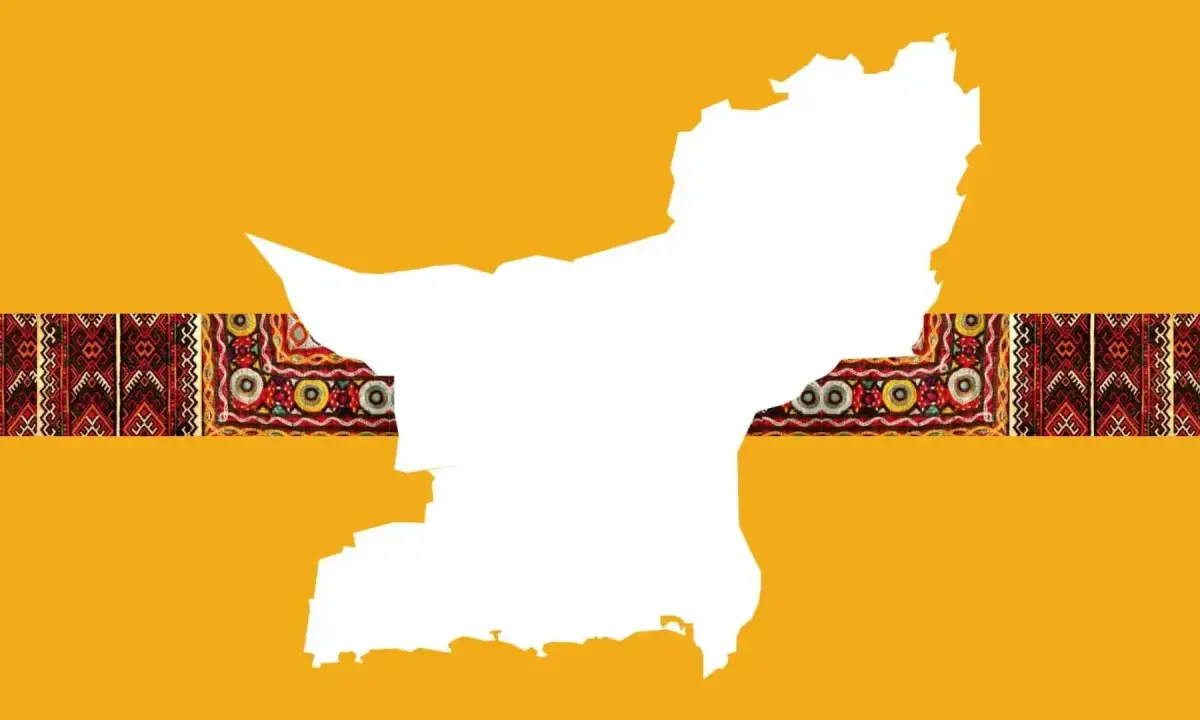
According to the piece, the Instrument of Accession signed by Khan Ahmed Yar Khan on March 27, 1948 applied to the Khanate of Kalat, not to all of Balochistan. The article says this distinction matters because the area now known as Balochistan was, before Partition, made up of several separate political entities rather than a single province. It describes the region as a mosaic that included the Khanate of Kalat, the princely states of Makran, Kharan and Lasbela, as well as British-administered districts.
The report says the rulers of Makran, Kharan and Lasbela acceded to Pakistan around March 17, 1948, while the Khan of Kalat’s accession was accepted by then-Governor-General Muhammad Ali Jinnah and became effective on March 31, 1948. It also notes that Gwadar was not part of any accession arrangement, but was later acquired by Pakistan from Oman in 1958 through purchase and handed over later that year.
The article places Balochistan’s current provincial shape in a constitutional framework, saying the unified province came together through later state-building steps, including the Balochistan States Union, the One Unit scheme and finally the 1973 Constitution. On that basis, it argues that Parliament has the authority to consider constitutional reform, boundary changes or administrative restructuring under Article 239, subject to the required legislative process.
The piece also makes a case for smaller administrative units in Balochistan, saying the province’s size, geography and population distribution make governance difficult from a centralised model. It argues that splitting the province into smaller units could improve service delivery, local representation and security, while weakening separatist narratives by addressing grievances more directly. The article says such changes could also increase Balochistan’s representation in the Senate.
Gwadar is discussed separately as a strategic asset, with the article suggesting that because it was acquired by purchase rather than accession, Parliament could consider restoring it to federal control where constitutionally appropriate. It presents this as part of a broader debate over how best to manage development, revenue-sharing and national security interests in the region.
The report, based on a monitored public feed from Dawn Home, frames the issue as both a historical correction and a policy argument, saying constitutional engineering rather than myth should guide thinking about Balochistan’s future.
Source: Dawn Home - https://www.dawn.com/news/2017250/setting-the-record-straight-on-balochistans-accession-and-charting-a-path-for-its-future