Jobs, benefits and taxes: What Andy Burnham means for your finances
The person in charge of the country will change but the financial challenges remain the same.
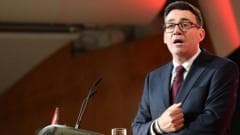
Andy Burnham’s name is being linked with a future change in national leadership, but the financial pressures facing households would not disappear with a new person in charge, according to a BBC Business report based on a monitored public feed.
The report frames the issue around a familiar set of concerns: jobs, benefits and taxes. While political leadership can shift, the basic realities for personal finances often move more slowly. For workers, that means the outlook is likely to continue being shaped by pay, employment security and the wider strength of the labour market. For families relying on benefits, the key question is whether support keeps pace with living costs. And for taxpayers, any change in government brings renewed attention to how public services are funded.
The BBC Business summary does not set out a detailed policy programme from Burnham, but it points to the broader financial challenge that would face any incoming national leader. Even if the political tone changes, households still have to manage wages, tax bills, benefit entitlement and everyday costs. That makes the transition less about instant relief and more about how any new administration chooses to balance competing demands.
For jobseekers and employees, the headline concern is whether a change at the top would improve confidence in the economy and support hiring. For people already in work, the focus is often on whether income growth is enough to keep up with inflation and rising bills. If wages lag behind costs, households can feel no better off even when employment remains stable.
Benefits are another part of the picture. They act as a safety net for people with low incomes, but their value depends on how they are set and whether they rise in line with spending pressures. If support falls behind, those already under strain may find it harder to cover essentials. If it rises, the question becomes how to pay for it.
Taxes sit at the centre of that trade-off. Any government considering stronger support for workers or benefit recipients must decide whether to fund it through higher borrowing, spending cuts elsewhere or higher taxes. That is why leadership changes often prompt scrutiny not just of promises, but of how those promises would affect take-home pay and household budgets.
The BBC Business report, drawn from a monitored public feed, suggests that the personalities may change more quickly than the financial fundamentals. For many people, the practical question is not simply who leads, but whether the next period of government can make work pay, protect the most vulnerable and avoid adding further pressure to already stretched finances.
Source attribution: BBC Business reported the issue in a feed summary monitored by Novexa News.
Source: BBC Business - https://www.bbc.co.uk/news/articles/crkvj0ngzexo?at_medium=RSS&at_campaign=rss