Frozen Award
KP’S petition before the Federal Constitutional Court , seeking Rs964bn as the province’s claimed share of tax revenues since the Fata merger in 2018, may well be a political move by the PTI-led government. Still, it raises larger constitutional and fiscal...
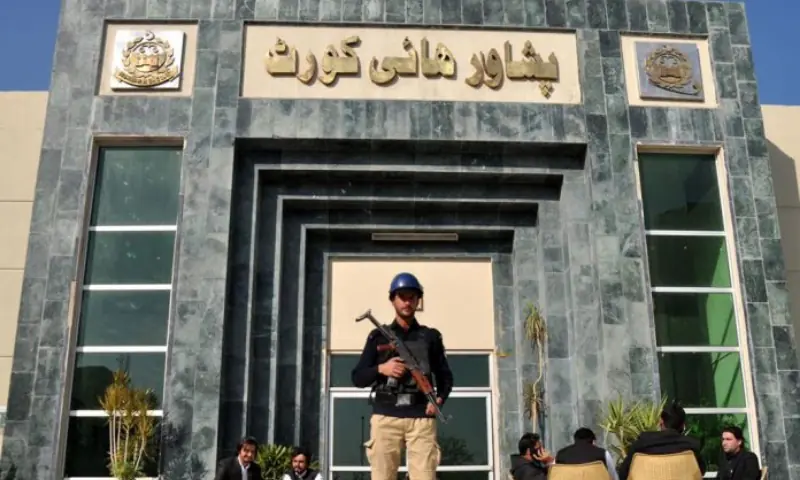
Pakistan’s fiscal federalism has come under renewed scrutiny after Khyber Pakhtunkhwa filed a petition before the Federal Constitutional Court seeking Rs964 billion as its claimed share of tax revenues since the merger of the former Federally Administered Tribal Areas in 2018, according to a monitored public feed citing Dawn.
The petition, by the PTI-led provincial government, may be seen in part as a political move, but it also highlights deeper constitutional and financial tensions in the country’s federal structure. At the centre of the debate is whether fiscal arrangements can remain effectively unchanged even after major shifts in a province’s population, territory and administrative responsibilities.
The Dawn report notes that KP argues the Fata merger brought new obligations for the province, yet its share from the federal tax pool has not changed. That raises questions about how provincial entitlements are determined under Article 160 of the Constitution and whether the existing National Finance Commission award, based on circumstances more than 15 years old, can continue indefinitely without revision.
The petition also brings attention to the role of the president in modifying an NFC award. The constitutional issue, as framed in the report, is whether that power is purely discretionary or whether it becomes a duty when major changes in provincial demographics and boundaries occur.
Beyond KP’s immediate claim, the case has reopened a wider discussion about the distribution of resources between the centre and the provinces. The current budgetary setup has effectively kept provincial shares at last year’s level for the next three years in order to support key federal spending, according to the feed summary. That arrangement has prompted fresh questions about provincial autonomy and the extent to which fiscal decisions made under IMF-related pressure can limit constitutional entitlements.
The issue is especially sensitive amid signs that some quarters want to revisit or dilute parts of the 18th Amendment. Since the NFC award and the 18th Amendment are closely linked to the balance of power in Pakistan’s federation, any move to recentralise authority would need to be assessed carefully against constitutional protections for the provinces.
At the same time, the report suggests KP may have chosen the wrong forum first. It argues that matters of this kind are essentially political and should initially be taken to the Council of Common Interests, especially if the NFC process is stuck in deadlock. Courts can interpret constitutional provisions, the summary says, but they cannot replace cooperative federal decision-making.
The call, therefore, is for the centre to convene the CCI so the federation and all provinces can discuss KP’s claims and broader questions about fiscal rights, provincial autonomy and the future shape of Pakistan’s financial constitution.
This article is based on a monitored public feed and attributes the underlying report to Dawn. Source: Dawn Home - https://www.dawn.com/news/2017458/frozen-award