5 questions that continue to linger after the FIFA World Cup
The curtain has fallen on the 2026 FIFA World Cup, the grandest and most expansive edition yet, hosted across the United States, Canada and Mexico. Spain emerged triumphant in a tense final against Argentina, etching their name on the trophy in a display of...
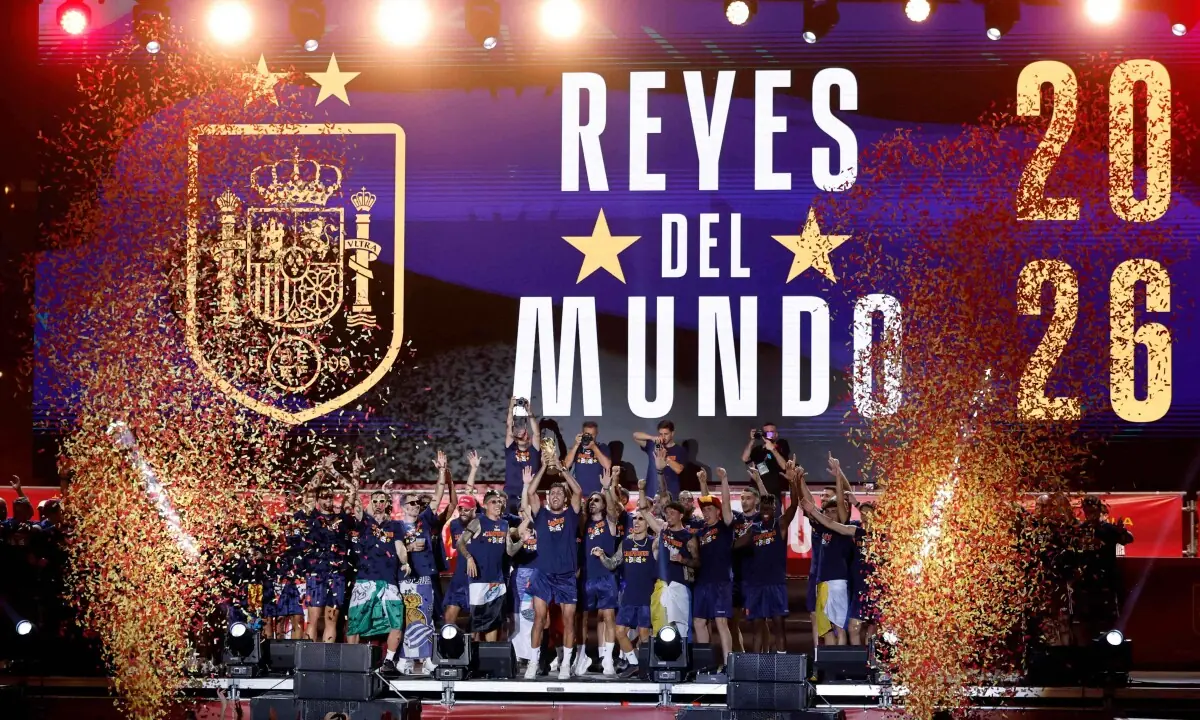
The 2026 FIFA World Cup ended with Spain lifting the trophy after a tense 1-0 extra-time win over Argentina, but the tournament has left behind a set of awkward questions that go well beyond the final scoreline, according to Dawn Sport.
As the dust settles on football’s biggest event, the debate has shifted from goals and celebrations to governance, technology, money and the growing influence of politics. The World Cup was staged across the United States, Canada and Mexico in its largest edition yet, but its scale also appears to have magnified concerns that have dogged the sport for years.
One of the biggest flashpoints involved the question of political interference. Dawn Sport points to the controversy surrounding US forward Folarin Balogun, whose red card and expected suspension were later overturned after what the report describes as a call from US President Donald Trump to FIFA president Gianni Infantino. The episode drew criticism from European football officials and raised fresh doubts about how insulated FIFA’s disciplinary processes are from outside pressure.
The report also argues that VAR remained a source of confusion rather than clarity. While the technology was designed to reduce officiating errors, many of the tournament’s decisions still sparked disagreement, especially in close calls involving goals and penalties. In the final, Spain’s apparent opening goal by Nico Williams was disallowed by the referee, prompting renewed debate over whether VAR should have been used more decisively. Even when the system did not intervene, it remained central to the conversation.
Commercialisation was another concern. Ticket prices for the final reportedly reached levels that put many ordinary fans out of the stadiums. Dawn Sport says the tournament’s atmosphere was also shaped by logistical challenges, extreme heat and an increasingly commercial presentation, including a halftime show during the final that gave the event a more Americanised feel. For critics, that reinforced the sense that the World Cup is drifting further from the supporters who give it its meaning.
The expanded 48-team format, featuring 104 matches, also divided opinion. While it gave more countries a chance to compete on the sport’s biggest stage, it also prompted fears that the tournament’s intensity and quality could be diluted. UEFA president Aleksander Ceferin had already questioned the format, and the report says the added travel and strain on infrastructure brought new practical and environmental costs.
Underlying all of these issues is a broader concern about trust in FIFA’s leadership and decision-making. Dawn Sport notes that Gianni Infantino’s tenure has brought commercial growth and a wider global footprint, but also growing scrutiny over power concentration, transparency and governance.
The article is based on a monitored public feed and reflects the themes highlighted by Dawn Sport after the tournament. Spain’s title, Argentina’s failed defense and the football on display may define the sporting memory of the event, but the unanswered questions could shape the next chapter of the game just as much.
Source: Dawn Sport - https://www.dawn.com/news/2017229/5-questions-that-continue-to-linger-after-the-fifa-world-cup