3 Myths Fueling Anti-Immigrant Sentiment in South Africa
As the nation convulses with protests and violence, data and research suggest that some of the biggest arguments against foreigners don’t stand up against the facts.
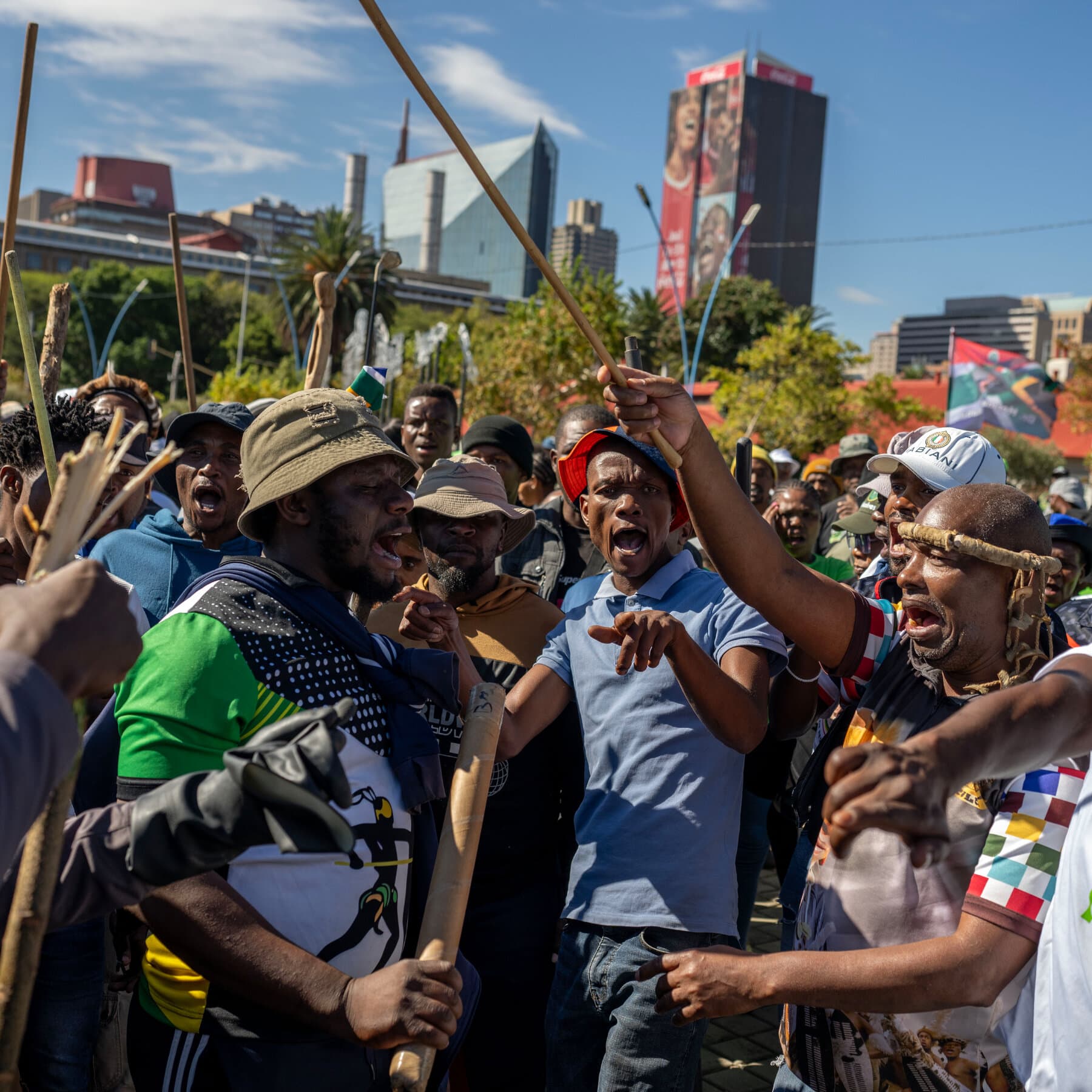
Anti-immigrant anger in South Africa is being driven in part by claims that do not hold up well against available data and research, according to a New York Times World report published July 21, 2026.
The report comes as the country faces protests and episodes of violence tied to tensions over immigration. In that climate, three common arguments against foreigners have gained traction, but the evidence cited in the article suggests those claims are far less solid than their critics assume.
The first myth is that immigrants are the main cause of South Africa’s economic distress. The report says the available facts point instead to broader structural problems, rather than foreigners alone, as the explanation for hardship and frustration. That distinction matters because it shifts attention away from a simple scapegoat and toward deeper social and economic pressures.
A second claim is that immigrants are overwhelming the country’s labor market and taking jobs from South Africans on a large scale. The article says data and research do not support that sweeping conclusion. While competition for work is real in a country with high levels of unemployment, the report indicates that blaming immigrants for joblessness does not match the evidence presented.
The third argument is that foreigners are disproportionately responsible for crime and instability. The report says this belief is also not borne out by the facts cited in the coverage. Public debate around crime often becomes emotionally charged, but the article describes a gap between perception and documented reality.
The New York Times World report frames these myths as central to the way anti-immigrant sentiment has spread during a period of unrest. By challenging them, the article suggests that political rhetoric and public fears may be doing more to shape the debate than verified information.
This article is based on a monitored public feed and summarizes the available report details without adding unverified claims.
Source: New York Times World - https://www.nytimes.com/2026/07/21/world/africa/south-africa-immigration-protests-explainer.html